The Future of Air Quality Control: Trends and Predictions
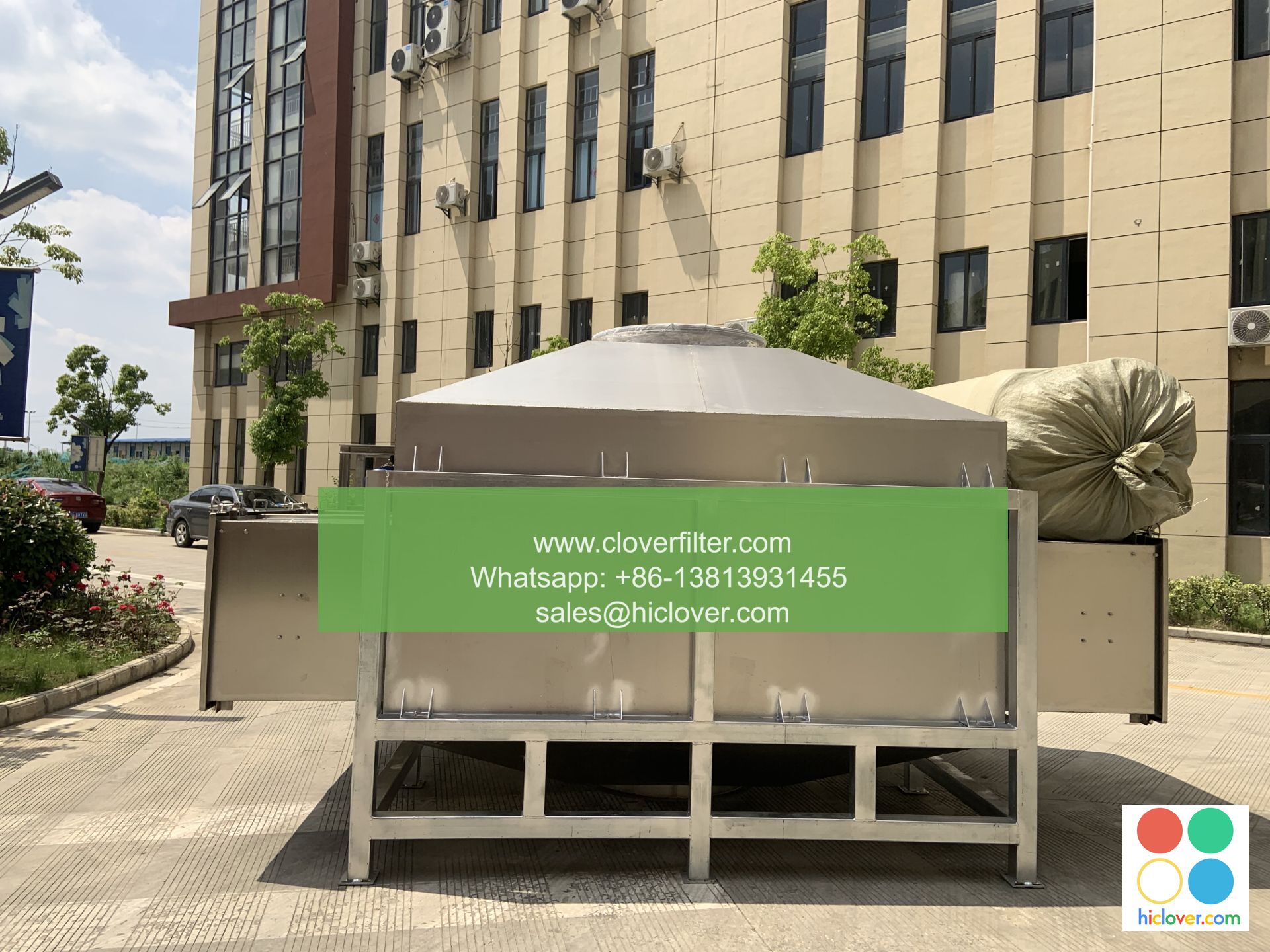
As the world continues to urbanize and industrialize, air pollution control has become a critical concern for governments, industries, and individuals alike. The need for effective air quality management is more pressing than ever, and innovative air pollution solutions are being developed to address this challenge. In this article, we will explore the future of air quality control, highlighting various application areas and emerging trends that are shaping the industry.
Increasing Adoption of IoT-based Air Quality Monitoring
The use of Internet of Things (IoT) technology is revolutionizing the field of air quality monitoring. IoT-based air quality sensors are being increasingly adopted to monitor and track air pollution levels in real-time, enabling data-driven decision making and targeted pollution control measures. This trend is expected to continue, with predictive analytics and machine learning algorithms being used to forecast air quality and optimize pollution reduction strategies.
Sustainable Air Pollution Control Technologies
The development of sustainable air pollution control technologies is a key area of focus for the industry. Renewable energy-based air pollution control systems, such as solar-powered air purifiers and wind-powered ventilation systems, are gaining popularity. Additionally, biotechnology-based air pollution control solutions, such as bioreactors and phytoremediation systems, are being explored for their potential to reduce air pollution and promote sustainable development.
Electrostatic Precipitators and Fabric Filters: Emerging Trends in Particulate Matter Control
Electrostatic precipitators and fabric filters are two emerging trends in particulate matter control. These air pollution control technologies are designed to capture particulate matter and reduce emissions from industrial sources. Electrostatic precipitators use electrostatic charges to attract and capture particulate matter, while fabric filters use porous fabrics to filter out particulate matter. Both of these technologies are expected to play a critical role in reducing air pollution and improving air quality.

Indoor Air Quality Control: A Growing Concern
Indoor air quality control is a growing concern, particularly in urban areas where indoor air pollution can be 2-5 times higher than outdoor air pollution. Indoor air quality monitoring and control systems are being developed to detect and reduce indoor air pollutants, such as volatile organic compounds (VOCs) and particulate matter. Indoor air quality control technologies, such as air purifiers and ventilation systems, are expected to become increasingly important in reducing indoor air pollution and promoting public health.
Air Quality Control in Transportation and Logistics
Air quality control in transportation and logistics is a critical area of focus, particularly in urban areas where vehicle emissions can contribute significantly to air pollution. Electric vehicles and alternative fuels are being promoted as cleaner alternatives to traditional fossil fuels. Additionally, air quality control measures, such as emission control technologies and vehicle maintenance programs, are being implemented to reduce emissions and improve air quality.
Conclusion
The future of air quality control is promising, with emerging trends and innovative technologies being developed to address air pollution and promote sustainable development. IoT-based air quality monitoring, sustainable air pollution control technologies, and electrostatic precipitators and fabric filters are just a few examples of the many application areas that are shaping the industry. As the world continues to urbanize and industrialize, it is essential that we prioritize air quality control and develop effective solutions to reduce air pollution and promote public health.
It looks like you’re ready to start a conversation, but you haven’t given me a specific topic or question to work with. I can provide some options to get us started:
- Trivia: I can generate a trivia question for you on a wide range of subjects.
- Storytelling: I can start telling a story, and you can take over at any point to continue it.
- Conversation Starter: I can give you a prompt or a question to discuss, such as a current event, a thought-provoking question, or a fun hypothetical scenario.
- Learning: If you’re interested in learning something new, I can suggest a topic or explain a concept in a simple way.
- Game: We can play a text-based game, such as Hangman, 20 Questions, or Word Chain.
Which one of these options sounds interesting to you, or do you have something else in mind?
