The Future of Air Quality: Insights from Leading Experts at the Annual Air Filter Symposium
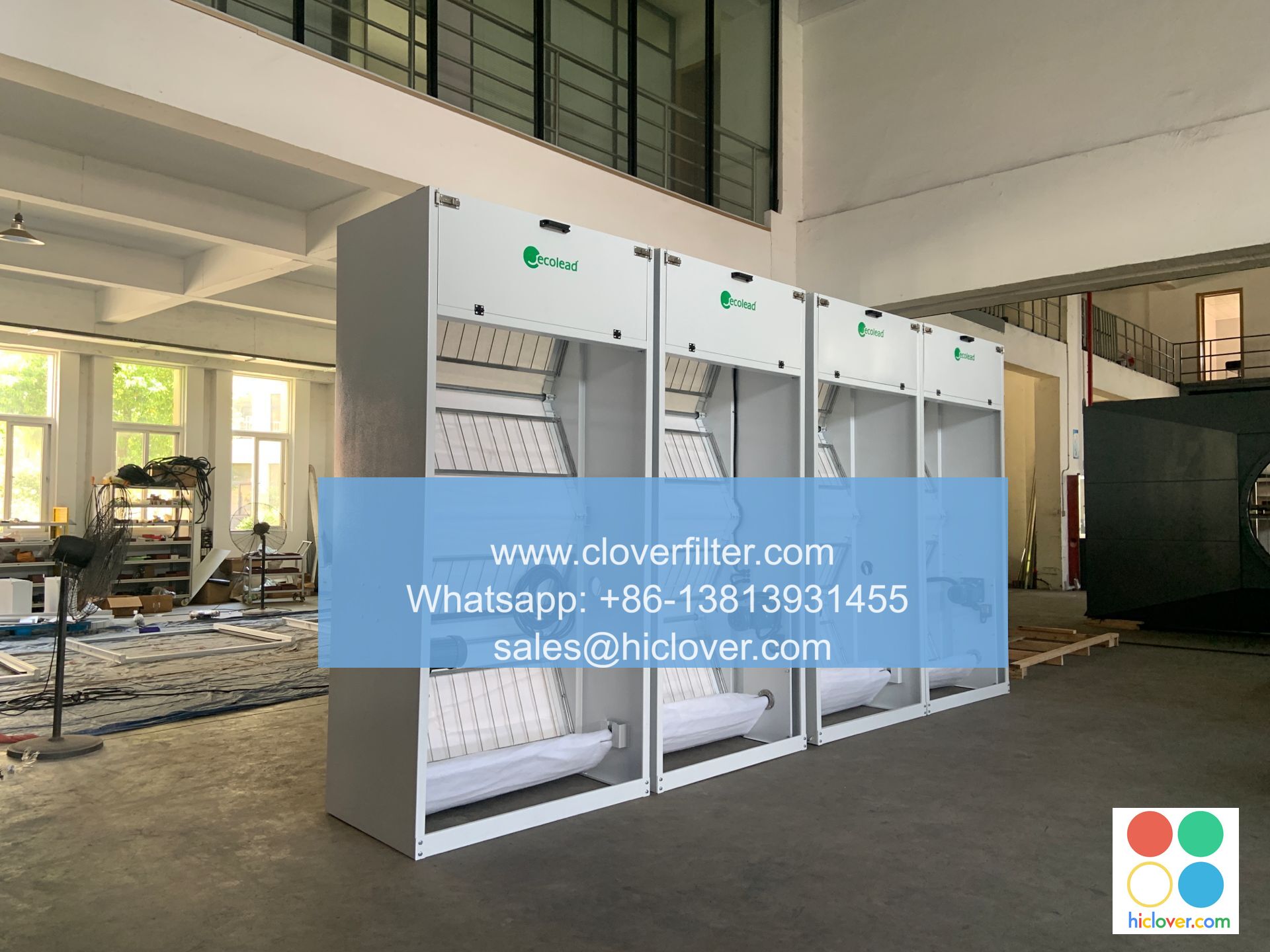
The Annual Air Filter Symposium gathered a plethora of thought leaders and industry professionals dedicated to enhancing air quality across various application areas. As urban environments continue to grapple with pollution, climate change, and industrial emissions, the insights shared at this symposium illuminate the path toward cleaner air for all.
Significance of Air Quality in Today’s World

Air quality remains a critical issue that affects health, sustainability, and climate resilience. Experts at the symposium emphasized that improving air quality is not just about filtering pollutants; it’s about fostering healthier communities, enhancing productivity, and ultimately, ensuring a better quality of life.
Technological Innovations in Air Filtration
One of the standout themes of the symposium was the highlight of emerging technologies in air filtration. Innovations in nanotechnology, for instance, are leading to the development of more efficient filters capable of trapping smaller particulate matter. Leading air quality engineer, Dr. Emily Zhang, presented her findings on advanced filtration systems that integrate smart sensors to monitor air pollution levels in real-time, allowing for adaptive responses to changing conditions.
Government Regulations and Standards
As air quality becomes increasingly politicized, regulatory frameworks are evolving. David Rosen, a policy advisor, discussed how new legislation is reshaping air quality standards globally. Governments are implementing stricter emission controls and promoting the use of air filtration systems in residential and commercial settings. This regulatory push is crucial for achieving long-term sustainability goals and ensuring that communities benefit from cleaner air.

Application Areas of Air Filtration Technology
Indoor Air Quality
With many people spending up to 90% of their time indoors, improving indoor air quality has become a top priority. Participants discussed various residential and commercial applications for air filtration technology, including HVAC systems, air purifiers, and industrial air handling systems. High-efficiency particulate air (HEPA) filters remain a popular choice, while new technologies like photocatalytic oxidation are emerging.
Healthcare Facilities
Air quality is particularly critical in healthcare settings. Experts reviewed how advanced filtration systems in hospitals can significantly reduce the spread of airborne diseases. Dr. Sarah Hudson, a pulmonologist, highlighted case studies where hospitals implementing state-of-the-art air filtration systems saw a notable decline in hospital-acquired infections.
Transportation and Urban Planning
The transportation sector also plays a vital role in air quality. Urban planners are increasingly considering air filtration methods in public transport systems and urban infrastructure. Innovations in electric vehicles and the integration of air quality monitoring systems in urban planning serve as crucial steps toward sustainable cities.
Community Engagement and Education
Experts also underscored the importance of community awareness and education regarding air quality. Many symposium attendees advocated for programs aimed at educating the public about the sources of air pollution and the importance of air quality. Engaging communities in monitoring their own air quality through citizen science initiatives empowers them to take action.
Looking Ahead: Challenges and Opportunities
While there are significant challenges ahead in the fight for clean air, the symposium concluded on a hopeful note. Collaboration among scientists, policymakers, businesses, and the public is essential to drive innovation and develop comprehensive strategies to improve air quality. As technology continues to evolve, the collective effort will pave the way for a healthier future.
Conclusion
The Annual Air Filter Symposium served as a critical platform for exchanging knowledge and ideas. With a focus on technological advancements, regulatory frameworks, application areas, and community engagement, the insights gathered suggest that the future of air quality holds immense potential. Together, we can transform air quality from a concern into a benchmark of progress.
It seems like your request is incomplete. Could you please provide more details or clarify what kind of prompt you’re looking for? Whether it’s for writing, art, discussion topics, or something else, I’d be happy to help!
