The Future of Baggage Handling: An Overview of Automatic Roll Filters
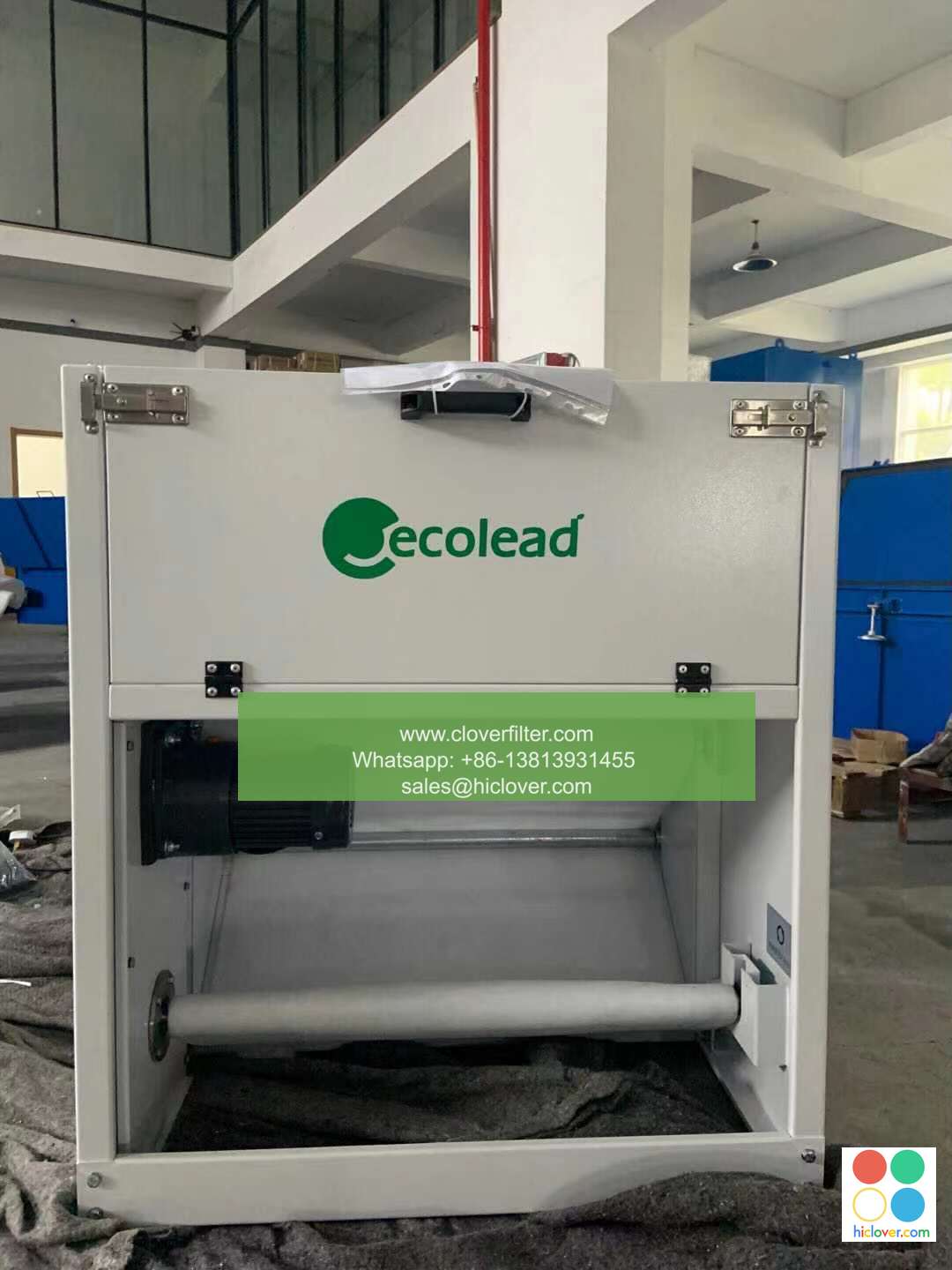
As the travel industry rebounds and passenger numbers rise, the efficiency of baggage handling systems is increasingly becoming a priority for airports and airlines worldwide. One of the most promising innovations in this sector is the automatic roll filter. This technology promises to transform the way baggage is processed, ensuring a seamless experience for travelers while enhancing security and operational efficiency.
Understanding Automatic Roll Filters
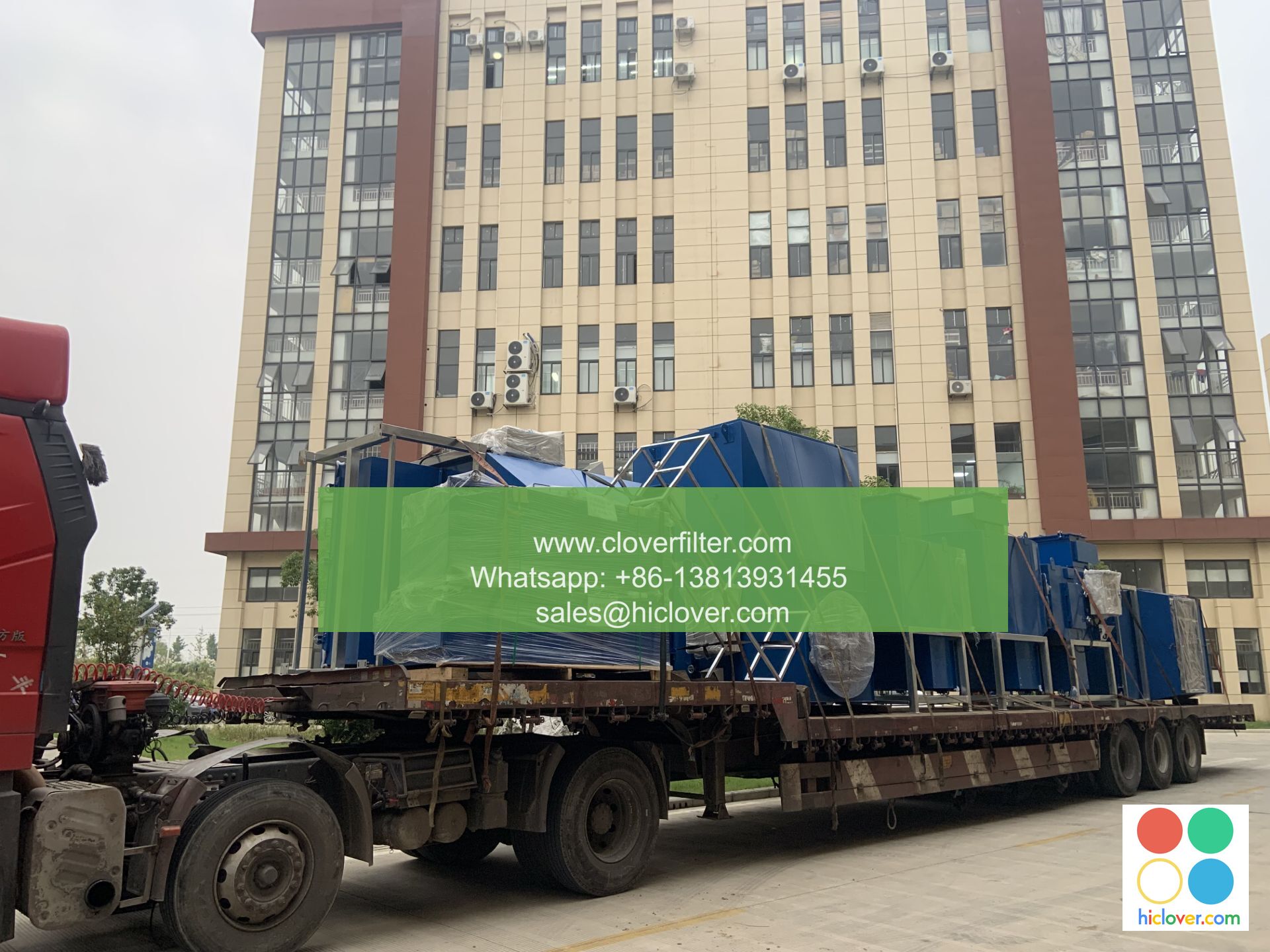
Automatic roll filters are specialized equipment designed to optimize the baggage handling process at airports. They work by using a series of rolled surfaces and advanced sensors to automatically sort and route luggage based on specific criteria, such as size, weight, and destination. This intelligent sorting mechanism allows for quicker processing times and reduces the risk of lost or misrouted luggage.
Key Features of Automatic Roll Filters
- Increased Efficiency: By automating the sorting process, roll filters can significantly speed up the handling time, reducing the wait period for passengers.
- Enhanced Security: These systems can be integrated with advanced scanning technologies, allowing for real-time monitoring of luggage and ensuring compliance with security regulations.
- Space Optimization: Automatic roll filters are designed to be compact, maximizing the use of available space in baggage handling areas.
Applications of Automatic Roll Filters
The versatility of automatic roll filters allows them to be employed in various areas of baggage handling, making them a valuable asset for airports and logistics centers. Some key application areas include:
1. Airports
Airports are the primary users of automatic roll filters. By implementing these systems, they can streamline baggage check-in and retrieval processes, thereby improving passenger flow and enhancing overall customer satisfaction.
2. Logistics Centers
Automatic roll filters are also making their way into logistics and distribution centers, where they facilitate the handling of packages and freight by sorting and routing items based on their delivery specifications.
3. Retail and E-commerce
With the expansion of e-commerce, retail businesses are adopting automatic roll filters to manage returns and shipments more effectively. These systems help maintain efficiency in handling consumer goods, especially during peak shopping seasons.
Challenges and Considerations
While the potential benefits of automatic roll filters are considerable, there are challenges to address as well. Implementation costs can be substantial, and proper training for personnel is essential to fully utilize the system’s capabilities. Additionally, integration with existing baggage handling systems must be carefully planned to avoid disruptions during the transition phase.
The Road Ahead
The future of baggage handling is clearly leaning towards automation, with automatic roll filters leading the way. As technology continues to evolve, we can expect further enhancements in efficiency, security, and customer experience. Airports and logistics companies that invest in these innovative systems will not only stay competitive but also pave the way for a new standard in the travel and transportation sectors.
Conclusion
In summary, automatic roll filters represent a significant advancement in the realm of baggage handling. Their ability to streamline processes, improve security, and maximize space makes them a fundamental component of the future of air travel and logistics operations. With continuous improvements and adaptations, these systems are set to revolutionize how we think about managing luggage and packages, ushering in a new era of efficiency in the industry.
It looks like you entered “Prompt” without any context or additional information. Could you please provide more details or clarify what you would like help with? Whether it’s a writing prompt, a question, or something else, I’m here to assist!
