The Future of Battery Storage: Innovations in Ventilation Systems
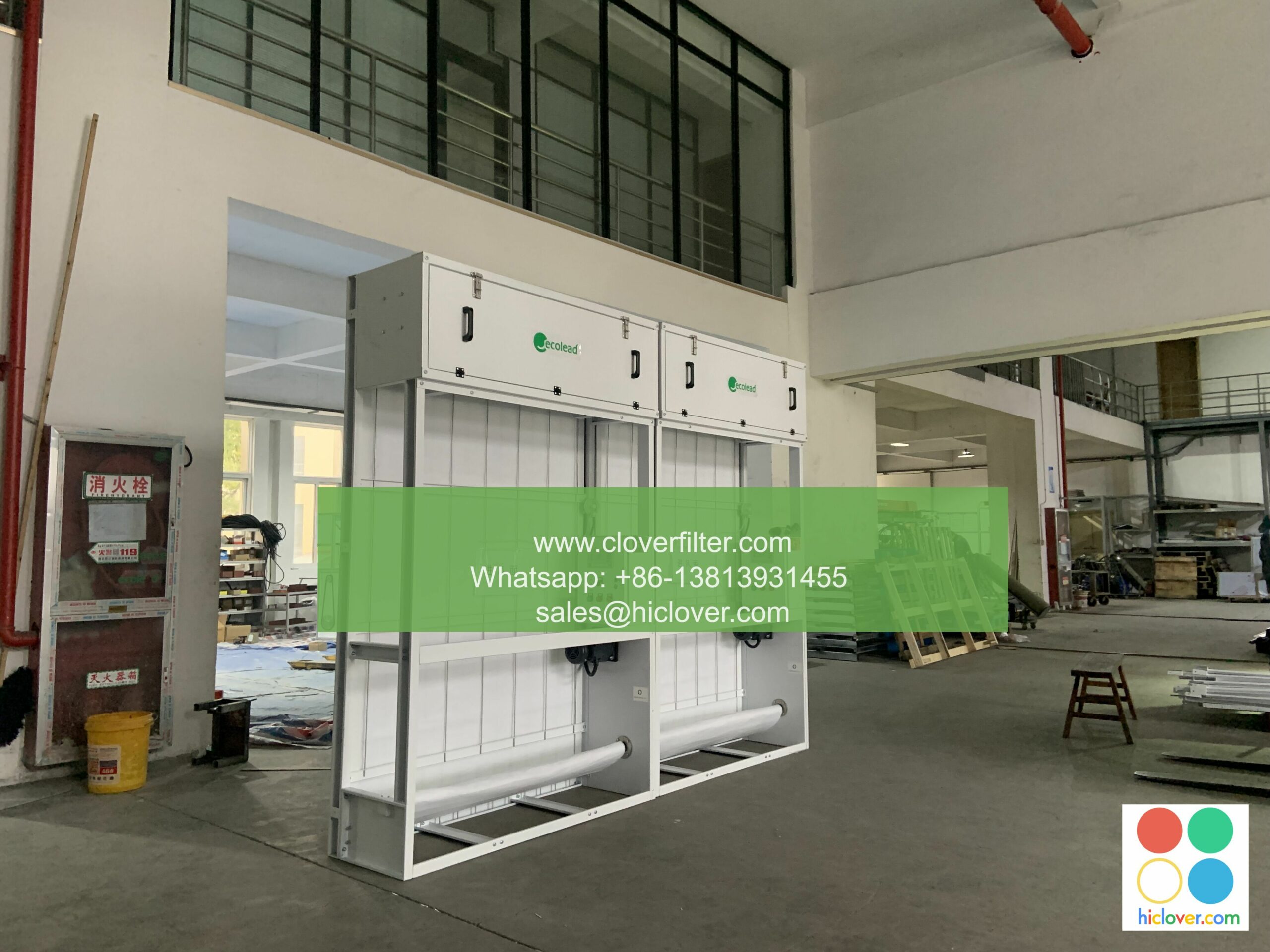
The rapid evolution of battery storage technology is fundamentally transforming various sectors, particularly renewable energy, electric vehicles, and grid reliability. As energy demands grow, the need for efficient battery systems has never been more critical. One essential yet often overlooked component of battery efficiency is the ventilation system. Innovations in this field are set to play a pivotal role in improving battery performance, safety, and longevity.
Understanding the Role of Ventilation Systems

Ventilation systems in battery storage units serve several critical purposes. Primarily, they maintain optimal temperature levels, ensuring that batteries do not overheat during charge and discharge cycles. Effective ventilation not only enhances the overall performance of batteries but also prolongs their life cycle. Moreover, these systems are vital for ensuring safety by mitigating the risk of thermal runaway and potential fire hazards.
Advancements in Ventilation Technology
Recent innovations in ventilation systems are addressing the challenges posed by modern battery technologies. Key advancements include:
- Dynamic Airflow Management: Utilizing sensors and automated controls to adjust airflow based on real-time temperature data helps maintain optimal operating conditions for batteries.
- Heat Recovery Systems: Innovations that allow for the recycling of waste heat generated from batteries into usable energy contribute to overall efficiency.
- Advanced Materials: The development of lightweight, high-performance materials for ventilation components enhances durability while reducing cost and complexity.

Application Areas for Optimized Ventilation Systems
The integration of advanced ventilation systems into battery storage solutions can significantly impact various application areas:
1. Renewable Energy Storage
With the increased use of solar and wind energy, efficient energy storage is vital. Improved ventilation systems can maximize battery life and reliability in solar farms and wind turbines, ensuring consistent supply during periods of low generation.
2. Electric Vehicles (EVs)
Battery technology in EVs is evolving rapidly. Enhanced ventilation systems can improve the safety and performance of battery packs, addressing overheating issues that can affect the range and safety of electric vehicles.
3. Grid Energy Storage
As grid reliability becomes increasingly important with the integration of renewable sources, advanced battery storage with optimized ventilation can provide stability during peak demand periods and help balance supply and demand effectively.
4. Consumer Electronics
From smartphones to laptops, modern consumer electronics require efficient power sources. The latest innovations in ventilation technology can enhance battery performance, reduce charging times, and prolong battery life in portable devices.
The Importance of R&D Investment
Continued research and development (R&D) in battery technology and ventilation systems is essential to drive these innovations forward. Stakeholders, including governments, research institutions, and companies, must collaborate to fund and facilitate cutting-edge research, ensuring that the future of battery storage remains bright and sustainable.
Conclusion
As we look to the future of battery storage, innovations in ventilation systems will be critical in optimizing performance across various sectors. By investing in advanced technologies and materials, we can unlock the full potential of battery storage, paving the way for a more sustainable and energy-efficient world.
It looks like you entered “Prompt” but didn’t provide any specific context or details. How can I assist you today? If you have a topic or question in mind, feel free to share!
