The Future of Biotech Lab Air Purification: Trends and Advances in Automatic Roll Filter Technology
Introduction
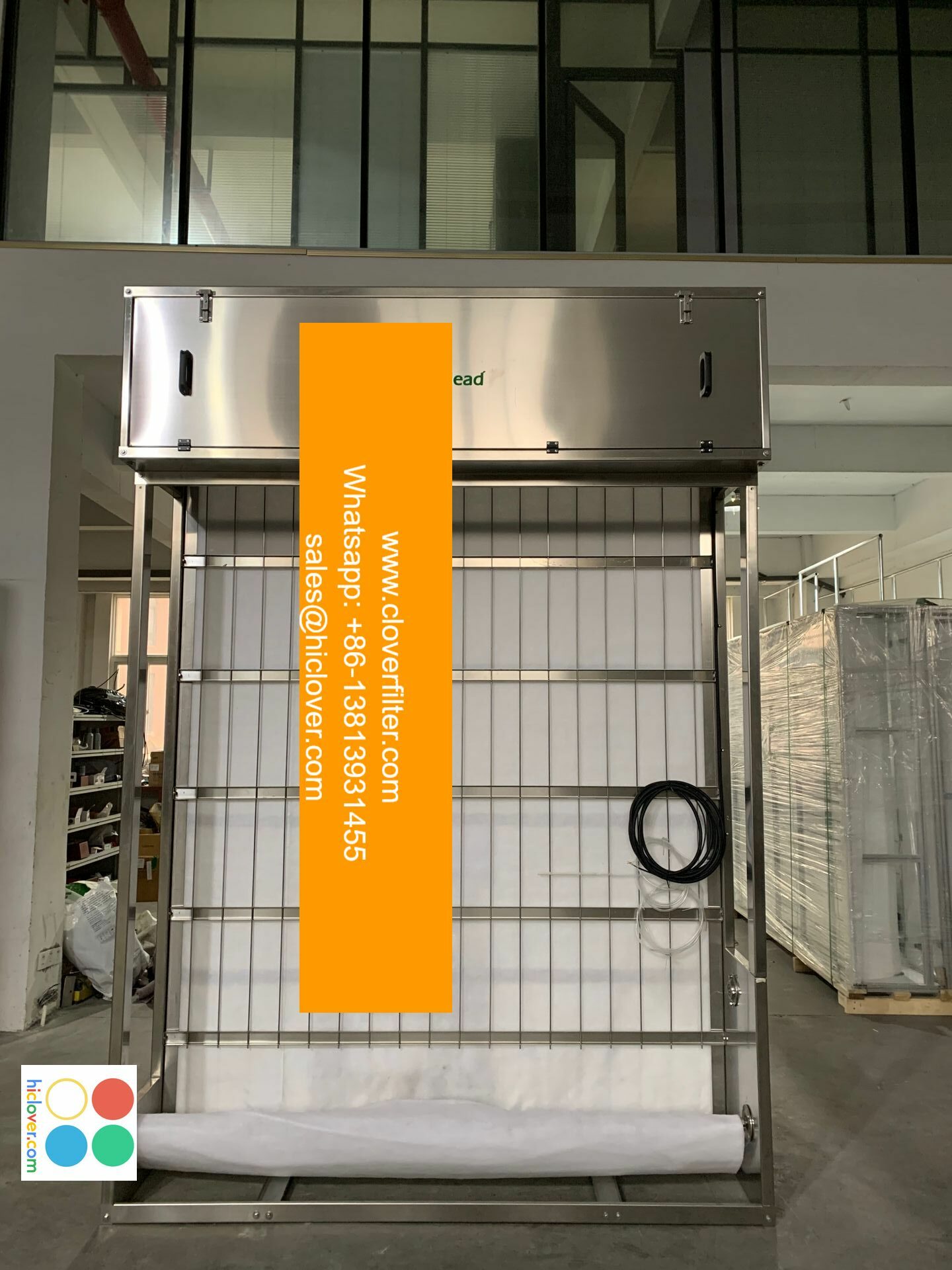
In the realm of biotechnology, maintaining a sterile and contaminant-free environment is crucial for accurate research and development. As labs become more sophisticated and requirements for air quality become stricter, the need for effective air purification solutions has never been more important. Among the latest advancements in this area is the innovative use of automatic roll filter technology, which is revolutionizing how biotech facilities manage airborne pollutants.
Key Trends in Air Purification Technology
1. Automation and Efficiency
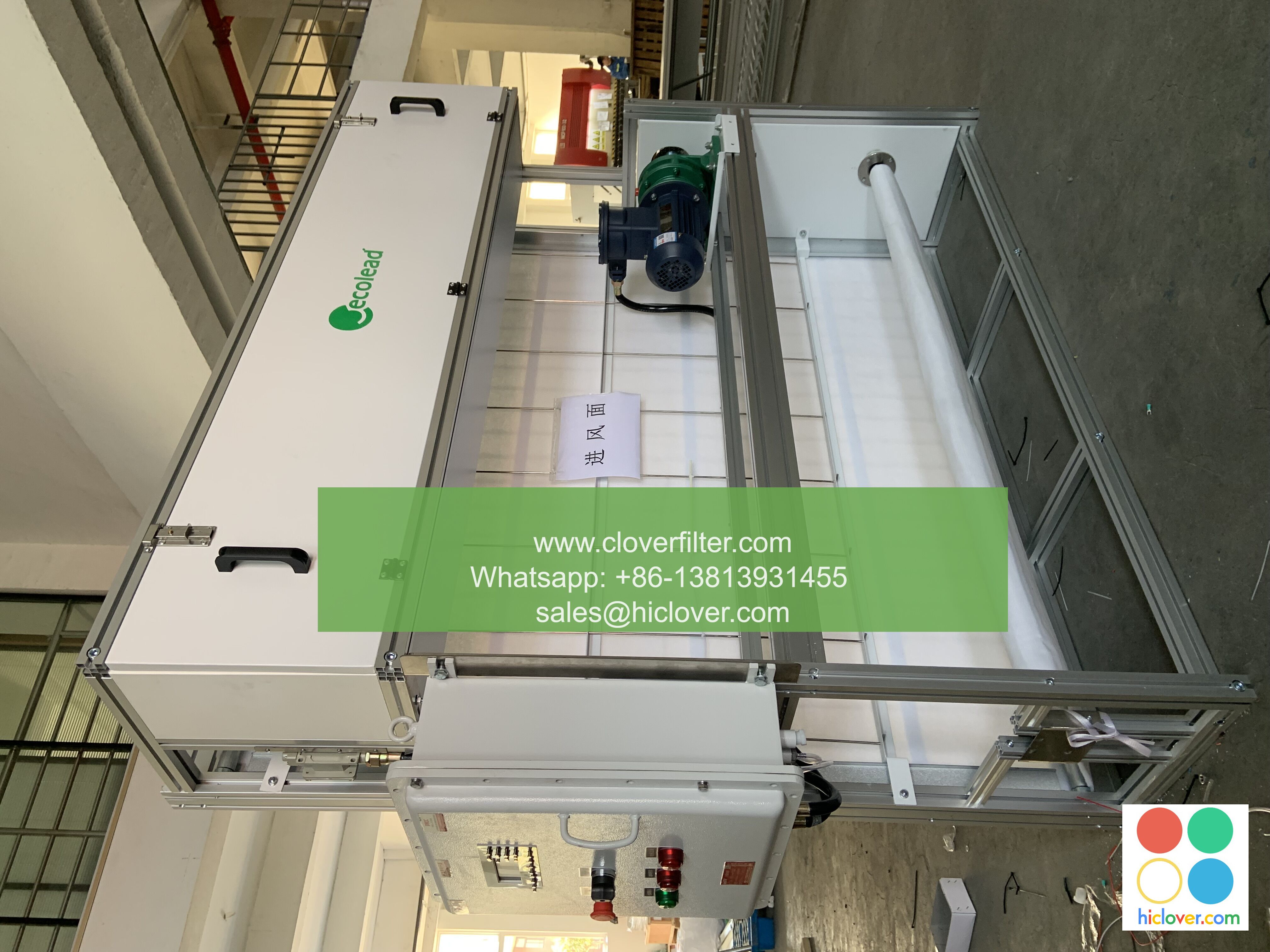
Automatic roll filter technology introduces a level of automation that significantly enhances efficiency in air purification systems. These filters are designed to self-adjust, ensuring optimal functioning while minimizing manual intervention. This not only reduces operational costs but also ensures that air quality remains consistently high.
2. Enhanced Filter Materials
The development of advanced filter materials, such as nanofibers and activated carbon composites, has improved the efficacy of air purification systems. These materials are capable of capturing smaller particulate matter and a wider range of contaminants, including volatile organic compounds (VOCs), which are critical in high-stakes biotech labs.
3. Real-Time Air Quality Monitoring

Integrating real-time air quality monitoring systems with automatic roll filter technology allows for data-driven decisions regarding air purification. Sensors can detect changes in air quality, prompting the system to adjust filter settings or initiate replacements automatically, ensuring a consistently healthy laboratory environment.
Applications of Automatic Roll Filter Technology in Biotech Labs
1. Pharmaceutical Development
In pharmaceutical labs, the need for sterile conditions is paramount. Automatic roll filters can handle high volumes of air while maintaining a contamination-free environment, making them ideal for areas where sensitive compounds are formulated or tested.
2. Clinical Research Facilities
Clinical research often deals with live samples and pathogens, requiring rigorous air quality control. Automatic roll filters can enhance safety protocols by reducing microbial load in the air, thereby protecting personnel and ensuring the reliability of research outcomes.
3. Biomanufacturing
In biomanufacturing, maintaining specific air quality standards is essential for the production of biologics. The integration of automatic roll filter technology can streamline operations, reduce downtime from filter changes, and maintain consistent air quality throughout production cycles.
Future Outlook
As biotechnology continues to advance, the importance of effective air purification systems will only grow. Future developments in automatic roll filter technology are likely to focus on even greater efficiency, sustainability, and integration with smart laboratory systems. Innovations may include:
- Smart filters with AI capabilities for predictive maintenance
- Biodegradable filter materials to reduce environmental impact
- Enhanced energy efficiency to lower operational costs
Conclusion
The integration of automatic roll filter technology in biotech lab air purification represents a significant leap forward in ensuring safe and efficient research environments. By staying abreast of the latest trends and technologies, biotech facilities can not only meet regulatory standards but also enhance their operational efficiency and research outcomes.
