The Future of Cement Production: Innovative Roll Filtration Systems
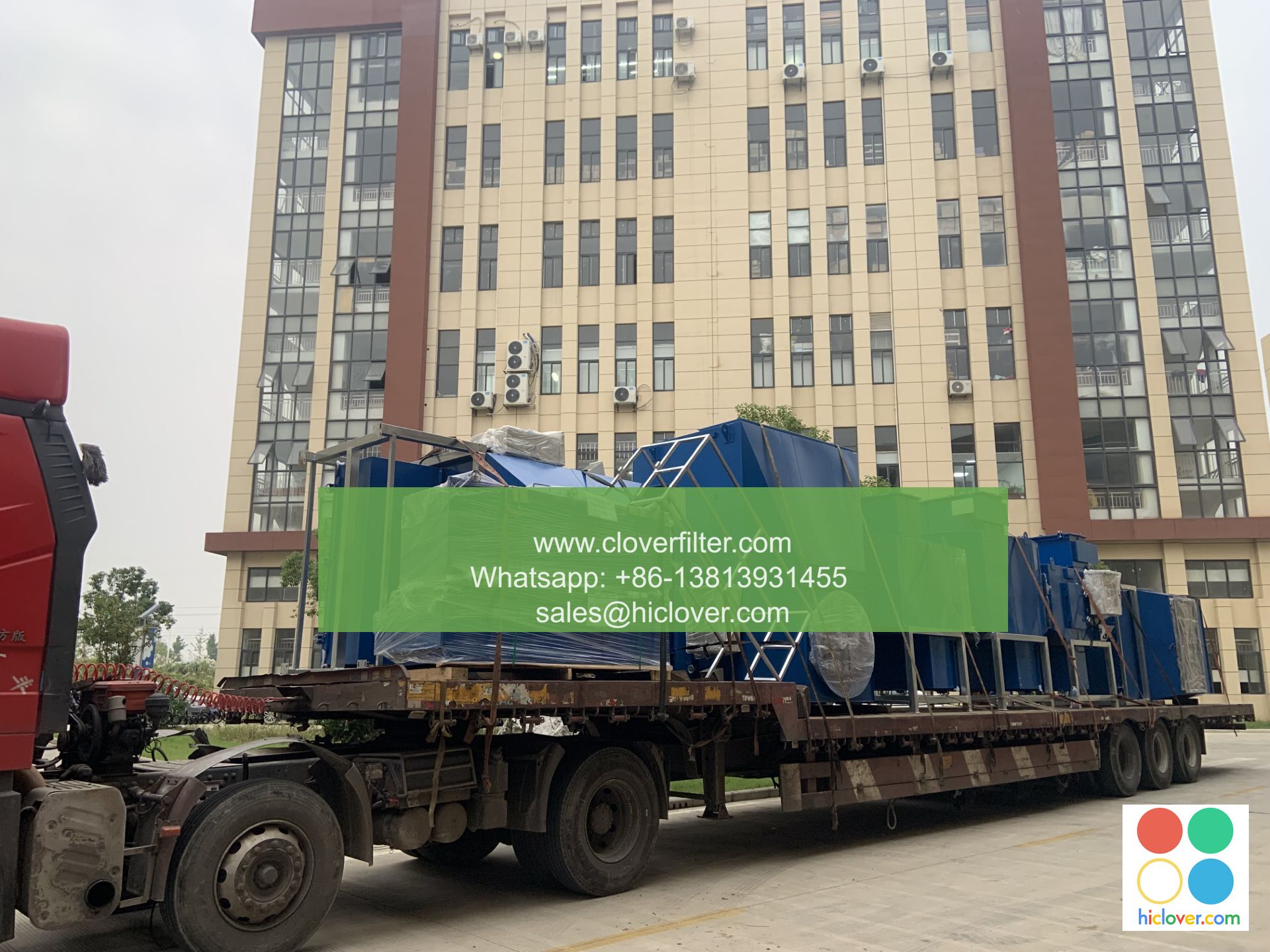
The cement industry has long been an essential element of modern infrastructure and construction. However, with increasing environmental regulations and sustainability concerns, innovative techniques are becoming crucial for the industry’s evolution. One such development that holds great promise is the adoption of innovative roll filtration systems. These advanced technologies not only enhance efficiency but also significantly reduce environmental impact.
What Are Roll Filtration Systems?

Definition and Concept
Roll filtration systems are innovative technologies designed to separate solids from liquids in various industrial processes. Utilizing an advanced mechanism, these systems allow for better control of the separation process, leading to higher quality outputs. In cement production, roll filtration systems can greatly improve the processing of raw materials and wastewater management.
Advantages of Innovative Roll Filtration Systems in Cement Production
1. Enhanced Resource Efficiency
One of the primary benefits of adopting roll filtration systems in cement production is enhanced resource efficiency. These systems allow plants to reuse water and materials, reducing the overall consumption of fresh resources. This efficiency directly contributes to decreased operational costs and improved sustainability.
2. Improved Quality Control

The precise separation achieved through roll filtration systems helps maintain high quality in cement production. By filtering out impurities and ensuring consistent particle sizes, manufacturers can produce superior cement products that meet the required standards. This leads to better performance in construction applications, such as infrastructure and residential projects.
3. Reduced Environmental Impact
Innovative roll filtration systems contribute to minimizing the environmental footprint of cement production. By treating wastewater effectively and recovering valuable materials, these systems help prevent pollution and reduce waste numbers. Furthermore, with increasing pressure on industries to meet sustainability benchmarks, adopting eco-friendly technologies is not just beneficial but necessary.
Application Areas of Roll Filtration Systems in Cement Production
1. Raw Material Processing
Roll filtration systems can be instrumental during the raw material processing stage. By efficiently filtering out unwanted particles, manufacturers can ensure the quality of inputs like limestone, clay, and gypsum. This leads to a more stable and predictable production process.
2. Wastewater Treatment
Cement production generates significant amounts of wastewater that, if not managed properly, can lead to environmental degradation. Innovative roll filtration systems can treat this wastewater effectively by removing suspended solids and impurities. The filtered water can either be reused within the production process or safely released into the environment.
3. Air Pollution Control
The use of roll filtration systems can also contribute to improving air quality. By integrating these systems with air filtration processes, cement manufacturers can significantly reduce emissions. The ability to capture and manage dust particles and particulate matter underscores the importance of maintaining compliance with environmental regulations.
Future Trends in Cement Production with Roll Filtration Technologies
Sustainable Practices
Going forward, the push towards sustainability will see roll filtration systems at the forefront of technological advancements in cement production. As countries impose stricter regulations related to emissions and waste management, industries will need to adapt.
Automated and Smart Filtration
The integration of Industry 4.0 technologies, such as IoT and AI, can enhance the efficacy of roll filtration systems. By implementing smart monitoring and control systems, companies can optimize filtration processes to further minimize waste and improve energy efficiency.
Research and Development
Investing in research and development will be crucial for further innovation in roll filtration systems. Ongoing advancements will not only lead to improved technologies but also uncover new applications within the cement industry, fostering continued growth and sustainability.
Conclusion
The future of cement production is poised for significant transformation with the introduction of innovative roll filtration systems. These technologies enhance efficiency, quality control, and environmental sustainability across various application areas. By embracing such advancements, the cement industry can not only meet current demands but also pave the way for a more sustainable future. As we move forward, continued investment in innovative filtration technologies will play a pivotal role in shaping the future landscape of cement production.
Explore Innovative Technologies Today!
For manufacturers looking to improve their processes, considering innovative roll filtration systems is an essential step towards achieving sustainable and efficient cement production. The time to innovate is now!
It looks like you entered “Prompt,” but didn’t specify what kind of prompt you need. Could you please provide more details or clarify what you’re looking for? Whether it’s a writing prompt, a question, or something else, I’m here to help!
