The Future of Clean Air: Implementing Automatic Roll Dust Filters in Uganda
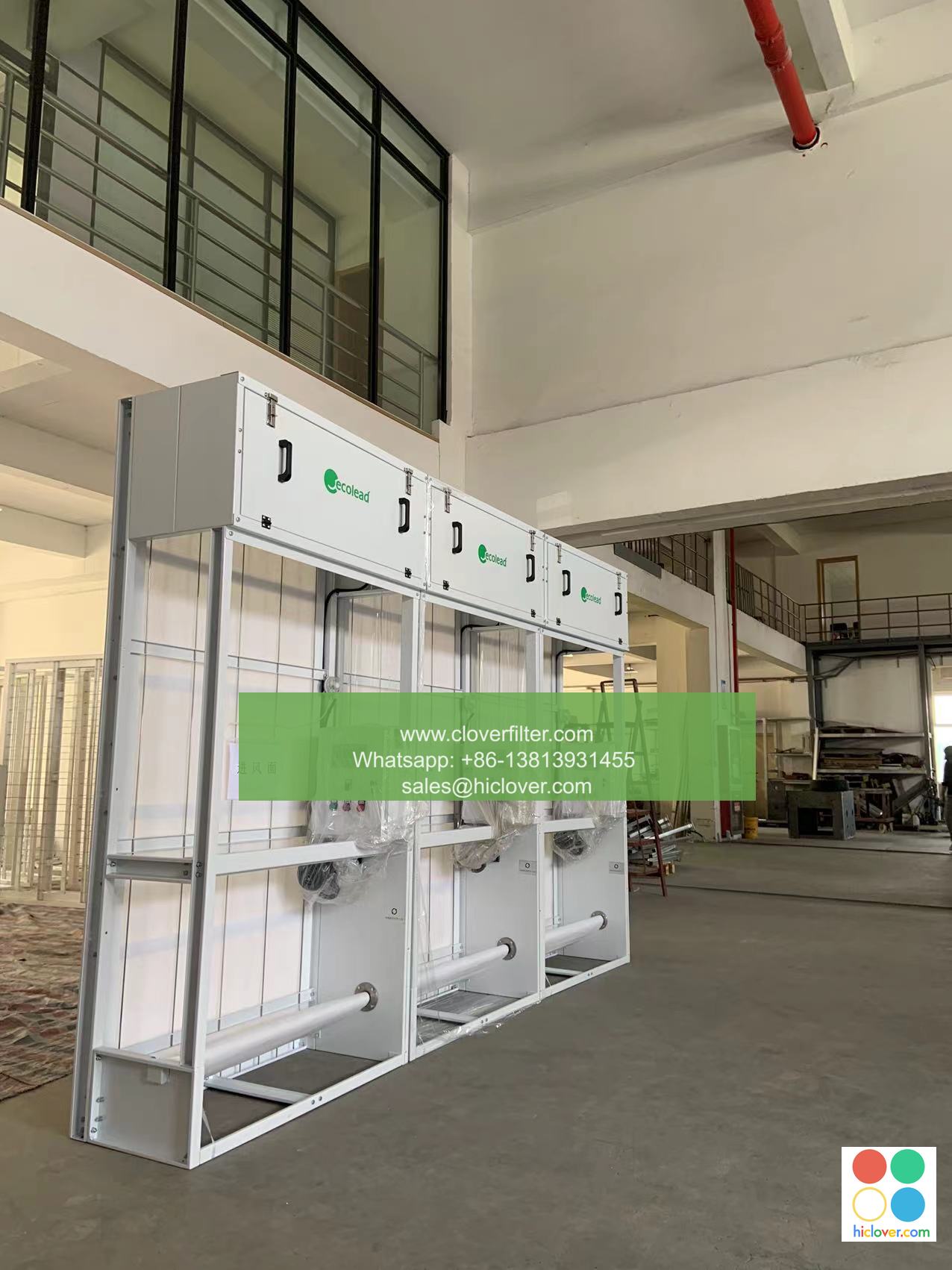
Introduction
As Uganda continues to experience rapid urbanization and industrial growth, the need for clean air becomes increasingly crucial. Air pollution poses significant health risks, particularly to vulnerable populations. To combat this issue, the implementation of automatic roll dust filters offers a promising solution that could greatly improve air quality across various sectors.

The Need for Clean Air in Uganda
Uganda faces a multitude of challenges related to air pollution, including increased respiratory diseases and environmental degradation. Key sources of air pollution include:
- Vehicle emissions in urban areas.
- Industrial discharge from factories.
- Agricultural practices that lead to dust and particulate matter.
What are Automatic Roll Dust Filters?

Automatic roll dust filters are innovative air purification systems designed to capture and filter airborne particulates. By utilizing advanced filtration technology, these automatic systems can efficiently reduce dust and particulate matter in the air, providing a cleaner and healthier environment.
Application Areas of Automatic Roll Dust Filters
The deployment of automatic roll dust filters can be beneficial across several areas:
1. Urban Areas
In densely populated cities like Kampala, these filters can be installed in high-traffic regions and public transportation systems, drastically improving air quality for residents.
2. Industrial Zones
Factories and manufacturing plants are significant contributors to air pollution. Automatic roll dust filters can be integrated into factory ventilation systems, capturing emissions before they enter the atmosphere.
3. Agricultural Fields
The agricultural sector, often neglected in air quality discussions, can also benefit. These filters can help manage dust generated during tilling and harvest seasons, protecting both farmers and nearby communities.
4. Environmental Health Initiatives
Local governments and NGOs focused on public health can incorporate these filters into their programs. By investing in clean air technologies, they can reduce the health risks associated with pollution.
Benefits of Implementing Automatic Roll Dust Filters
Implementing these advanced filtration systems will yield numerous benefits:
- Improved Public Health: Reduced respiratory illnesses and healthcare costs associated with air pollution.
- Economic Growth: A healthier workforce leads to increased productivity and economic stability.
- Environmental Protection: Improved air quality contributes to biodiversity and preserves Uganda’s natural ecosystems.
Challenges and Considerations
Despite the promising benefits, several challenges must be addressed before widespread implementation of automatic roll dust filters in Uganda:
- Initial Costs: The upfront investment for these systems can be significant, necessitating support from the government and international donors.
- Technical Skills: Training local technicians for installation and maintenance is crucial for sustainability.
- Public Awareness: Educating the public about the importance of clean air and the technologies available is essential for community buy-in.
Conclusion
The implementation of automatic roll dust filters presents a viable path towards achieving cleaner air in Uganda. By addressing air pollution across various sectors—urban, industrial, and agricultural—Uganda can significantly enhance the health and well-being of its population. With the right investment, training, and public education, the future of clean air in Uganda can become a reality.
It seems like your message was cut off! Could you please provide more details or clarify what you’re looking for? Whether it’s a specific writing prompt, topic, or question, I’m here to help!
