The Future of Clean Air in EV Testing: Exploring Self-Cleaning Roll Air Filters
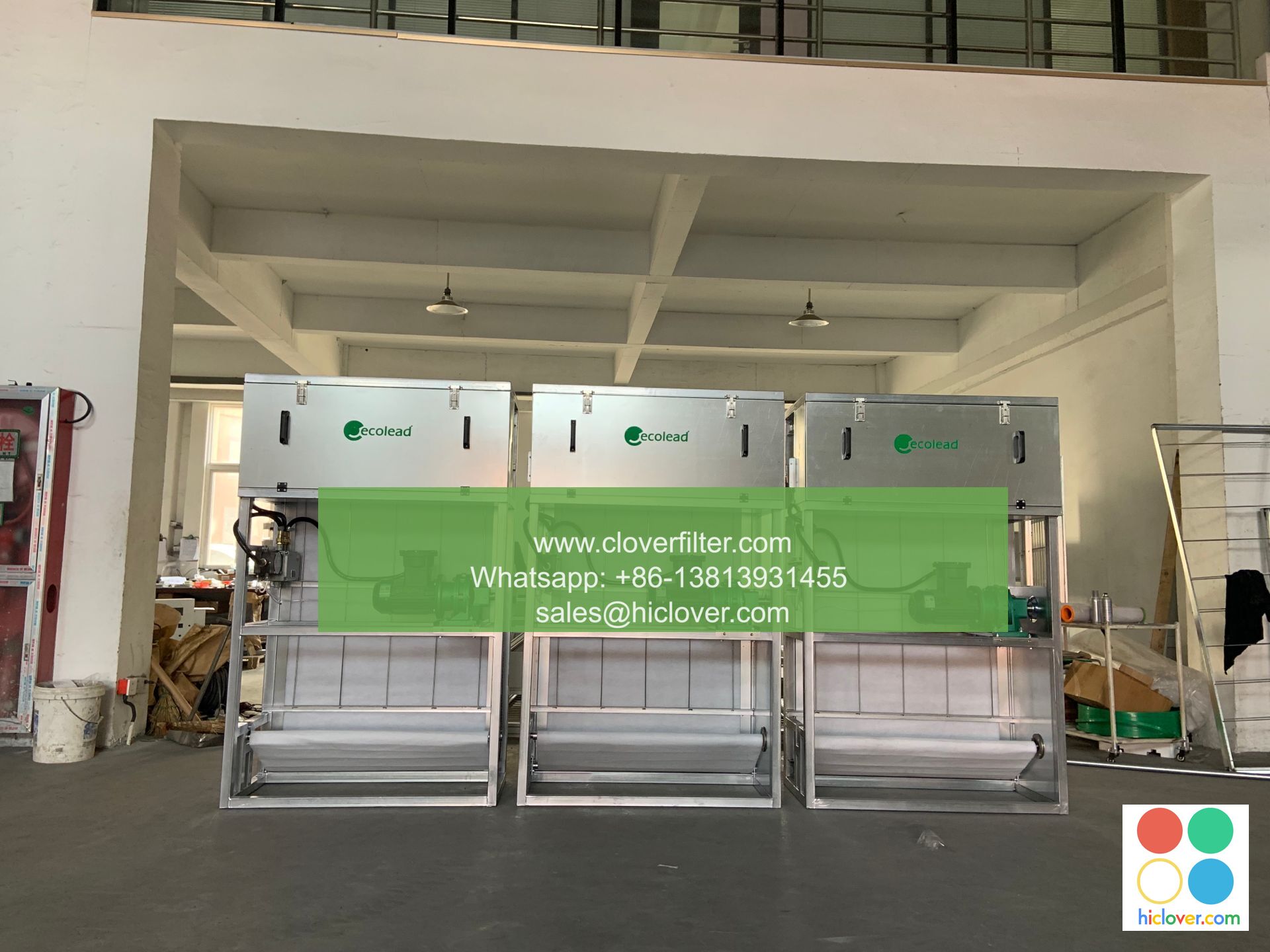
As the world transitions to electric vehicles (EVs) to combat climate change and improve urban air quality, the importance of efficient and innovative air filtration systems becomes paramount. Among emerging technologies, self-cleaning roll air filters stand out as a game-changer in the field of EV testing.
Understanding Self-Cleaning Roll Air Filters

Self-cleaning roll air filters utilize advanced materials and mechanisms to capture and remove airborne particles efficiently. Unlike traditional filters that require frequent replacements, these innovative systems are designed to automatically clean themselves, ensuring a consistent airflow. This is particularly vital in the context of EV testing, where maintaining clean air is crucial for accurate performance evaluations and emissions standards.
Benefits of Self-Cleaning Roll Air Filters in EV Testing
1. Enhanced Air Quality
By employing self-cleaning roll air filters, testing environments can maintain high air quality standards. This is especially significant in urban settings where pollution levels can compromise the accuracy of environmental assessments and emissions tests.
2. Cost-Effectiveness
With reduced maintenance requirements and longer filter life, self-cleaning systems can significantly lower operational costs, making them an attractive option for manufacturers and testing facilities. This financial efficiency can encourage broader adoption of clean technologies in vehicle testing.
3. Increased Testing Efficiency
Self-cleaning capabilities streamline the testing process, minimizing downtime caused by filter changes. This leads to quicker and more efficient evaluations of new EV technologies, facilitating faster product development and market entry.
Application Areas for Self-Cleaning Roll Air Filters
The role of self-cleaning roll air filters extends beyond just EV testing. Various application areas include:
1. Automotive Industry
In automotive manufacturing plants, clean air filters can optimize the air quality in assembly lines, reducing the risk of contaminants affecting the vehicles during production.
2. Public Transportation
Public transit systems using electric buses can benefit from improved air filtration, ensuring cleaner air for passengers and drivers alike.
3. Indoor Air Quality Management
Commercial and residential spaces can implement these systems to enhance indoor air quality, contributing to healthier living and working environments.
4. Industrial Applications
Factories and warehouses can utilize self-cleaning roll air filters to maintain respirable air quality, particularly in areas where dust and particulate matter are prevalent.
Conclusion
The future of clean air in EV testing appears promising with the integration of self-cleaning roll air filters. This innovative technology not only enhances air quality and testing efficiency but also paves the way for cleaner and greener automotive solutions. As the industry continues to evolve, embracing such advancements will be vital for achieving sustainable transportation and improved public health.
It seems like you might have a specific request or topic in mind. Could you please provide more details or clarify what you’re looking for? Whether it’s a writing prompt, a question, or anything else, I’m here to help!
