The Future of Clean Transportation: Implementing Dust Filters in Kenya
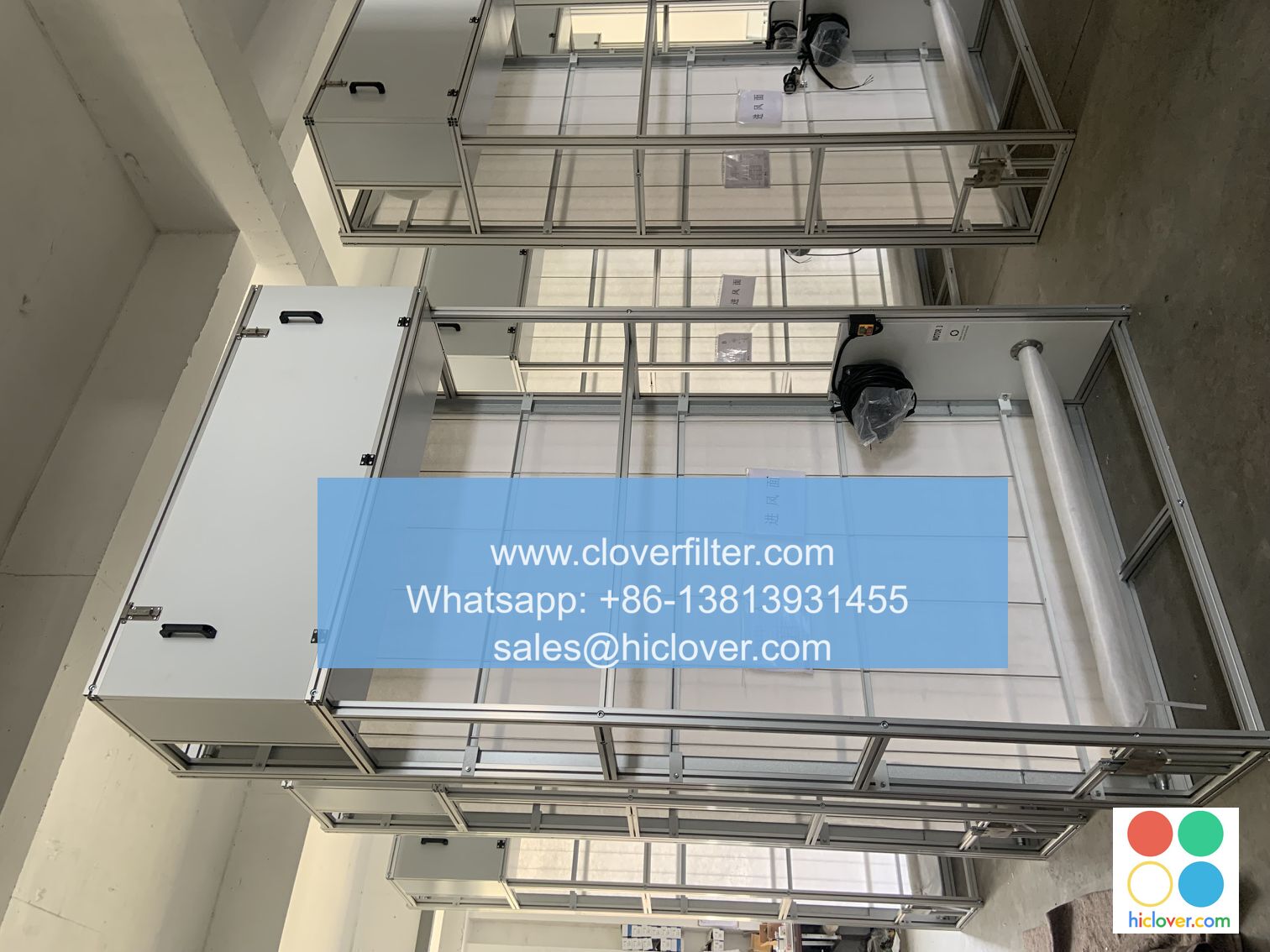
As the world pivots towards sustainable solutions, Kenya stands at the forefront of clean transportation innovations. The discourse on air quality, environmental sustainability, and public health has intensified, leading to a surge in interest for effective strategies like the implementation of dust filters in transportation systems.
The Need for Clean Transportation Solutions in Kenya

Kenya is grappling with an increasing population and urbanization rates, which have significant implications for air quality. Urban areas, particularly Nairobi, face substantial challenges with air pollution, predominantly caused by vehicle emissions and dust from unpaved roads. Thus, the development and adoption of clean transportation technologies are critical for achieving a sustainable future.
Understanding Dust Filters
Dust filters are systems designed to trap and eliminate particulate matter from the air. In the context of transportation, these filters can be integrated into vehicles and infrastructure, improving air quality by capturing dust and toxic emissions before they enter the atmosphere.
Types of Dust Filters
- HEPA Filters: High-efficiency particulate air filters that capture at least 99.97% of dust particles.
- Electrostatic Filters: Using electric charges to attract and capture airborne particles.
- Activated Carbon Filters: Removing gases and odors, alongside particulate matter.

Applications of Dust Filters in Transportation
The application of dust filters in transportation offers various advantages across multiple sectors, including:
Public Transport Systems
Implementing dust filters in buses and trains can dramatically reduce the emission of harmful particles. Cities like Nairobi can benefit from cleaner public transportation, enhancing the health of commuters and reducing the overall urban pollution footprint.
Commercial Vehicles
For freight carriers and logistics companies, integrating dust filters can lower emission levels, improve fuel efficiency, and help comply with international environmental regulations. This can lead to a competitive edge in an ever-evolving market driven by sustainability.
Construction and Mining Equipment
Dust filters can be particularly beneficial in the construction and mining sectors, where dust generation is inherent. By applying filters to heavy machinery, companies can mitigate air pollution effects on local communities and work environments.
The Societal Impact of Cleaner Air
The adoption of dust filters in transportation can significantly affect public health in Kenya. Improved air quality can lead to reduced respiratory diseases, higher productivity levels, and a better quality of life. Awareness campaigns and public education can further bolster these efforts, ensuring communities understand the importance of transitioning to cleaner technologies.
Regulatory Support and Future Directions
For the implementation of dust filters in transportation to be successful, supportive policies are needed. The Kenyan government should consider incentives for companies upgrading to cleaner technologies and push for stricter emission standards. Collaboration with international organizations can also foster infrastructure development and finance research into innovative air quality solutions.
Conclusion
The future of clean transportation in Kenya is ripe with possibilities. By embracing the application of dust filters, Kenya can lead by example in sustainable transport solutions. This shift not only holds the potential for cleaner air but also champions a healthier, more sustainable lifestyle for future generations. Innovations in transportation, when combined with supportive regulations and public awareness, pave the way for a brighter tomorrow.
It looks like you entered “Prompt” but didn’t provide any specific details or context. How can I assist you today? Do you have a particular topic or question in mind?
