The Future of Cleanliness: Implementing Self-Cleaning Roll Filters in Robotics Automation Parks
Introduction
As the world increasingly embraces automation, the need for cleanliness in robotic environments becomes paramount. Self-cleaning roll filters represent a groundbreaking advancement in maintaining hygiene and operational efficiency. This article explores the implementation of self-cleaning roll filters in robotics automation parks and highlights their various application areas, showcasing how they can contribute to a cleaner, more efficient future.
Understanding Self-Cleaning Roll Filters
What Are Self-Cleaning Roll Filters?
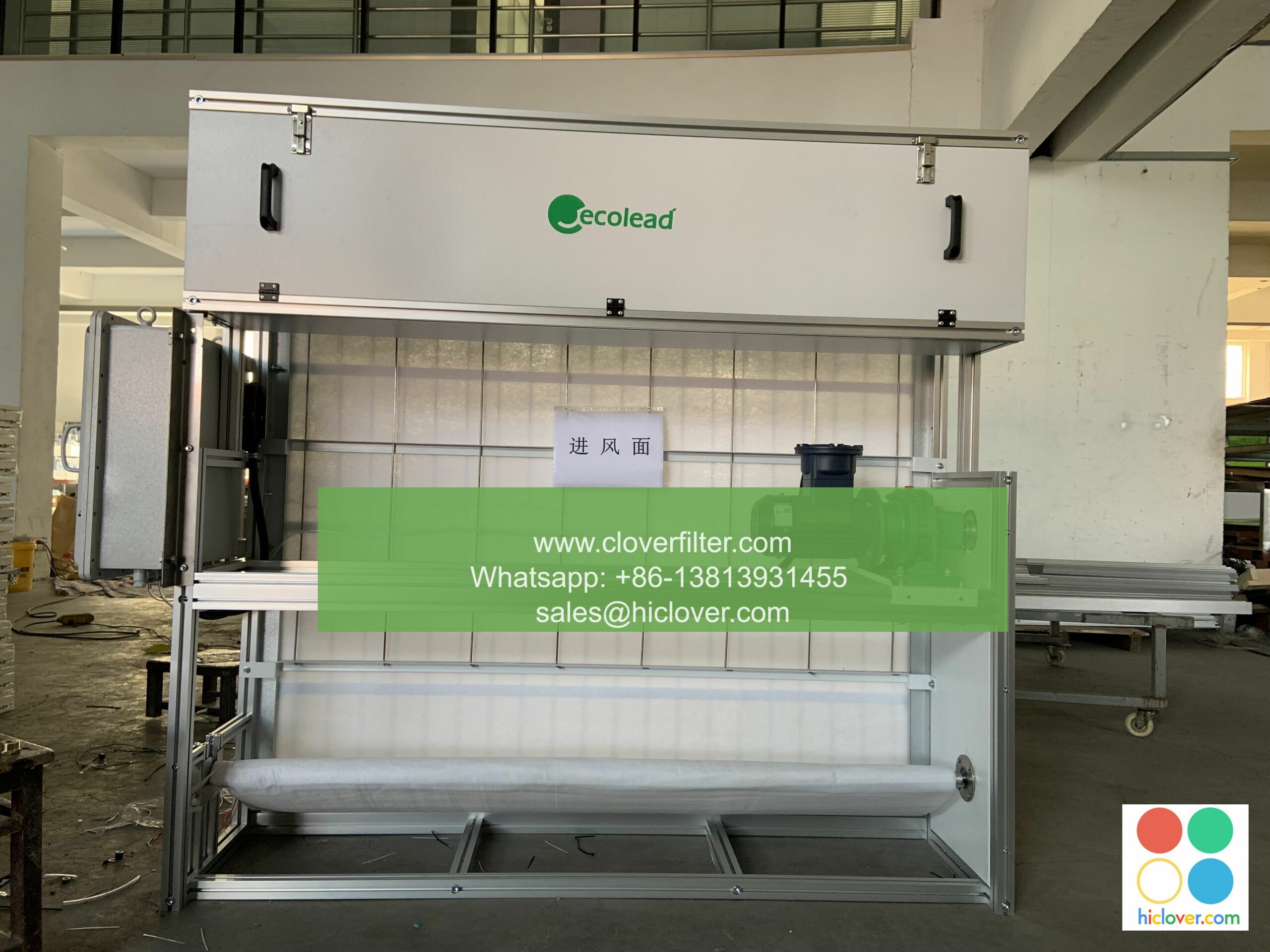
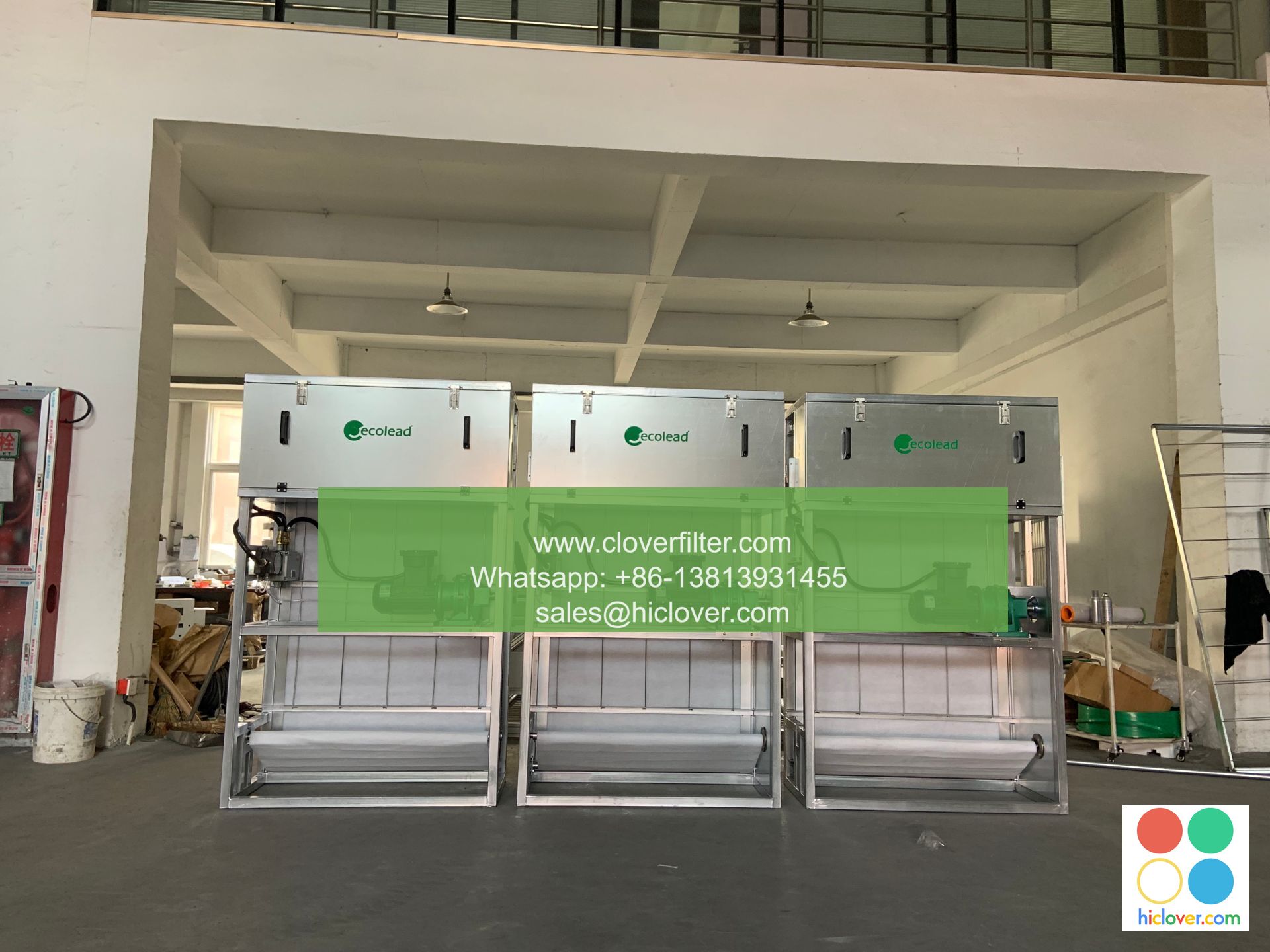
Self-cleaning roll filters are innovative filtration systems designed to automatically remove contaminants from their surfaces without the need for manual intervention. Utilizing advanced technology, these filters can clean themselves, ensuring continuous operation—crucial in environments where robotics play a pivotal role.
How Do Self-Cleaning Roll Filters Work?
These filters typically consist of a series of rolls coated with filtration materials, which capture dust, debris, and contaminants. Periodically, they undergo a self-cleaning process, where accumulated particles are dislodged, and the filter surface remains clean. This self-sustaining mechanism not only enhances efficiency but also reduces downtime associated with manual cleaning.
The Importance of Cleanliness in Robotics Automation Parks

Enhancing Performance
In robotics automation parks, cleanliness is crucial to ensure optimal performance. Contaminants can interfere with sensors, motors, and other critical components, leading to operational failures. Implementing self-cleaning roll filters mitigates these risks by maintaining a pristine environment for robotic operations.
Ensuring Safety
A clean working environment is synonymous with safety. Dust and debris can cause hazardous conditions, increasing the risk of accidents. By utilizing self-cleaning roll filters, automation parks can ensure better air quality and reduce the likelihood of injuries, fostering a safer workspace for both humans and machines.
Application Areas of Self-Cleaning Roll Filters
Manufacturing Facilities
In manufacturing settings, where dust and particles are prevalent, self-cleaning roll filters can help maintain operations by preventing contamination of machinery and sensitive electronics. Their ability to operate continuously allows manufacturing lines to remain productive without interruption.
Food Processing Plants
The food processing industry demands stringent cleanliness standards. Self-cleaning roll filters can effectively maintain hygiene levels by removing contaminants from the air and surfaces. By integrating these filters into their operations, food manufacturers can improve food safety and compliance with health regulations.
Healthcare Institutions
In hospitals and healthcare facilities, cleanliness is not just a preference; it is a necessity. Self-cleaning roll filters can enhance air quality, reducing the spread of airborne pathogens. This technology plays a critical role in infection control, helping to protect both patients and healthcare workers.
Warehousing and Distribution Centers
In warehousing and distribution centers, where large volumes of goods are handled, the maintenance of a clean environment is essential to prevent product contamination. Implementing self-cleaning roll filters can streamline the cleaning process, ensuring that air quality remains high and the sorting and distribution of goods is not compromised.
The Integration of Self-Cleaning Roll Filters in Robotics Automation Parks
Intelligent Automation Systems
Integrating self-cleaning roll filters into robotics automation parks enhances intelligent automation systems. By continuously monitoring air quality and filter performance, these systems can optimize cleaning schedules and reduce maintenance burdens. This synergy between robotics and automated cleanliness ensures smoother operations.
Sustainable Solutions
As industries aim for sustainable practices, self-cleaning roll filters present an eco-friendly solution. By minimizing the need for manual cleaning and reducing waste generated from traditional cleaning supplies, these filters contribute to environmentally responsible operations in robotics automation parks.
Conclusion
The future of cleanliness in robotics automation parks lies in the implementation of self-cleaning roll filters. These innovative systems provide enhanced performance, safety, and efficiency across various application areas, from manufacturing to healthcare. As industries continue to embrace automation, investing in self-cleaning solutions will be crucial for ensuring operational cleanliness and sustainability. By prioritizing cleanliness, we pave the way for a smarter and healthier automated future.
By integrating self-cleaning roll filters into our automation strategies, we are not just adopting a technological advancement; we are shaping a clean, efficient, and sustainable future in robotics.
It looks like your message might have been cut off or is incomplete. Could you please provide more details or clarify what you would like assistance with? Whether it’s a writing prompt, a question, or something else, I’m here to help!
