The Future of Concrete Production: Exploring Automatic Dust Filtration Systems in Dubai
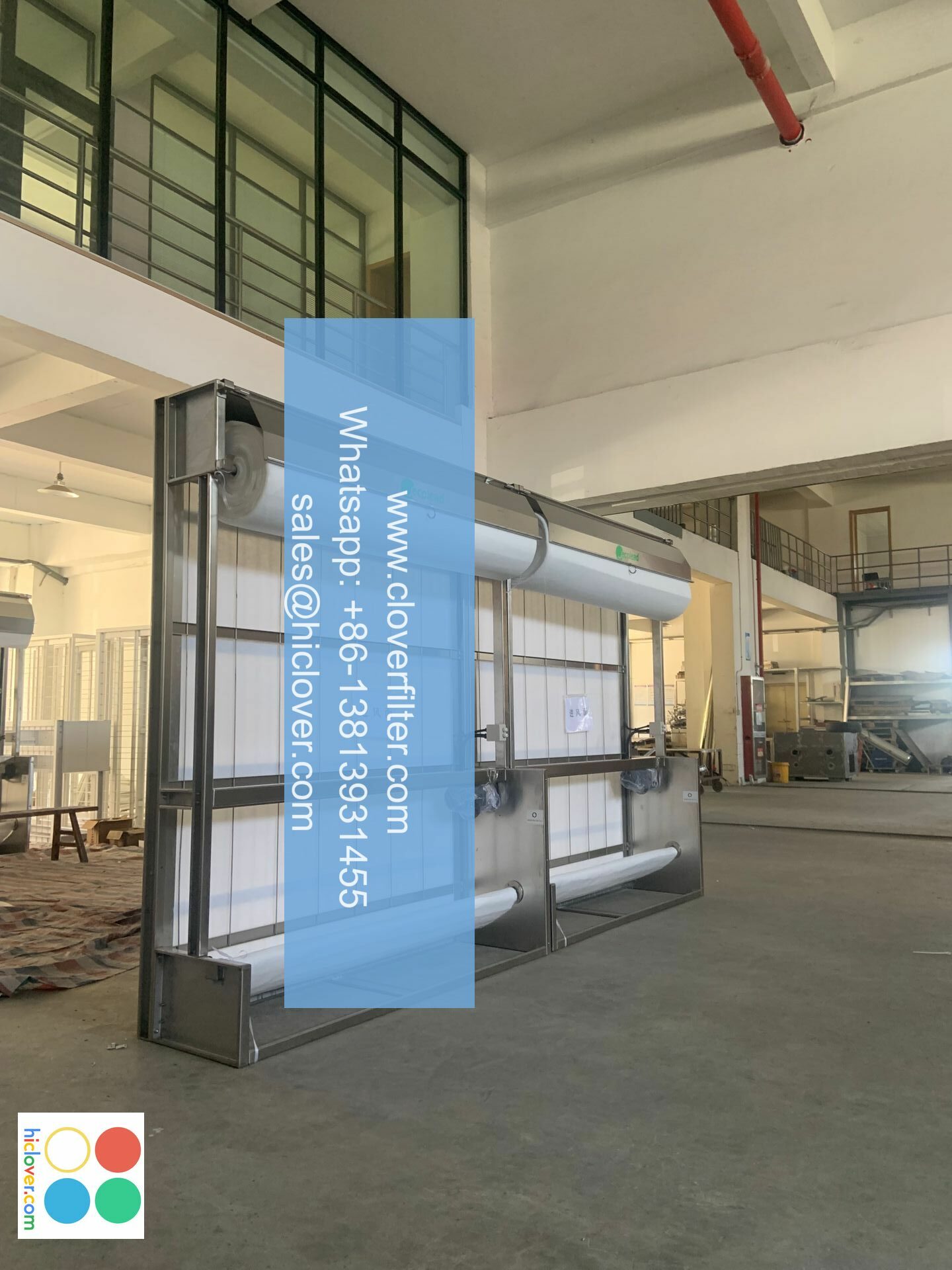
The demand for concrete continues to grow in urbanizing cities such as Dubai, where impressive skyscrapers and various infrastructures rise rapidly. As construction expands, the need for effective dirt control and environmental sustainability becomes increasingly critical. In this context, automatic dust filtration systems have emerged as a significant innovation in the concrete production industry. This article explores how these systems are reshaping concrete production in Dubai, highlighting their application areas and benefits.
Understanding Automatic Dust Filtration Systems

Automatic dust filtration systems are advanced technologies designed to mitigate airborne dust particles generated during concrete production. These systems utilize cutting-edge filtration technologies and sensors to automatically detect and filter dust from the air in real-time, ensuring a cleaner and healthier work environment. They play a vital role in meeting stringent environmental regulations and promoting sustainability throughout the construction industry.
Benefits of Automatic Dust Filtration Systems
- Enhanced Air Quality: By efficiently capturing dust particles, these systems vastly improve the air quality on construction sites, benefiting workers’ health and reducing pollution.
- Compliance with Regulations: Adopting automatic dust filtration systems helps construction companies comply with environmental laws and regulations, avoiding potential fines.
- Reduced Material Waste: Effective dust control minimizes the loss of raw materials during production, leading to cost savings and less environmental impact.
- Improved Efficiency: Automated systems streamline operations, requiring less manual intervention and decreasing downtime.
Application Areas in Concrete Production
The versatility of automatic dust filtration systems allows them to be utilized across various stages of concrete production, including:
1. Material Handling
During the transportation and storage of raw materials, such as cement and aggregates, significant amounts of dust can be generated. Implementing filtration systems at these stages effectively captures particulate matter before it disperses into the environment.
2. Mixing and Batch Plant Operations
Dust generation can intensify during the mixing and batching processes. Installing automatic dust filtration systems in these areas can ensure cleaner air and higher-quality mixes by preventing contamination.
3. Formwork and Casting
Furthermore, these systems are essential in formwork and casting areas, where concrete powder is released. They maintain optimal working conditions, ensuring both safety and efficiency.
4. Construction Sites
On-site construction activities can produce significant amounts of dust. Employing portable automatic dust filtration units can help manage airborne particles, creating a safe and compliant work environment for construction crews.
The Role of Government and Industry Regulation
The Dubai government is making concerted efforts to promote the adoption of environmentally friendly practices in construction. By incentivizing the use of advanced technologies like automatic dust filtration systems, they aim to set a precedent for global construction standards. This collaboration between stakeholders fosters a culture of innovation and responsibility in concrete production.
Conclusion: Paving the Way for Sustainable Concrete Production
As Dubai continues to grow and evolve as a global hub for innovation and construction, the integration of automatic dust filtration systems in concrete production is pivotal. These technologies enhance air quality, reduce environmental impacts, and comply with regulations, paving the way for sustainable construction practices. The future of concrete production is not only about building skyscrapers but also about creating a healthier environment for all.
Sure! What would you like me to help you with? If you have a specific prompt in mind or a topic you’d like to explore, feel free to share!
