The Future of Dust Control: Automatic Roll Filters in Alexandria Grain Handling

Introduction to Dust Control in Grain Handling
As the agricultural sector continues to evolve, the importance of effective dust control in grain handling has become increasingly significant. The presence of dust not only poses health risks to workers but also impacts the quality of the grain itself. In Alexandria, grain handling facilities are implementing innovative solutions to mitigate these issues, with automatic roll filters taking center stage in this transformation.
Understanding Automatic Roll Filters
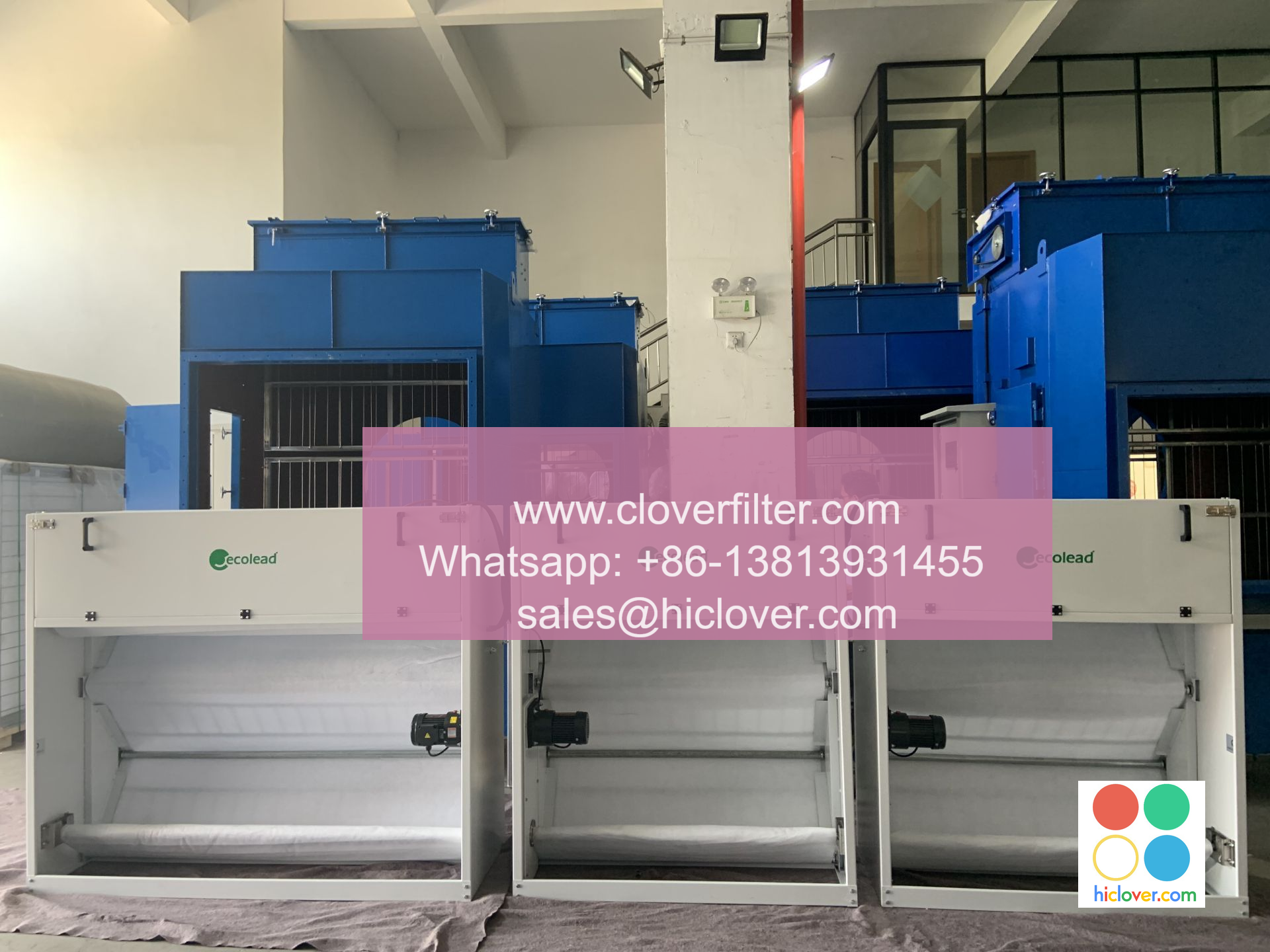
Automatic roll filters are advanced systems designed to capture airborne particles efficiently. Featuring a self-cleaning mechanism, these filters can operate continuously without interrupting the grain handling process. By utilizing flexible roll media, they effectively trap dust while allowing air to flow freely, ensuring optimal operating conditions within storage and processing facilities.

Key Applications in Alexandria Grain Handling
In Alexandria’s bustling grain handling industry, automatic roll filters are being deployed in various application areas:
-
Shipping and Receiving
During the shipping and receiving of grains, dust generation is at its peak. Automatic roll filters are crucial in these high-traffic zones, capturing dust as it is stirred up by the movement of grain, trucks, and equipment.
-
Storage Facilities
Grain storage facilities often face significant dust accumulation, which can affect the stored grain’s quality. By installing automatic roll filters, these facilities can maintain cleaner air, reducing the risk of contamination and ensuring the integrity of the grain.
-
Processing Units
In processing units where grains are milled or otherwise processed, dust is a constant challenge. The use of automatic roll filters can help maintain a healthy working environment, protecting workers from respiratory hazards and improving overall safety.
-
Agricultural Machinery
Automatic roll filters can also be integrated into agricultural equipment to minimize dust exposure while performing tasks like harvesting, further enhancing the efficiency and safety of operations in the field.
Benefits of Automatic Roll Filters
The adoption of automatic roll filters in Alexandria’s grain handling sector offers numerous advantages:
- Enhanced Air Quality: By capturing dust particles, these filters contribute to cleaner air, promoting a healthier environment for workers.
- Operational Efficiency: Automatic cleaning mechanisms reduce downtime, ensuring that grain handling operations run smoothly.
- Cost-Effective: With minimal maintenance needs and long service life, these filters provide a cost-effective solution for ongoing dust control needs.
- Regulatory Compliance: Automatic roll filters help facilities comply with health and safety regulations regarding airborne contaminants in the workplace.
Future Outlook
As grain handling in Alexandria continues to grow, the integration of technology like automatic roll filters will become a cornerstone of operational efficiency and workplace safety. The future of dust control is promising, with ongoing advancements poised to refine filtration technology, making it even more effective and easier to integrate into existing systems.
It looks like your message got cut off. Could you please provide more details or specify what you’d like to know or discuss? I’m here to help!
