The Future of Energy: Automatic Roll Intake in Nairobi’s Smart Grid Control Rooms
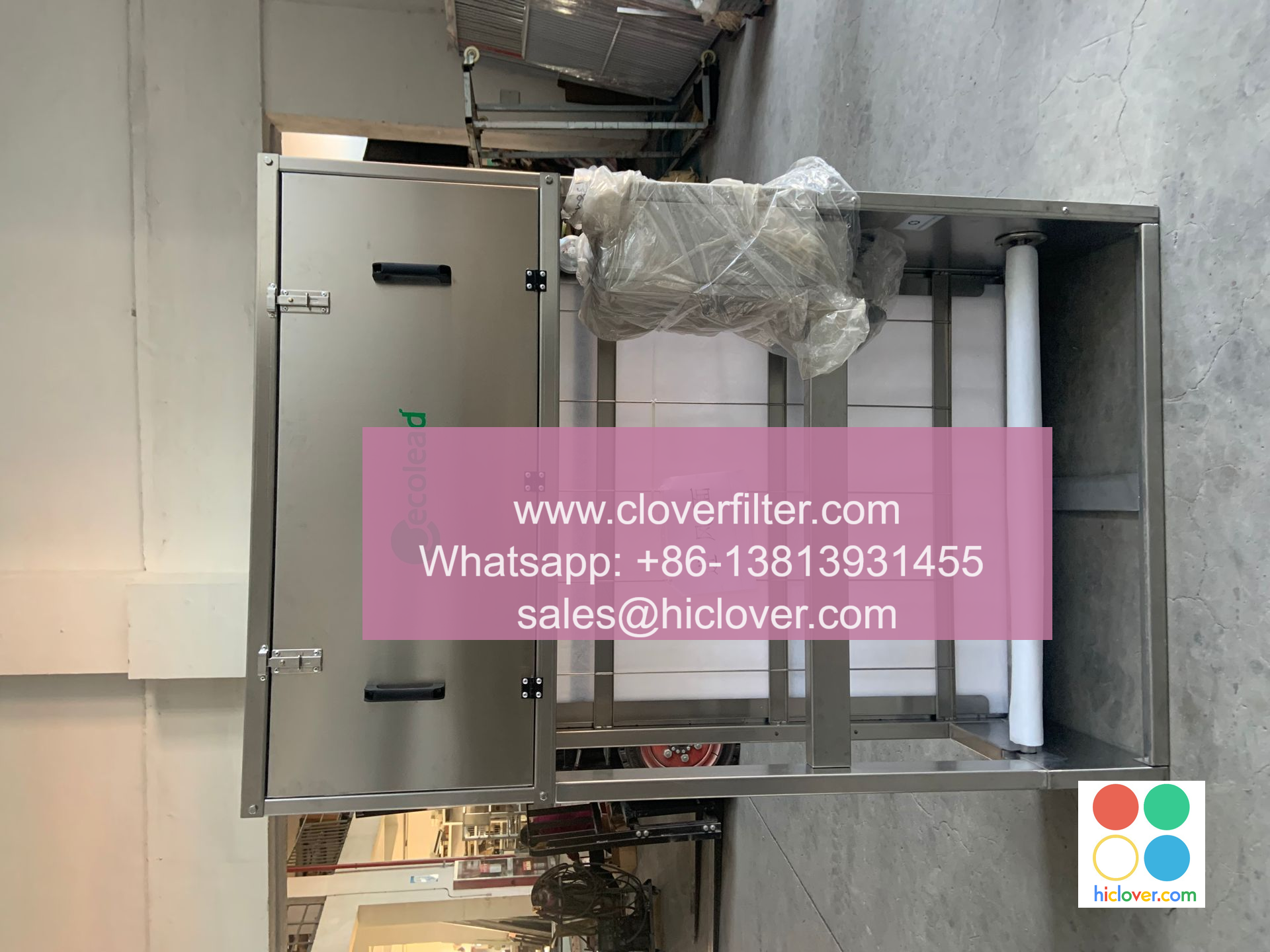
As the world increasingly shifts towards renewable energy and sustainability, cities like Nairobi are leading the charge with innovative solutions. One such advancement is the implementation of Automatic Roll Intake (ARI) systems in smart grid control rooms. This technology promises not just efficiency, but also reliability and sustainability in energy management.
What is Automatic Roll Intake?

Automatic Roll Intake refers to an advanced data acquisition system that enables real-time monitoring and management of energy resources. It utilizes a combination of sensors, artificial intelligence, and machine learning to optimize energy flow within the grid. In the context of Nairobi’s smart grid, ARI plays a crucial role in balancing supply and demand, facilitating quick responses to changes in energy usage.
Key Features of ARI in Nairobi’s Smart Grid
- Real-time Data Monitoring: Continuous tracking of energy consumption allows operators to adjust supply dynamically.
- Enhanced Forecasting: Predictive analytics help in anticipating energy needs based on historical data.
- Improved Reliability: Instantaneous identification of faults or failures leads to faster recovery and reduced downtime.
Application Areas of Automatic Roll Intake

1. Residential Sector
In Nairobi, ARI can optimize electricity distribution in residential areas by analyzing individual household consumption patterns, allowing for targeted energy-saving initiatives and more affordable energy billing.
2. Industrial Applications
Industries can benefit significantly from ARI through enhanced energy efficiency. By closely monitoring machinery usage and peak operational times, businesses can reduce waste and lower costs, ultimately contributing to sustainability.
3. Renewable Energy Integration
Nairobi has a growing emphasis on sustainable energy sources, such as solar and wind. ARI facilitates the integration of these renewable resources into the grid, ensuring that excess energy can be stored or redirected efficiently.
4. Public Infrastructure
Smart traffic lights, street lighting, and public transport can all be better managed with real-time data supplied by ARI, leading to reduced energy consumption and improved service reliability.
Benefits of Implementing ARI in Nairobi
The introduction of Automatic Roll Intake systems within Nairobi’s smart grid control rooms provides numerous benefits, including:
- Cost Savings: Efficient energy management leads to significant financial savings for both consumers and utility providers.
- Environmental Impact: Reduced reliance on fossil fuels and optimized energy usage directly contribute to lower carbon emissions.
- Empowered Consumers: With data-driven insights, residents can make informed decisions about energy use, further enhancing efficiency.
Challenges Ahead
While the potential of ARI in Nairobi is promising, challenges remain. These include the need for robust infrastructure, cybersecurity measures to protect sensitive data, and training for personnel in advanced data analytics. However, with the right investments and support from both public and private sectors, these challenges can be addressed effectively.
Conclusion
The future of energy in Nairobi is undoubtedly bright with the adoption of Automatic Roll Intake in smart grid control rooms. By improving the management of energy resources, not only can Nairobi pave the way for a more sustainable future, but it can also serve as a model for other cities globally. The integration of innovative technologies will surely shape how urban centers approach energy consumption and distribution in the years to come.
It looks like you might need some help with a prompt! Could you provide more details or specify the type of prompt you’re looking for? Whether it’s for writing, brainstorming ideas, or any other topic, I’m here to assist!
