The Future of Hospital Air Quality: Automatic Dust Filtration Solutions
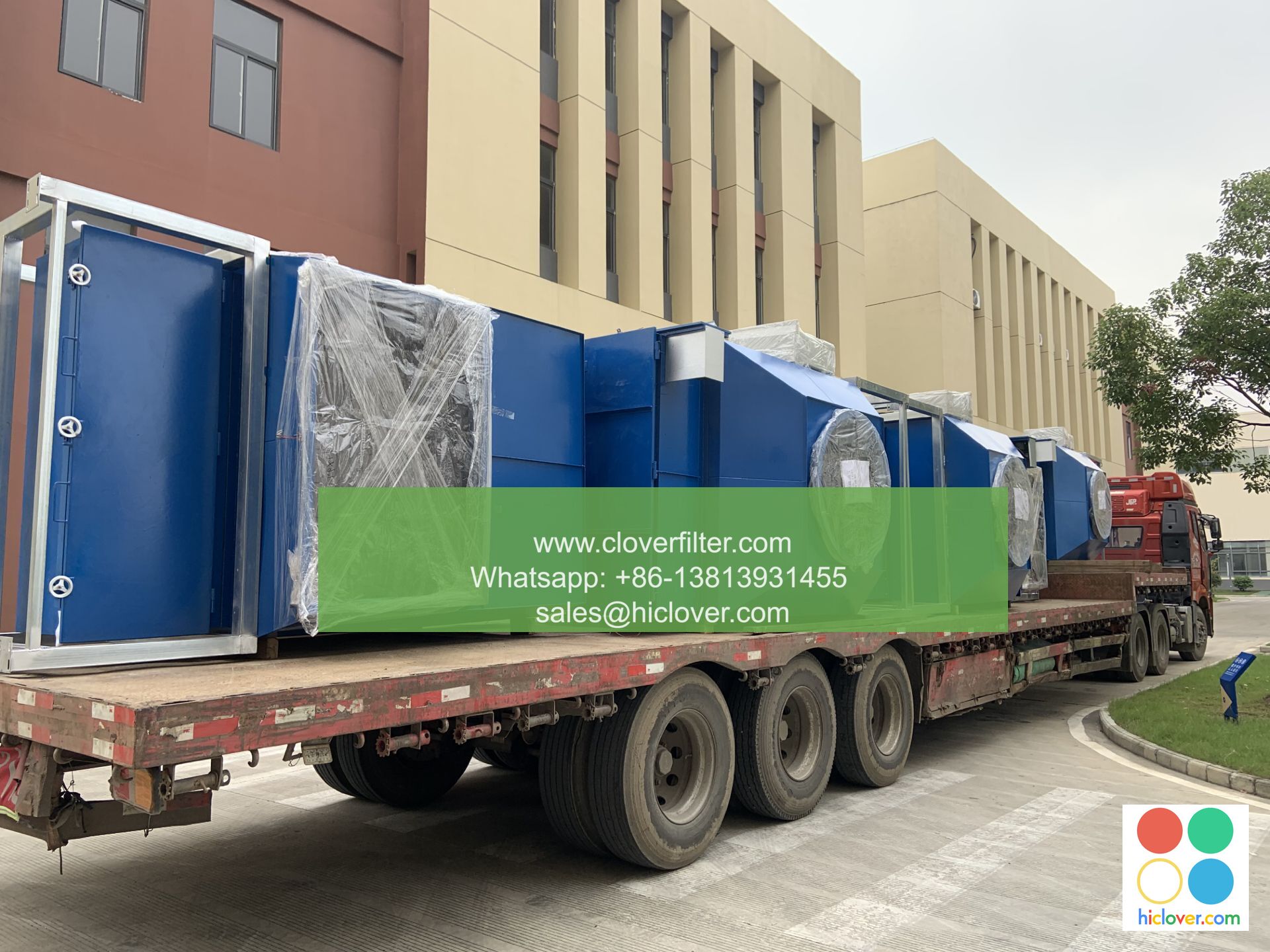
In the modern healthcare landscape, air quality has emerged as a crucial factor that influences patient safety, infection control, and overall health outcomes. With the increasing prevalence of airborne diseases, it is imperative for hospitals to adopt innovative solutions to maintain optimal air quality. One of the most promising advancements in this area is the development of automatic dust filtration solutions. This article explores how these advanced systems can revolutionize hospital environments, emphasizing their various application areas and benefits.
Understanding the Importance of Air Quality in Hospitals

Airborne contaminants in hospitals can pose significant risks to patients, staff, and visitors. Poor indoor air quality has been linked to increased rates of infection, complications during recovery, and even higher healthcare costs. Key contributors to poor air quality include:
- Dust and particulate matter
- Germs and bacteria
- Volatile organic compounds (VOCs) from cleaning agents
- Allergens
Hospitals must implement effective air filtration systems to combat these issues and create a safe environment for all.

What are Automatic Dust Filtration Solutions?
Automatic dust filtration solutions are advanced systems designed to continuously monitor and filter the air within healthcare facilities. Utilizing state-of-the-art technology, these systems can effectively remove harmful particles, allergens, and pathogens. Key features include:
- Automatic Monitoring: Sensors continuously track air quality and adjust filtration settings in real-time.
- High-Efficiency Particulate Air (HEPA) Filters: Capable of trapping 99.97% of particles, ensuring only clean air circulates.
- User-Friendly Interfaces: Easy-to-navigate controls for hospital staff to manage air quality without requiring extensive training.
- Integration with Building Management Systems (BMS): Seamlessly work alongside existing HVAC systems for enhanced efficiency.
Application Areas of Automatic Dust Filtration Solutions
1. Patient Rooms
Infection control is paramount in patient rooms. Automatic dust filtration systems will significantly reduce the presence of airborne pathogens. By ensuring high air quality, hospitals can:
- Decrease hospital-acquired infections (HAIs).
- Improve patient recovery rates.
- Enhance overall patient comfort.
2. Operating Rooms
The operating room is one of the most sensitive environments in a hospital. Here, even the slightest airborne contamination can have severe consequences. Automatic dust filtration solutions play a vital role in:
- Maintaining sterile environments.
- Reducing the risk of surgical site infections.
- Enhancing the performance of surgical teams by ensuring optimal air quality.
3. Waiting Areas
Waiting areas can be breeding grounds for airborne diseases due to the high volume of people. Automatic dust filtration can help:
- Reduce allergen levels.
- Improve air quality for patients and families awaiting treatment.
- Create a more pleasant experience for all visitors.
4. Laboratories
Clean rooms in laboratory settings must adhere to strict air quality standards. The adoption of automatic dust filtration systems can:
- Ensure the integrity of sensitive tests and research.
- Protect personnel from harmful contaminants.
- Comply with health and safety regulations.
The Benefits of Implementing Automatic Dust Filtration Solutions
The future of hospital air quality hinges on the implementation of automatic dust filtration technologies. The benefits include:
- Improved Patient Outcomes: By ensuring clean air, hospitals can reduce infection rates and promote quicker recoveries.
- Cost Savings: Fewer infections and complications lead to reduced healthcare costs over time.
- Enhanced Staff Satisfaction: A healthier environment increases staff morale and productivity.
- Regulatory Compliance: Meeting strict standards set by health organizations becomes more manageable with robust filtration systems.
Conclusion
As hospitals face growing challenges related to air quality, automatic dust filtration solutions stand out as a transformative innovation. By integrating these advanced systems into healthcare facilities, hospitals can significantly enhance air quality, ensure patient safety, and ultimately improve overall health outcomes. The investment in such technologies is vital for the future, not only for the healthcare system but also for the communities it serves. In a world where clean air is increasingly becoming a commodity, the adoption of automatic dust filtration solutions is a step towards ensuring a healthier future for all.
It seems like you are looking for a prompt, but I’m not sure which type you want. Here are a few categories of prompts that might inspire you:
### Creative Writing Prompt
– Write a story that begins with a character finding a mysterious key that unlocks a door to a world they never knew existed.
### Personal Reflection Prompt
– Reflect on a moment in your life that changed your perspective. What happened, and how did it affect you?
### Poetry Prompt
– Write a poem about the sound of rain and what memories it brings back to you.
### Dialogue Prompt
– Create a conversation between two characters who were once best friends but have drifted apart. What led to their distance, and can they reconnect?
### Art Prompt
– Create a piece of artwork that represents the concept of “home.” What colors, shapes, and images come to mind?
Feel free to let me know if you have a specific type of prompt in mind!
