The Future of Laboratory Design: UCLA’s Automatic Roll Air Filters
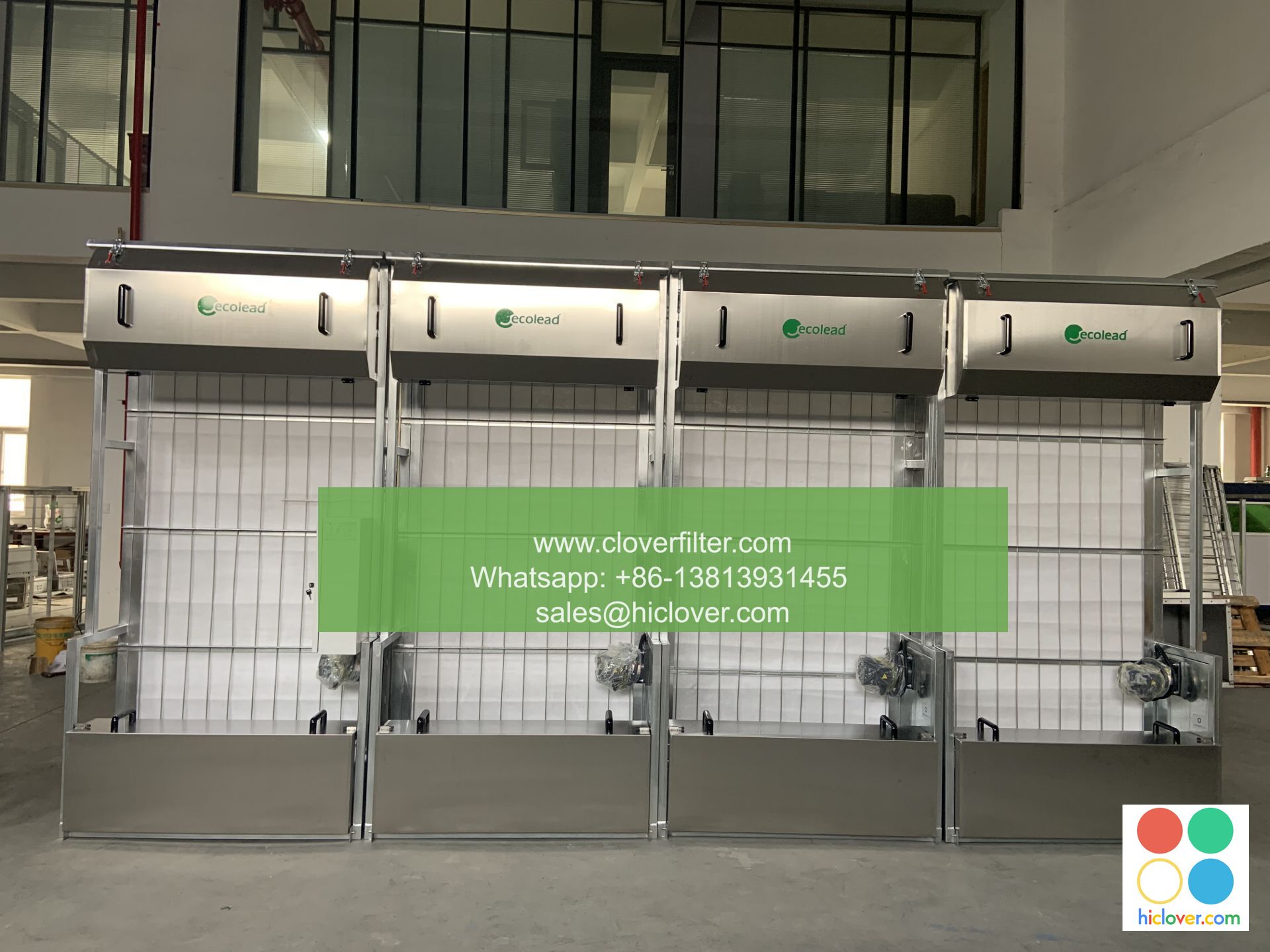
The landscape of laboratory design is evolving rapidly, driven by technological innovation and the increasing demand for clean and safe working environments. One of the most groundbreaking advancements is the introduction of automatic roll air filters developed by researchers at the University of California, Los Angeles (UCLA). This innovative solution is set to revolutionize laboratory environments across various fields, ensuring higher standards of air quality and operational efficiency.
Why Air Quality Matters in Laboratories

In laboratory settings, air quality plays a crucial role in ensuring both research integrity and staff safety. Contaminated air can lead to inaccurate results, potentially harmful chemical exposure, and inefficient workflows. As laboratories explore more complex experiments and technologies, the importance of maintaining optimal air quality becomes apparent.
The Technology Behind UCLA’s Automatic Roll Air Filters
UCLA’s automatic roll air filters are designed to provide a consistent and scalable air filtration solution. Unlike traditional static filters, these automated systems:
- Utilize a rolling mechanism that allows for easy replacement and maintenance,
- Automatically adjust filtration levels based on real-time air quality data,
- Feature advanced materials that maximize particle capture efficiency.
- Reduced operational costs due to lower energy consumption and manual maintenance,
- Improved safety and health outcomes for lab personnel,
- Enhanced research capabilities through consistent air quality management.

This technology aims to drastically reduce the need for manual intervention while ensuring that laboratories operate under controlled environments. By integrating these filters into the design of laboratory spaces, researchers can enhance productivity and safety.
Application Areas of Automatic Roll Air Filters
The versatility of UCLA’s automatic roll air filters lends itself to a variety of application areas, including:
1. Pharmaceutical Research
In pharmaceutical laboratories, maintaining stringent air quality standards is critical to avoid contamination of sensitive compounds. Automatic roll air filters can adapt to different stages of research, providing customizable air filtration that meets specific requirements.
2. Biosafety Laboratories
For labs handling infectious agents, enhanced air filtration is essential. These filters can significantly contribute to biosafety level requirements by ensuring that hazardous airborne particles are effectively removed together with maintaining a continuous flow of clean air.
3. Environmental Studies
Environmental scientists require precise control over air quality to gather accurate data. The automatic roll air filters can help in creating stable conditions for outdoor simulations and laboratory ecosystem models.
4. Academic Institutions
Academic laboratories can benefit from improved air quality, enhancing the learning and research experience for students and faculty. These filters allow institutions to invest in safer and more dynamic learning environments.
Looking Ahead: The Potential Impact on Laboratory Design
The integration of automatic roll air filters into laboratory design represents a significant leap toward creating more adaptive and efficient research environments. As laboratories continue to incorporate this technology, we can expect:
Conclusion
The future of laboratory design, highlighted by innovations like UCLA’s automatic roll air filters, promises a transformed landscape where air quality, efficiency, and safety are paramount. As more laboratories adopt such cutting-edge solutions, we can facilitate a new era of scientific discovery—one that prioritizes the health of both researchers and the environment.
