The Future of Leather Production: Introducing Automatic Roll Dust Control Filters
Overview of Leather Production
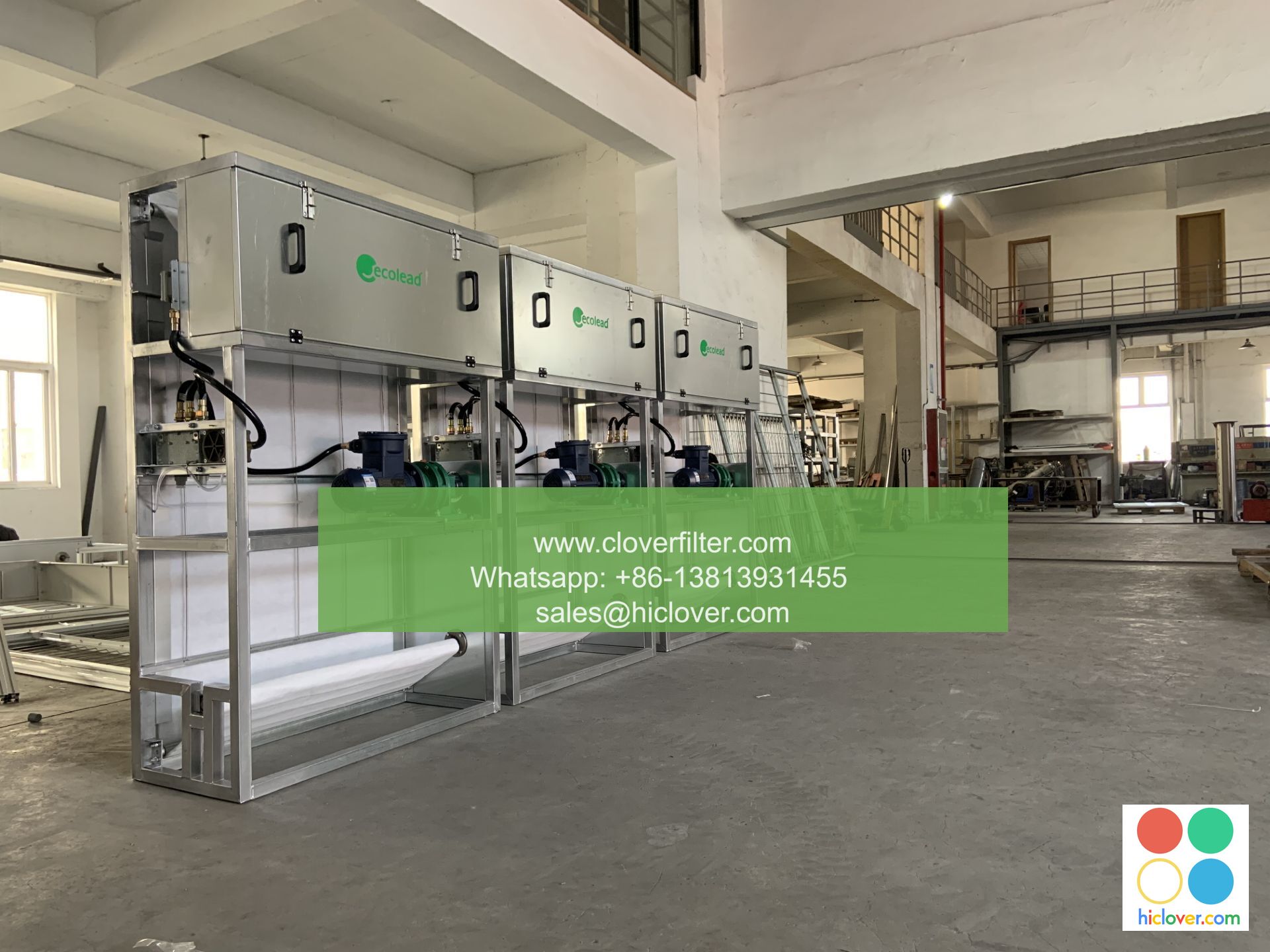
The leather industry has seen significant advancements in technology and sustainability practices in recent years. With a growing demand for environmentally friendly production methods, industry players are looking for innovative solutions to enhance both efficiency and sustainability. One such development making waves is the introduction of automatic roll dust control filters. These systems promise to revolutionize the way leather is produced, addressing key issues related to air quality and overall production efficiency.
Understanding Automatic Roll Dust Control Filters
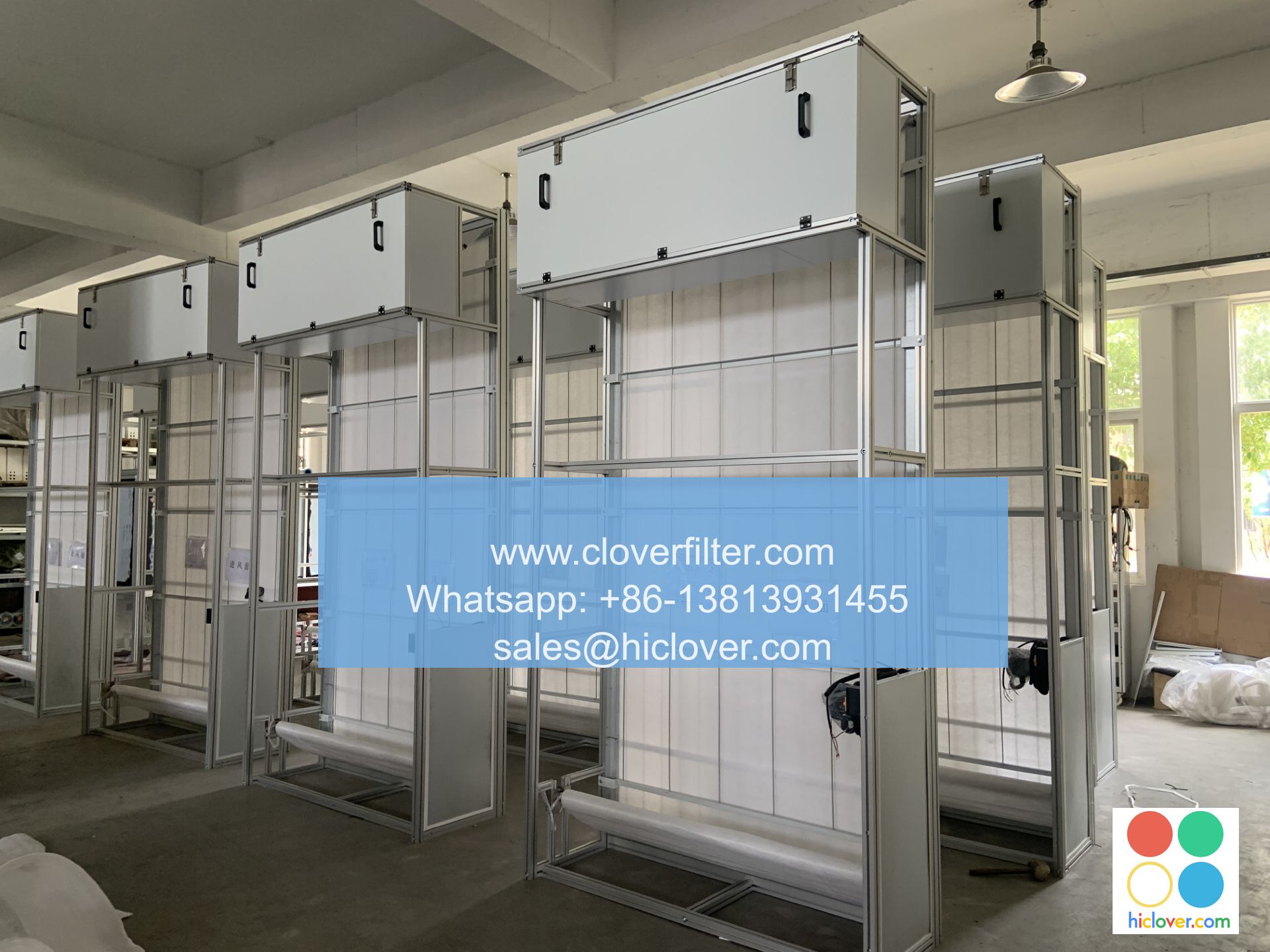
Automatic roll dust control filters are advanced filtration systems designed to minimize airborne contaminants generated during leather production processes. These filters are equipped with automated functionalities that optimize performance, ensuring that dust and particulates are effectively captured and filtered out before they can affect the quality of the leather or the air in the surrounding environment.
Key Features of Automatic Roll Dust Control Filters
- High Efficiency: These filters operate with a high degree of efficiency, ensuring minimal dust release during production.
- Automatic Operation: The automatic functionality reduces labor costs and enhances reliability, making them easy to integrate into existing production lines.
- Sustainability: By significantly reducing airborne contaminants, these filters contribute to a healthier environment, aligning with global sustainability goals.
Application Areas for Dust Control Filters in Leather Production
The introduction of automatic roll dust control filters has far-reaching implications across various application areas in leather production:
1. Tanning Processes
During the tanning process, many particulates can be released into the air. Filters can help reduce this pollution, making the process safer for workers and the environment.
2. Finishing and Coating
Finishing processes often involve materials that generate dust and volatile organic compounds (VOCs). Integrating dust control filters can improve air quality and compliance with environmental regulations.
3. Storage and Warehousing
Dust can accumulate in storage facilities, which is a significant concern for product integrity. Implementing these filters helps maintain cleanliness and enhances the longevity of leather goods.
4. Research and Development Labs
In R&D labs where new leather formulations are tested, maintaining an unobstructed atmosphere is crucial. Automatic roll dust control filters provide the necessary clean environment for innovative experimentation.
Long-term Benefits of Implementing Dust Control Filters
Integrating automatic roll dust control filters into leather production not only helps in maintaining compliance with regulations but also yields long-term benefits such as:
- Cost Savings: Reduced cleaning and maintenance costs can lead to significant savings over time.
- Enhanced Product Quality: Cleaner production environments lead to higher-quality leather products with fewer defects.
- Worker Health: Improved air quality contributes to a healthier workplace, reducing the incidence of respiratory issues among workers.
Conclusion
The future of leather production is poised for transformation with the integration of automatic roll dust control filters. By addressing critical challenges related to dust control, these systems not only enhance production efficiency but also promote sustainability and improved worker health. As the industry evolves, staying ahead of technological advancements will be essential for companies aiming to lead in this competitive market.
It seems like you entered “Prompt” without any additional context or questions. Could you please provide more details or specify what you would like assistance with? Whether you need help with a writing prompt, a question about a specific topic, or anything else, I’m here to help!
