The Future of Naval Support: Integrating Automatic Roll Filters in Mombasa
As global maritime activities continue to grow, the demand for enhanced naval support systems is on the rise. One innovative advancement poised to revolutionize naval operations is the integration of Automatic Roll Filters (ARFs). This technology promises improved vessel stability, safety, and operational efficiency. Mombasa, a central hub for maritime trade in East Africa, stands to benefit significantly from the implementation of ARFs. In this article, we will explore the future of naval support in Mombasa, focusing on automatic roll filters and their diverse application areas.
Understanding Automatic Roll Filters
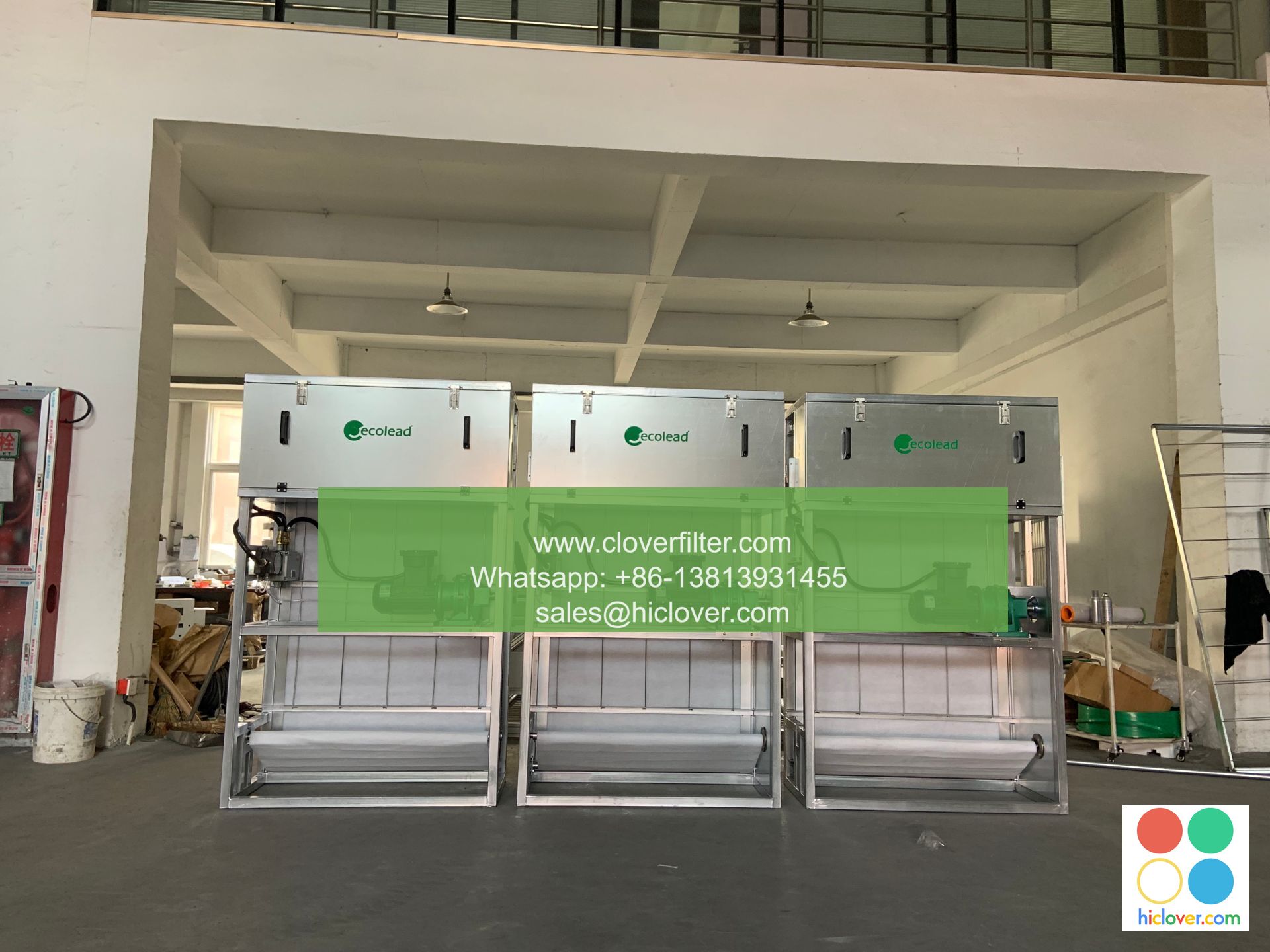
What Are Automatic Roll Filters?
Automatic Roll Filters are advanced systems designed to mitigate the effects of rolling motion in naval vessels. They utilize sensors, software algorithms, and hydraulic systems to actively counteract the forces that lead to vessel tilt. By automatically adjusting ballast and stabilizers, ARFs enhance the overall stability of ships, leading to safer and more efficient operations.
The Need for Stability in Naval Operations
Naval operations often occur in challenging environments characterized by turbulent waters and unpredictable weather. Ensuring the stability of vessels is paramount to minimizing the risk of accidents, protecting cargo, and safeguarding crew members. Automatic Roll Filters address this need by providing a responsive solution that significantly enhances vessel performance.
Benefits of Integrating ARFs in Mombasa
1. Enhancing Maritime Safety
One of the foremost benefits of implementing ARFs is the notable enhancement of maritime safety. By minimizing the rolling motion of ships, ARFs reduce the risk of capsizing and accidents. This is particularly crucial for Mombasa, where large container vessels and oil tankers navigate congested ports and narrow channels.
2. Improving Operational Efficiency
The integration of Automatic Roll Filters can lead to improved operational efficiency. With enhanced stability, vessels can maintain optimal speed and fuel efficiency, reducing operational costs. Port operators in Mombasa will find that reliable and stable ships lead to faster turnaround times and increased throughput, ultimately promoting economic growth in the region.
3. Supporting Diverse Application Areas
The applicability of ARFs spans various sectors within the maritime industry in Mombasa:
Commercial Shipping
For commercial shipping lines, ARFs can significantly enhance the safety and efficiency of container transport, enabling vessels to handle cargo more effectively during inclement weather.
Fisheries and Aquaculture
Fishing vessels, often subjected to rough conditions, can benefit from the stabilization offered by ARFs. This technology can improve catch quality and crew safety, thus supporting the vital fishing industry in coastal areas.
Tourism and Recreational Boating
With Mombasa’s picturesque coastline, tourism and recreational boating are critical sectors. ARFs can enhance passenger comfort and safety on ferries and leisure boats, encouraging more tourists to explore the region.
Naval Defense
For naval forces, ARFs can provide a tactical advantage during missions, ensuring that vessels maintain stability while executing complex maneuvers. This can lead to improved operational performance in coastal defense strategies.
Challenges and Considerations
While the future of naval support with Automatic Roll Filters is promising, certain challenges must be addressed:
- Initial Investment: Integrating ARF technology requires significant upfront investment, which may deter some smaller operators.
- Training and Maintenance: Proper training for crew members on the use of ARFs is essential to maximize their effectiveness. Additionally, ongoing maintenance will be necessary to ensure optimal performance.
Conclusion: Navigating Towards a Safer Future
The integration of Automatic Roll Filters in Mombasa represents a transformative step toward enhancing naval support systems across the maritime sector. By improving safety, operational efficiency, and providing diverse application areas, ARFs can significantly contribute to the growth of Mombasa’s economy. As the maritime industry continues to evolve, embracing advanced technologies like Automatic Roll Filters will be crucial in navigating the challenges ahead. In doing so, Mombasa can solidify its position as a leading maritime hub, fostering innovation and establishing new standards for safety and efficiency in naval operations.
It seems like your message is incomplete. Could you please provide more details or specify the prompt you’d like help with?
