The Future of Roll Filtration: Adapting Technologies for Remote Shelters
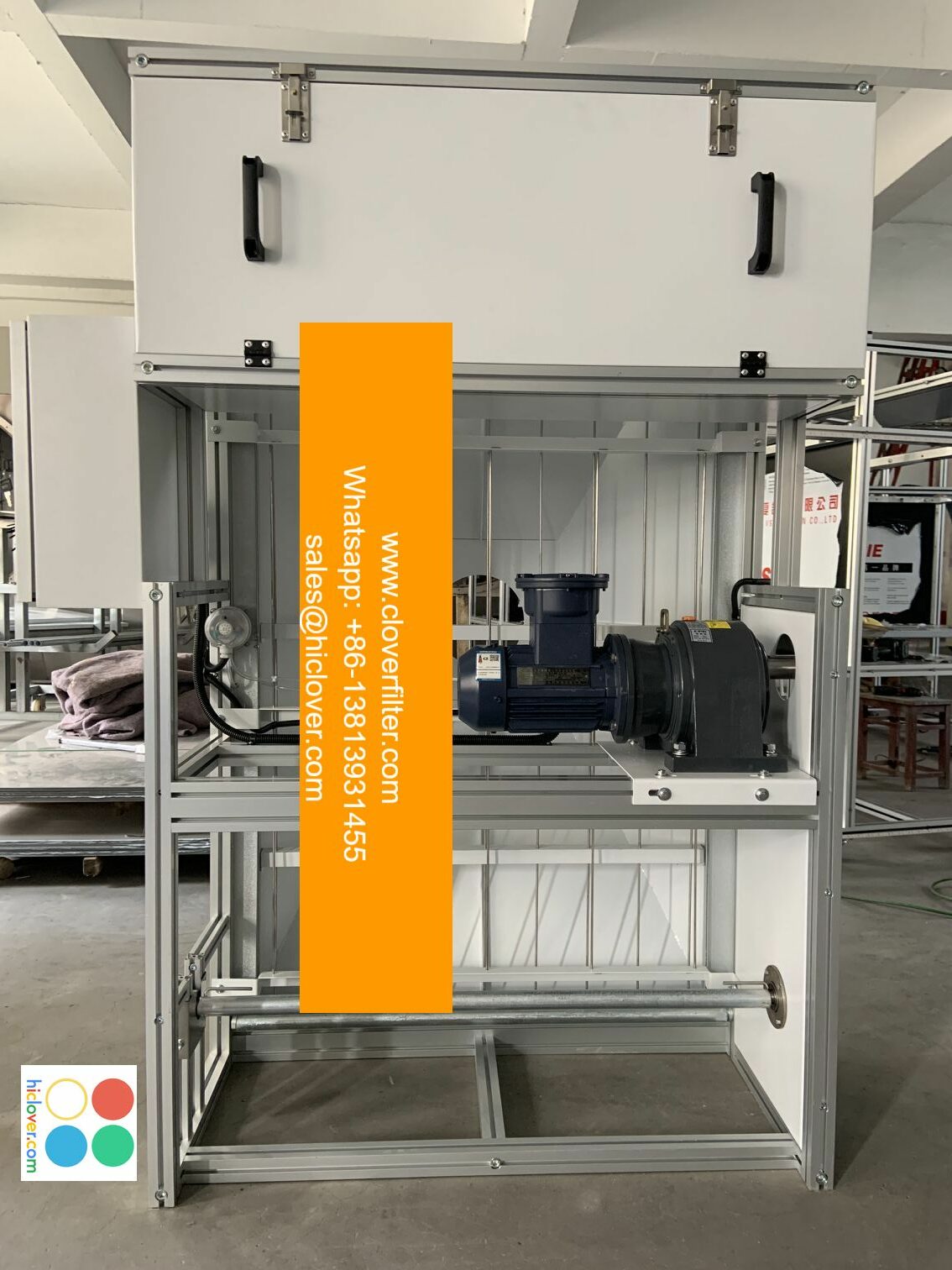
Introduction to Roll Filtration Technology

Roll filtration technologies have emerged as promising solutions for efficient fluid purification systems. By combining innovative material science and engineering, roll filtration provides a robust mechanism to filter out contaminants in various applications. As the need for sustainable and efficient solutions in remote shelters grows, adapting these technologies can significantly enhance the quality of resources, particularly water and air.
Key Applications of Roll Filtration in Remote Shelters
1. Water Purification
One of the primary applications of roll filtration in remote shelters is water purification. Many remote locations struggle with access to clean drinking water. Utilizing a roll filtration system can effectively remove sediments, pathogens, and other harmful contaminants from available water sources, ensuring safe consumption. Roll filtration membranes can be tailored to address specific pollutants, making them highly effective for various geographical challenges.
2. Air Quality Improvement

Improving indoor air quality is vital for maintaining health and well-being in remote shelters. Roll filtration technology can be integrated into ventilation systems to filter out dust, pollen, and other airborne particles. Advanced filter materials capable of trapping ultra-fine particulates can ensure a healthier living environment in isolated areas where outdoor air may be polluted.
3. Waste Management
Effective waste management is a critical concern in remote shelters, especially when population density increases. Roll filtration systems can process and separate solid waste, using mechanically operated rolls that extract methane or other useful byproducts during composting. This can reduce landfill dependency and enhance resource recovery, fostering a circular economy within confined spaces.
Technological Adaptations for Enhanced Efficiency
Future roll filtration technologies will likely incorporate advancements such as smart sensors and AI-driven analytics. These technologies can monitor filter performance in real-time, optimize maintenance schedules, and indicate when filters need to be replaced. Furthermore, advances in nanotechnology may lead to the development of even more effective filter materials that can capture a wider range of contaminants with reduced environmental impact.
Challenges and Considerations
Despite the clear benefits of roll filtration for remote shelters, several challenges must be addressed. The cost of advanced filtration systems can be significant, especially in underfunded areas. Additionally, constant training and education on maintaining and operating these systems are necessary to ensure long-term success. Lastly, the availability of sustainable resources for manufacturing filtration materials presents an ongoing concern that needs to be balanced with demand.
Conclusion
The adaptation of roll filtration technologies for remote shelters holds immense potential for improving the quality of life in isolated areas. By focusing on water purification, air quality improvement, and waste management, these innovative solutions can address the pressing challenges of resource management effectively. As technological advancements continue, a brighter and more sustainable future for remote shelters is within reach.
Of course! What would you like the prompt to be about? You can specify a theme, topic, genre, or any particular details you’d like included.
