The Future of Water Filtration in Kenya’s Government Laboratories
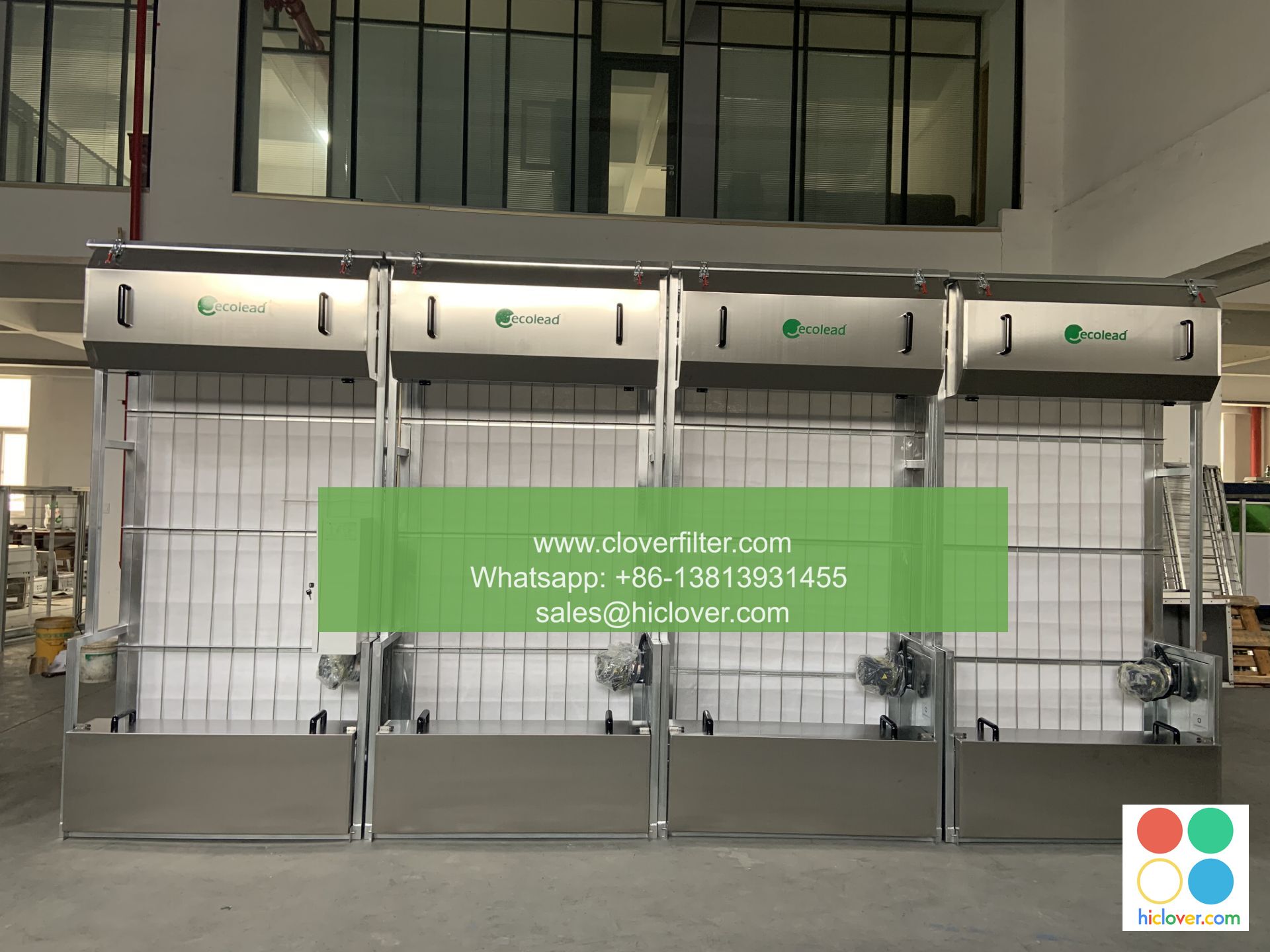
Water quality is a critical issue in Kenya, where access to clean water remains a significant challenge due to pollution, climate change, and rapid urbanization. As a result, the role of government laboratories in advancing water filtration technologies is more vital than ever. This article delves into the future of water filtration in Kenya’s government laboratories, highlighting various innovative technologies and application areas.

Current State of Water Filtration in Kenya
Kenya’s government laboratories are at the forefront of testing and developing water filtration technologies. Currently, traditional methods like sand filtration and chlorination are widely used, but they often fall short in effectively removing pathogens and contaminants. Furthermore, limited funding and resources hinder the adoption of advanced filtration systems.
Emerging Technologies for Water Filtration
As the demand for clean water grows, so does the need for innovative filtration technologies. Some of the promising advancements being explored in Kenya’s laboratories include:
1. Nanotechnology
Nano-sized materials can be utilized to create filters that capture contaminants at much smaller levels than conventional methods. Government laboratories are exploring the application of nanofiltration membranes capable of removing viruses, bacteria, and heavy metals from water.

2. Solar-Powered Filtration Systems
With abundant sunlight, Kenya is uniquely positioned to harness solar energy for water filtration. Government laboratories are researching solar-powered systems that utilize processes like reverse osmosis and UV treatment to purify water, particularly in rural areas with limited access to electricity.
3. Biofiltration
Utilizing natural organisms to filter water is gaining traction. Government initiatives are testing biofiltration techniques using plants and microorganisms to break down contaminants, effectively creating sustainable and eco-friendly filtration options.
Application Areas for Advanced Water Filtration
As new technologies emerge, their applications can revolutionize water management across various sectors in Kenya:
Agriculture
Clean water is crucial for agricultural productivity. Advanced filtration systems can ensure that irrigation water is free of pathogens and pollutants, resulting in healthier crops and higher yields.
Public Health
In the public health sector, implementing advanced filtration in water supply systems can significantly reduce waterborne diseases. Government laboratories have a critical role in developing standards and testing the efficacy of these technologies.
Industrial Use
Industries such as food processing require high-quality water for production. Collaborations between government laboratories and the private sector can foster the development and implementation of advanced filtration systems tailored for industrial applications.
Policy and Collaborative Efforts
For the future of water filtration to be successful in Kenya, it is essential to create supportive policies and engage in collaborative efforts. Partnerships between government, research institutions, private sectors, and NGOs can catalyze innovation and improve access to clean water across the nation.
Conclusion
As Kenya grapples with water scarcity and quality challenges, the future of water filtration in government laboratories is bright with potential. By embracing innovative technologies and fostering collaborations across various sectors, Kenya can pave the way for sustainable solutions that ensure access to safe drinking water for all its citizens.
Sure! What kind of prompt are you looking for? It could be for writing, art, a discussion topic, or something else entirely. Let me know how I can help!
