The Hidden Impact of Air Filter Production on Greenhouse Gas Emissions
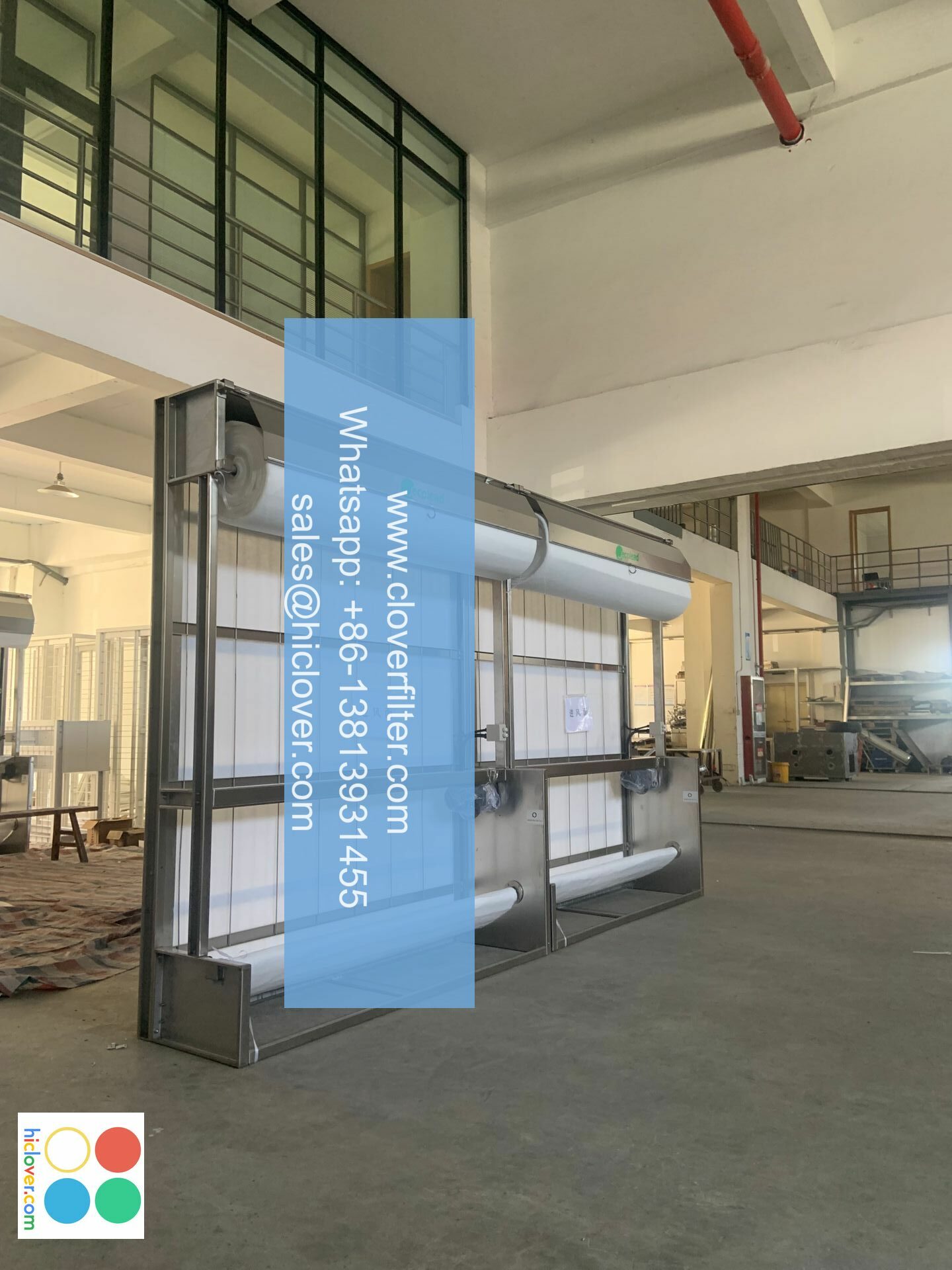
Key Takeaways:
- Air filter production contributes significantly to greenhouse gas emissions.
- The Automatic Roll Air Filter offers efficient particulate control with lower maintenance needs.
- Understanding air filter environmental impacts helps in making eco-conscious procurement choices.
- Selecting the right filter optimizes system performance and reduces operational costs.
- Compliance with standards like ISO 16890 can improve air quality.
- Real-world applications demonstrate the practical benefits of advanced air filtration.
- Airflow Range: Determine the required airflow rates in cubic feet per minute (CFM).
- Face Velocity: Understand the velocity of air passing through the filter, as it influences filter efficiency.
- Media Width/Length: Choose dimensions that fit your system while maximizing filter surface area.
- Frame Size: Ensure compatibility with existing equipment, considering the installation space.
- Control Options: Evaluate automation capabilities tailored to specific operational demands.
- Power Supply: Account for the electrical requirements for filter system operation.
- Installation Location: Identify whether the filter will serve fresh air intake, return air, or process applications.
- Underestimating Airflow Requirements: Ensure accurate calculations to avoid inadequate filtration.
- Neglecting Maintenance Schedules: Regular maintenance is key; set reminders.
- Overlooking Pressure Drop Impacts: Understand how pressure affects system efficiency.
- Choosing Inappropriate Media Types: Select filters specifically designed for your application.
- Ignoring Environmental Standards: Keep updated on relevant compliance frameworks.
- Failing to Evaluate Lifecycle Costs: Consider not just initial costs, but long-term operational expenses.
- Misunderstanding Installation Requirements: Ensure proper fitting to avoid air bypass issues.
- Skipping Quality Checks: Assess quality and compatibility with existing systems before purchase.
-
Data Center: A major tech company implemented CloverFilter’s Automatic Roll Air Filter to maintain optimal conditions. The result was a 20% reduction in energy usage, along with increased uptime due to minimal maintenance.
-
Battery Factory: In a lithium battery manufacturing facility, the introduction of an Automatic Roll Air Filter significantly improved air quality, enhancing worker safety and ensuring a more efficient manufacturing process.
-
Paint Shop: A paint booth utilizing CloverFilter’s advanced filtration technology experienced reduced VOC levels, complying with environmental regulations while ensuring a cleaner workspace.
-
Textile/Steel/Cement Plant: An integrated facility upgraded their air filtration system with an Automatic Roll Air Filter, resulting in lower particulate fallout and reduced maintenance downtime, boosting operational efficiency.
Understanding Air Filter Environmental Impact
In today’s industrial environments, the air filter environmental impact is often overlooked amid the rush to enhance performance and compliance. However, the production of air filters can significantly contribute to greenhouse gas emissions, which poses a challenge for environmentally-conscious procurement managers and facility engineers. Delving into this topic not only helps illuminate the hidden costs associated with air filtration but also emphasizes the importance of choosing efficient systems like the Automatic Roll Air Filter offered by CloverFilter.

What is an Automatic Roll Air Filter?
An Automatic Roll Air Filter is a type of HVAC filter that utilizes a roll media mechanism to continuously provide clean air. When particulate matter accumulates on the filter media, the differential pressure trigger engages a motorized mechanism that advances the clean media, allowing for consistent airflow without manual replacement. Equipped with timer mode settings, this system can automatically operate during peak hours of production or maintenance intervals for optimal efficiency.
These systems are primarily installed in HVAC/AHU systems serving various applications, including factories, data centers, and cleanrooms, ensuring a reliable supply of filtered air.
Practical Selection Guide for Air Filters
When selecting an air filter, several factors should be considered:
Comparing Air Filter Types
| Filter Type | Best Use Case | Maintenance | Pressure Drop Behavior | Operating Cost | Typical Risk/Downside |
|---|---|---|---|---|---|
| Automatic Roll Air Filter | High-traffic HVAC systems | Low | Low | Moderate | Initial investment cost |
| Bag Filter | Industrial applications | Moderate | Moderate | High | Frequent adjustments for new bags |
| Panel Filter | General-purpose HVAC | High | Moderate | Low to moderate | Lower filtration efficiency |
| V-bank | Large air volume applications | Moderate | High | High | Space-consuming installation |
Common Mistakes & How to Avoid Them
Real-World Scenarios
Common Standards and Compliance
While specific certifications can vary, many filters, including CloverFilter systems, are designed to align with industry standards such as ISO 16890 and the legacy EN 779. These frameworks provide a general understanding of particulate filtration performance, ensuring you select a system that adheres to best practices in air quality management. However, specific certifications may be available upon request.
FAQ Section
Q1: What is the primary advantage of using an Automatic Roll Air Filter?
A1: The primary advantage is its low maintenance needs combined with high filtration efficiency, making it ideal for environments with heavy air traffic.
Q2: How does an Automatic Roll Air Filter affect energy consumption?
A2: By maintaining consistent airflow and reducing pressure drops, this filter can lead to overall energy savings.
Q3: Can CloverFilter’s products comply with ISO 16890?
A3: Yes, many of CloverFilter’s products are designed to meet the requirements of ISO 16890. Specifics can be requested.
Q4: How often should Automatic Roll Air Filters be changed?
A4: Frequency depends on usage and air quality. However, great maintenance features reduce the need for frequent changes.
Q5: What types of facilities benefit from using an Automatic Roll Air Filter?
A5: Facilities such as hospitals, data centers, cleanrooms, and manufacturing plants can benefit greatly from these advanced filters.
Q6: How do environmental impacts vary between different air filter types?
A6: Air filter environmental impacts vary based on production methods, materials used, and energy consumption throughout their lifecycle.
Conclusion
Understanding the hidden impacts of air filter production on greenhouse gas emissions is crucial for those responsible for procurement in industrial environments. By making informed choices, such as opting for CloverFilter’s Automatic Roll Air Filter, you maximize efficiency and minimize your environmental footprint.
For more information on optimizing your air filtration system, visit CloverFilter at CloverFilter or reach out through our contact page for personalized assistance.
Meta Description: Discover the hidden impact of air filter production on greenhouse gas emissions and how CloverFilter’s Automatic Roll Air Filter can optimize efficiency.
It seems like your message was cut off. Could you please provide more details or specify what you’re looking for? Whether it’s a question, topic for discussion, or something else, I’m here to help!
