The Hidden Savings: Understanding the Cost Benefits of Air Filters
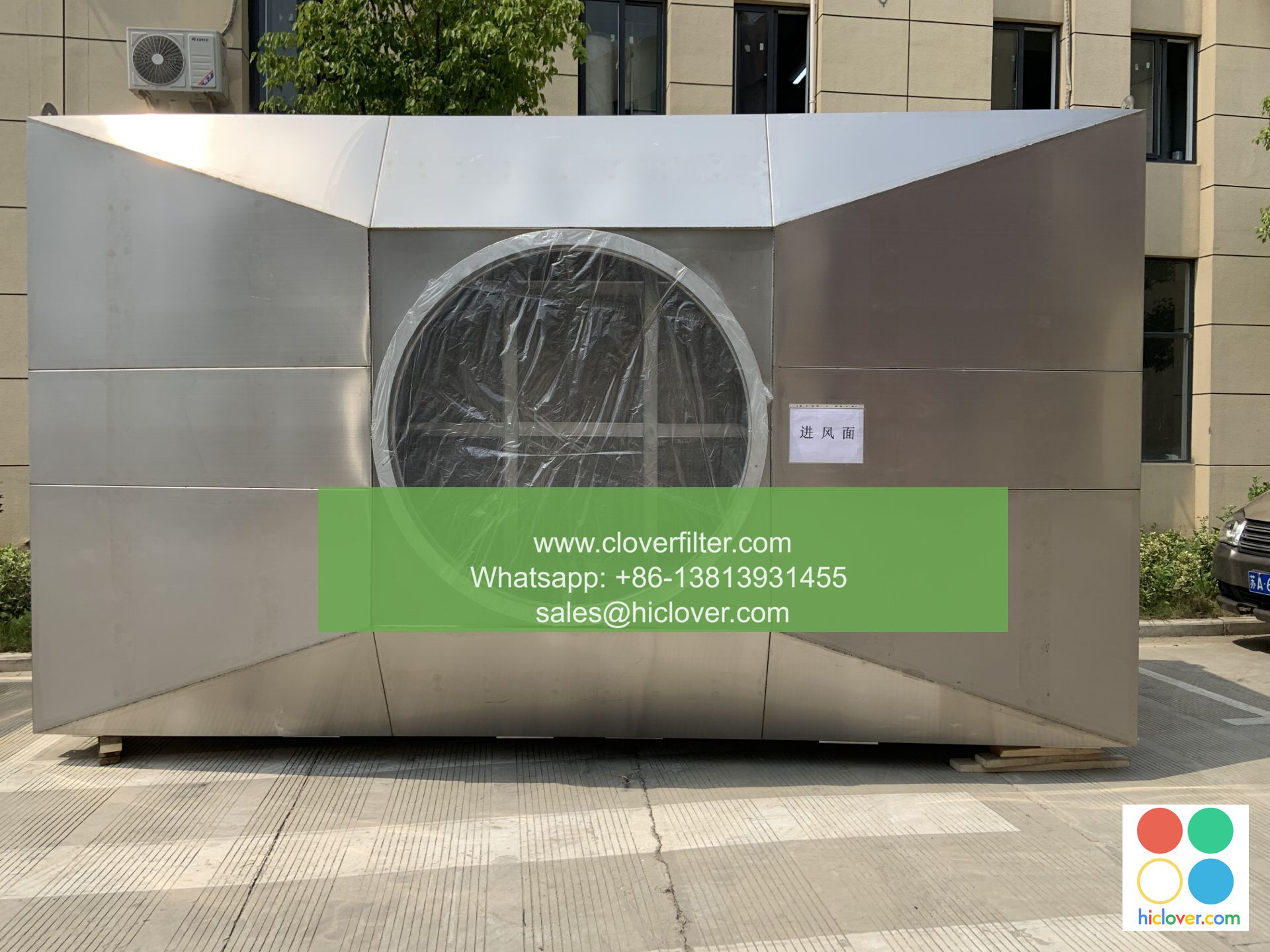
- Key Takeaways:
- Automatic Roll Air Filters enhance air quality while minimizing operational costs.
- Air filter cost savings include reduced energy consumption and maintenance expenses.
- Investing in quality filters improves compliance with industry standards like ISO 16890.
- Regular monitoring of differential pressure is crucial for optimal performance.
- Proper selection based on airflow and frame size can boost efficiency.
- Advanced features like timer modes can automate maintenance schedules.
What is an Automatic Roll Air Filter?

An Automatic Roll Air Filter is a modern filtration solution designed for HVAC systems, featuring a unique roll media mechanism. This technology allows for continuous filtration where dirty media is rolled up and replaced by clean media automatically. The filter operates based on differential pressure triggers that indicate when the filtration material is saturated and needs replacement. Many systems also incorporate timer modes for scheduled media changes, enhancing convenience and efficiency.
Automatic Roll Air Filters are ideal for various environments, including factories, cleanrooms, data centers, and even large commercial HVAC applications. They fit seamlessly into HVAC and AHU systems, ensuring that fresh air intake remains unobstructed while providing effective particulate control.
The Mechanisms Behind Cost Savings
Understanding the air filter cost savings associated with Automatic Roll Air Filters involves recognizing several mechanisms. These filters contribute to cost reductions in the following ways:
- Reduced Energy Consumption: When clean filters are maintained, HVAC systems do not need to work as hard, which translates into lower energy bills.
- Maintenance Reduction: The automation of media replacement lowers the labor costs and downtime associated with manual cleaning and replacing of filters.
- Extended Equipment Lifespan: Cleaner air and regulated airflow can reduce wear on crushers, blowers, and other machinery, leading to longer equipment lifespans.
- Compliance and Standards: Investing in high-quality air filters can help facilities meet regulatory standards without incurring additional costs for remediation or fines.
- Airflow Range: Ensures the filter meets the demands of your HVAC system.
- Face Velocity: Affects the filter’s efficiency; balance is key.
- Media Width/Length: Determines the amount of coverage per filter unit.
- Frame Size: Must fit into available housing without gaps.
- Control Options: Look for features like differential pressure indicators and automated controls.
- Power Supply: Ensure compatibility with existing systems.
- Installation Location: Considerations for placement in fresh air intakes, return air, or specific process areas.
- Ignoring system specifications: Always check airflow requirements.
- Opting for lower quality filters: Quality impacts longevity and performance.
- Failing to monitor differential pressure: Regular checks are necessary.
- Inadequate installation: Properly fit filters to prevent air bypass.
- Neglecting maintenance schedules: Stick to timelines for media change.
- Assuming all filters are the same: Different environments require different types.
- Not considering automation features: Automating reduces human error and labor needs.
-
Data Center: A major data center implemented the Automatic Roll Air Filter and saw a 20% reduction in energy costs due to improved airflow and efficiency during peak loads.
-
Battery Factory: In a lithium battery manufacturing facility, the installation of these filters reduced particulate contamination, enhancing product quality and minimizing rework costs.
-
Paint Shop: A paint manufacturing plant benefited from the roll filter’s ability to maintain clean air, resulting in a 15% decrease in paint defects related to air quality.
-
Textile/Cement Plant: In a textile mill, switching to Automatic Roll Air Filters led to a noticeable improvement in air quality and compliance, while reducing overall operational costs.

Selection Guide for Optimal Performance
When selecting an Automatic Roll Air Filter, it’s crucial to consider the following aspects:
Comparison of Filter Types
| Filter Type | Best Use Case | Maintenance | Pressure Drop Behavior | Operating Cost | Typical Risk/Downside |
|---|---|---|---|---|---|
| Automatic Roll Air Filter | High-volume airflow applications | Low with automation | Low to moderate | Moderate | Initial investment cost |
| Bag Filter | Dust-heavy environments | Moderate | High | Moderate | Requires frequent replacement |
| Panel Filter | General purpose | Low | Low | Low | Less efficient for high loads |
| V-bank | Space-constrained areas | Moderate | Moderate | High | Needs careful monitoring |
Common Mistakes & How to Avoid Them
Real-World Scenarios
FAQ Section
Q1: How do Automatic Roll Air Filters save money?
A1: They reduce energy consumption, maintenance costs, and support longer equipment life.
Q2: What types of environments are suitable for these filters?
A2: They are applicable in factories, cleanrooms, data centers, and hospitals.
Q3: Are all air filters the same?
A3: No, different filters serve different purposes and environments, impacting efficiency and cost.
Q4: How often should I change the filter media?
A4: It depends on the differential pressure readings and the specific usage environment.
Q5: Can I automate the filter replacement?
A5: Yes, many Automatic Roll Air Filters come with automation features for easier maintenance.
Q6: What standards should I consider?
A6: Industry compliance often relates to ISO 16890 and MERV standards, but specific certifications should be confirmed with manufacturers.
Investing in a high-quality filtration system, like the Automatic Roll Air Filter from CloverFilter, can lead to substantial air filter cost savings while ensuring a safe, compliant environment. For inquiries or assistance, visit CloverFilter today.
Meta Description: Learn how Automatic Roll Air Filters can lead to significant air filter cost savings in various industrial applications while enhancing air quality.
It seems you may have missed providing a specific prompt or question. Could you please let me know what you’d like help with? Whether it’s a topic, a question, or anything in particular, I’m here to assist!
