The Impact of Air Filter Alliances on Public Health
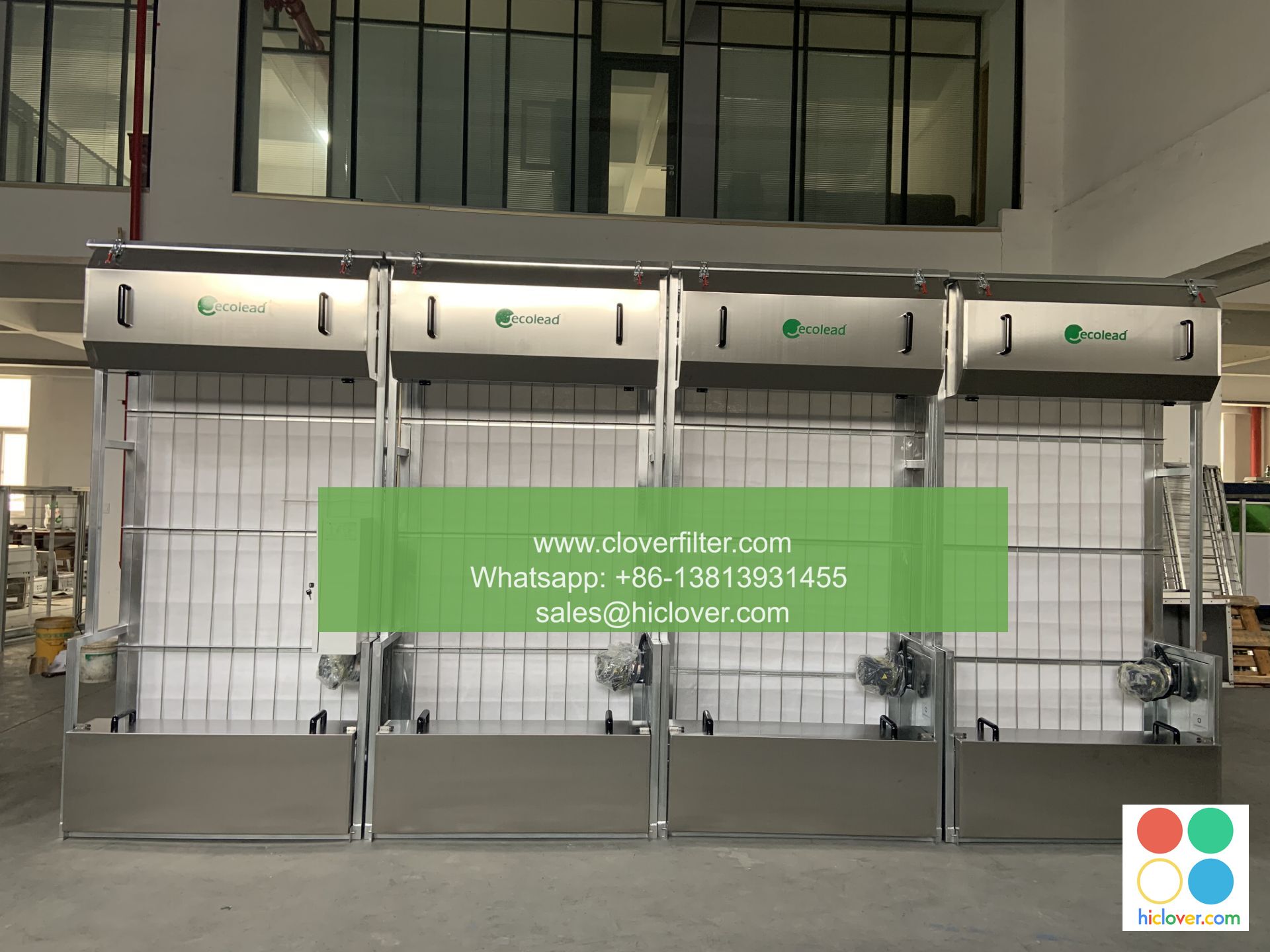
Air quality is a critical determinant of public health, influencing everything from respiratory diseases to cardiovascular conditions. With the growing concern over air pollution, Air Filter Alliances have emerged as collaborative networks aimed at improving air quality through the development and distribution of advanced air filtration technologies. This article explores the significant impact these alliances have on public health, highlighting various application areas such as residential spaces, industrial environments, and urban planning.
Understanding Air Filter Alliances

Air Filter Alliances are coalitions of manufacturers, researchers, policymakers, and health professionals who work together to promote the use of effective air filtration technologies. Through shared resources and expertise, these alliances aim to:
- Improve the efficiency of air filters.
- Increase public awareness about air quality issues.
- Advocate for regulations that mandate air quality standards.
- Promote sustainable technologies that reduce the carbon footprint associated with traditional air filters.
Application Areas of Air Filter Alliances

1. Residential Spaces
In homes, the use of high-efficiency particulate air (HEPA) filters is proven to significantly reduce indoor air pollutants, including dust, pollen, pet dander, and mold spores. Air Filter Alliances have focused on educating homeowners about the importance of air filtration.
Key Benefits:
- Reduced incidence of allergies and asthma.
- Improved overall indoor air quality, resulting in better health outcomes for families.
2. Industrial Environments
Industrial sites often produce harmful emissions that can severely impact surrounding communities’ health. Air Filter Alliances play a crucial role in developing specialized filters that can capture volatile organic compounds (VOCs) and particulate matter (PM).
Key Benefits:
- Lower emission levels from factories.
- Enhanced worker safety and health conditions.
- Compliance with environmental regulations, reducing potential health risks for nearby populations.
3. Urban Planning and Public Spaces
With an increasing number of people living in urban areas, the need for effective air quality management has become paramount. Air Filter Alliances can provide guidance and technology to city planners for implementing air filtration systems in public spaces, transportation hubs, and schools.
Key Benefits:
- Cleaner air in densely populated areas, leading to reduced asthma and respiratory problems among the urban population.
- Increased public awareness about air pollution and the importance of air quality.
The Role of Technology in Air Filter Alliances
Technological advancement has been a cornerstone for Air Filter Alliances. Innovations such as ultraviolet (UV) light filtration, electronic air cleaners, and nanofiber technology have the potential to enhance the performance of air filters significantly.
Key Innovations:
- Smart filters that can monitor indoor air quality and self-adjust.
- Biodegradable filters that reduce environmental waste.
- Active filters that not only capture pollutants but also neutralize them.
Challenges Faced by Air Filter Alliances
Despite the positive impacts, Air Filter Alliances face several challenges:
- Limited public awareness: Many people remain unaware of how air quality affects health.
- Funding and resources: Securing funding for research and development can be difficult.
- Standards and regulations: Establishing universally accepted standards for air filters is a complex task.
Conclusion
The increasing prevalence of air pollution presents a significant public health challenge, but Air Filter Alliances offer a promising solution. By fostering collaboration between various stakeholders and focusing on innovative technologies, these alliances can lead to substantial improvements in air quality. This, in turn, can have a profound positive impact on public health, particularly in residential areas, industrial settings, and urban environments.
As air quality continues to dominate public health discussions, the role of Air Filter Alliances will be vital in shaping a healthier future for all. By educating the public and advocating for effective policy changes, these alliances will undoubtedly play a critical role in combatting the pervasive threat of air pollution.
It looks like your message got cut off. Could you please provide more details or clarify what you’re looking for? Whether it’s a story prompt, a question, or something else, I’m here to help!
