The Impact of Air Filter Components on Energy Efficiency

The Impact of Air Filter Components on Energy Efficiency
Introduction
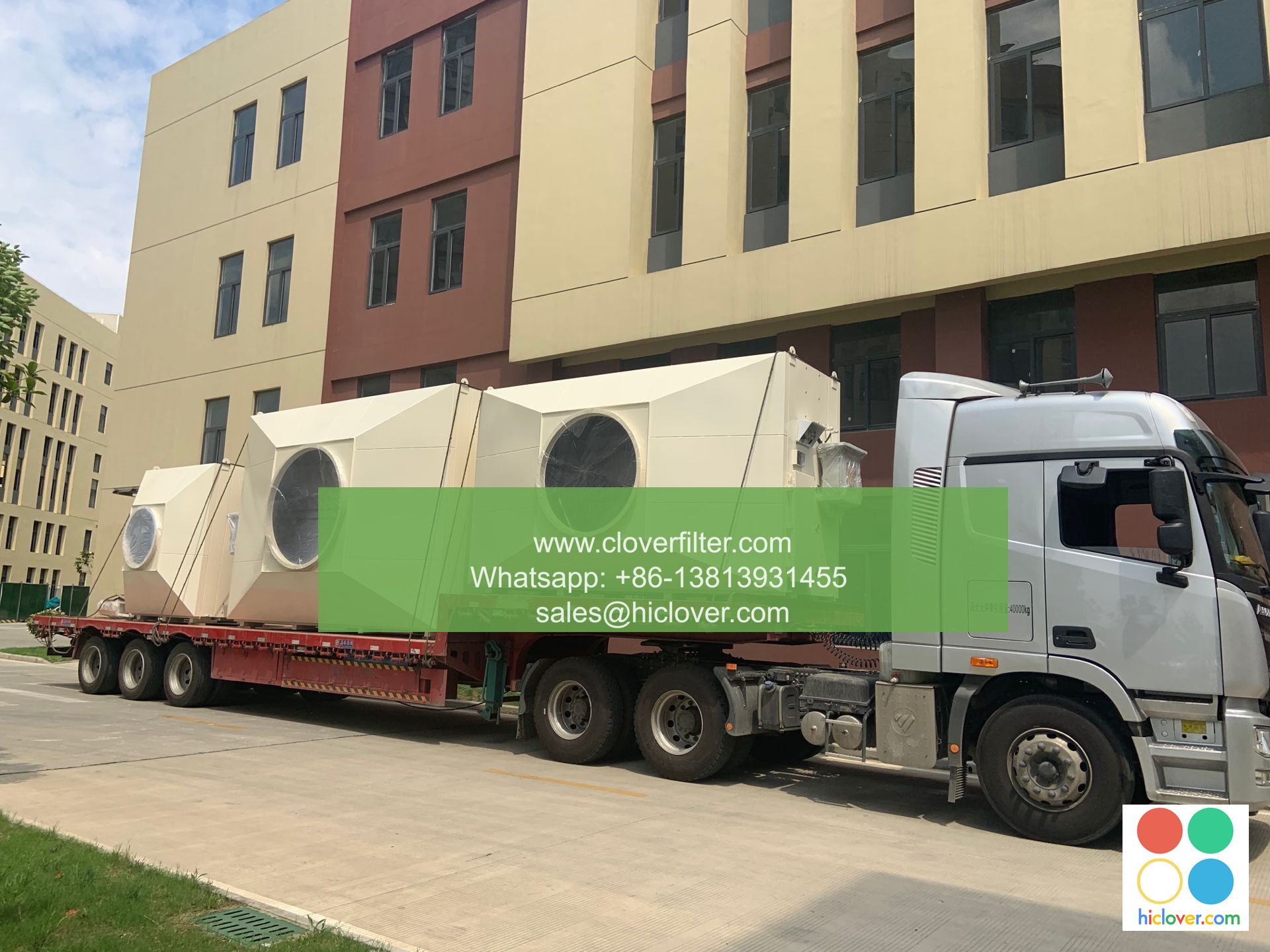
Air filters play a crucial role in maintaining the efficiency and performance of various systems, from air conditioning and ventilation systems to industrial processes and data centers. The components of an air filter can significantly impact its energy efficiency, and therefore, its overall performance. In this article, we will explore the impact of air filter components on energy efficiency and highlight various application areas where efficient air filtration is crucial.
The Role of Filter Media in Energy Efficiency
Filter media is the core component of an air filter, responsible for capturing contaminants and pollutants from the air. The choice of filter media can significantly impact energy efficiency. For instance, high-capacity filters with optimal filter media can reduce energy consumption by up to 25% by minimizing the need for frequent replacements and maintenance. In contrast, low-quality filter media can lead to increased energy consumption due to frequent cleaning and replacement.
The Importance of Frame Materials and Construction

The frame material and construction of an air filter can also impact energy efficiency. For example, filters with a sturdy steel frame can improve airflow and reduce energy consumption by up to 10%. Similarly, filters with a modular design can be easily customized to fit specific application requirements, reducing energy consumption by up to 15%.
The Impact of Sealing and Gaskets on Energy Efficiency
Sealing and gaskets are critical components of an air filter, as they ensure a tight seal around the frame and prevent air leakage. High-quality sealing and gaskets can reduce energy consumption by up to 5% by minimizing air bypass and maximizing airflow.
Application Areas for Efficient Air Filtration
Efficient air filtration is critical in various application areas, including:
- Data Centers: High-capacity filters with optimal filter media can ensure efficient data center cooling, reducing energy consumption and increasing server uptime.
- Industrial Processes: Filters with sturdy steel frames and modular designs can improve airflow and reduce energy consumption in industrial processes, such as power generation and manufacturing.
- HVAC Systems: High-quality filters with precise sealing and gaskets can reduce energy consumption by up to 15% in heating, ventilation, and air conditioning (HVAC) systems.
- Aerospace: Lightweight and compact filters with high-capacity filter media can ensure efficient air filtration in aerospace applications, reducing energy consumption and increasing system reliability.
Conclusion
The impact of air filter components on energy efficiency is undeniable. By choosing the right filter media, frame materials, and sealing and gaskets, organizations can reduce energy consumption, minimize maintenance, and improve overall system performance. As application areas continue to evolve, it is crucial to prioritize efficient air filtration to ensure optimal energy efficiency and performance.
Key Takeaways
- Filter media can reduce energy consumption by up to 25% by minimizing the need for frequent replacements and maintenance.
- Frame materials and construction can improve airflow and reduce energy consumption by up to 10%.
- Sealing and gaskets can reduce energy consumption by up to 5% by minimizing air bypass and maximizing airflow.
- Efficient air filtration is critical in various application areas, including data centers, industrial processes, HVAC systems, and aerospace.
I’m ready! What would you like to talk about or do?
