The Impact of Air Filter Data on Indoor Air Quality in Industrial Facilities
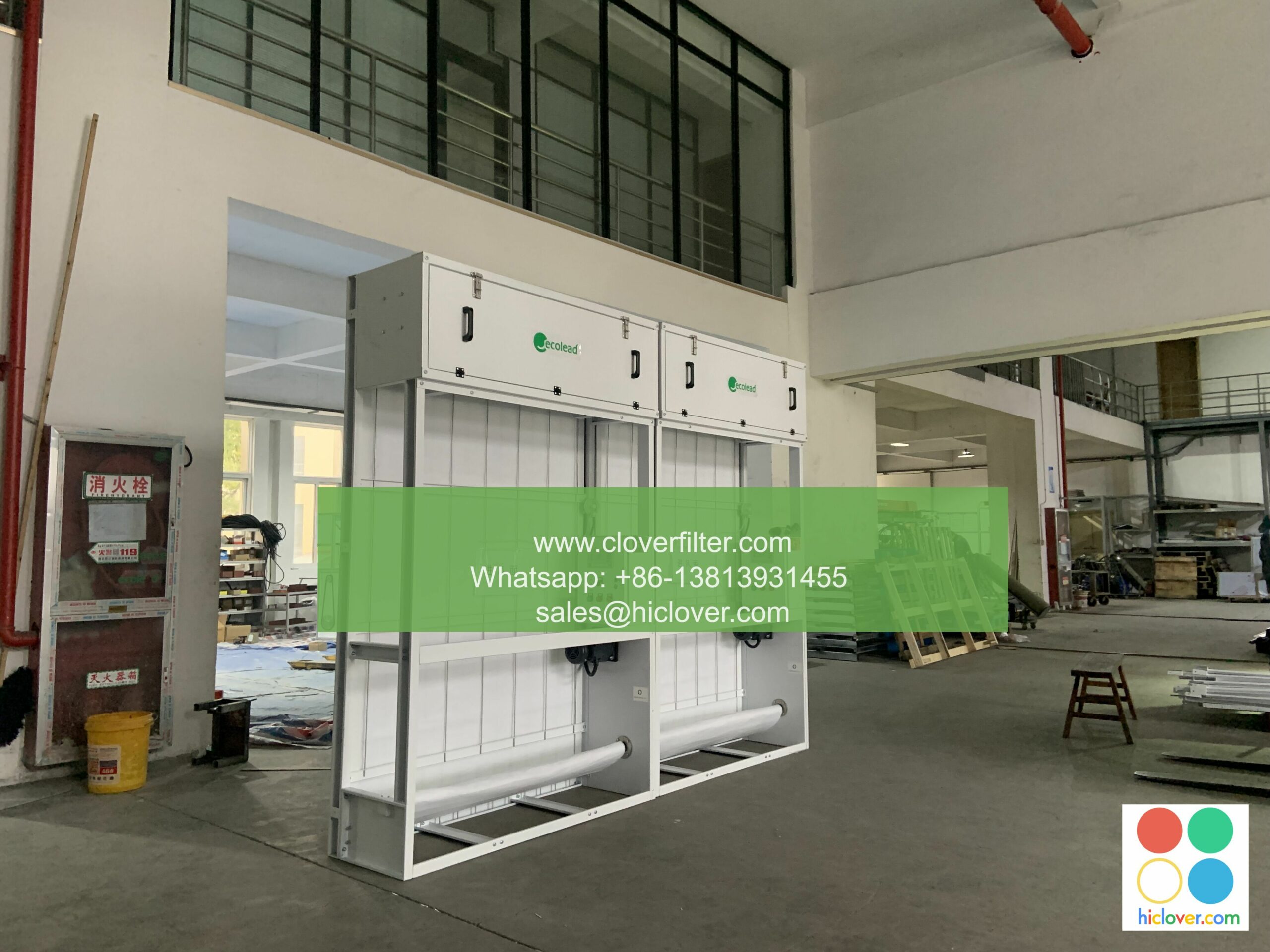

Understanding Indoor Air Quality (IAQ)
Indoor Air Quality (IAQ) refers to the quality of the air inside buildings and structures, particularly as it relates to the health and comfort of building occupants. In industrial facilities, the importance of IAQ cannot be overstated, as workers may be exposed to harmful pollutants and particulate matter that can severely affect health and productivity.
The Role of Air Filters in Maintaining IAQ
Air filters are crucial components of HVAC (Heating, Ventilation, and Air Conditioning) systems, playing a vital role in trapping contaminants and ensuring cleaner air circulation throughout industrial spaces. Various types of air filters, including HEPA (High-Efficiency Particulate Air) and activated carbon filters, are specifically designed to capture different sizes and types of particles, thereby improving IAQ.

Importance of Air Filter Data in IAQ Management
The data generated from air filters is invaluable for managing and improving indoor air quality. Monitoring air filter performance metrics helps facility managers to:
- Understand pollutant levels and types in real-time
- Predict maintenance needs and filter replacement timelines
- Evaluate the effectiveness of air filtration systems
By harnessing this data, industrial facilities can implement proactive strategies to enhance IAQ, ensuring a healthier work environment for employees.
Key Applications of Air Filter Data
Air filter data is essential across various application areas in industrial settings, including:
1. Compliance with Health Regulations
Many industries must comply with strict health and safety regulations regarding air quality. Air filter data provides evidence for compliance audits and helps in achieving certifications that are crucial for operational legitimacy.
2. Energy Efficiency Optimization
Regular monitoring of air filter condition allows for optimized HVAC performance, directly influencing energy consumption. Cleaner filters reduce the load on HVAC systems, leading to lower energy costs.
3. Employee Health and Productivity
A clean indoor environment has been shown to minimize absenteeism and increase productivity. By analyzing air filter data, facilities can maintain optimized air quality, fostering a healthier workforce.
Challenges and Future Directions
Despite the benefits, challenges remain in effectively utilizing air filter data. These include data overload, lack of standardized metrics, and insufficient integration with existing building management systems. However, advancements in IoT (Internet of Things) and AI (Artificial Intelligence) are paving the way for intelligent IAQ management, making it easier to harness air filter data effectively.
Conclusion
The impact of air filter data on indoor air quality in industrial facilities is profound. By actively monitoring and analyzing this data, industries can ensure safer working environments, adhere to regulations, and ultimately foster improved employee health and productivity. As technology continues to evolve, so too will the methods by which this critical data is managed, promising even better outcomes for indoor air quality management in industrial settings.
It seems like your message might be incomplete. Could you please provide more details or clarify what you would like assistance with regarding “prompt”? Whether it’s creative writing, a specific topic, or a question, I’m here to help!
