The Impact of Air Filter Design on Efficiency and Performance
Key Takeaways
- The design of air filters significantly influences operational efficiency.
- Automatic Roll Air Filters offer advanced media management and maintenance features.
- Proper selection hinges on airflow range, face velocity, and system compatibility.
- Common mistakes include inadequate sizing and neglecting maintenance schedules.
- Real-world applications demonstrate diverse functionalities across industries.
- Roll Media Advance Logic: This feature automatically advances the media as it becomes saturated, based on differential pressure triggers.
- Differential Pressure Trigger: The system monitors the pressure change across the filter to alert when replacement is necessary, ensuring it maintains optimal airflow without excessive energy costs.
- Timer Mode: Alternatively, the filter can be programmed to change at specific intervals, allowing for scheduled maintenance routines that ensure consistent air quality.
- Airflow Range: Ensure the filter supports the required airflow for the specific application.
- Face Velocity: Choose a face velocity that aligns with the filter’s capabilities (typically between 1-2.5 m/s).
- Media Width/Length: Select dimensions that correspond to the system design.
- Frame Size: Ensure compatibility with existing HVAC systems.
- Control Options: Determine whether electronic monitoring is required for maintenance alerts.
- Power Supply: Review power requirements for advanced filters that include electronic controls.
- Installation Location: Consider whether the filter will be installed at fresh air intakes, return ducts, or specific processes.
- Neglecting Filter Size: Always ensure filters fit the designated space to avoid bypassing air.
- Insufficient Maintenance Schedules: Establish routine checks based on usage, not just time.
- Overlooking Initial Pressure Drop: Evaluate the initial resistance to ensure the ventilation system can accommodate it.
- Ignoring Manufacturer Guidelines: Adhere to specifications for optimal performance.
- Choosing the Wrong Type: Match filter type with application requirements to avoid inefficiency.
- Inadequate Flow Rate Calculations: Always consider peak usage scenarios when selecting air filters.
- Failure to Train Staff on Maintenance: Ensure that maintenance staff are educated on specific filter needs.
- Assuming “One Size Fits All”: Different environments may require distinct filters.
- Overestimating Filter Longevity: Be realistic regarding service timelines.
- Disregarding Environmental Conditions: Consider factors like humidity and temperature that can affect filter performance.

Understanding Air Filter Manufacturing
Air filter manufacturing plays a crucial role in maintaining optimal air quality across various industries, including data centers, cleanrooms, and manufacturing plants. The air filtration process ensures particulate control and significantly impacts energy consumption and operational longevity. When considering air filtration solutions, it’s essential to recognize how design elements like media type, frame size, and filtration performance affect overall efficiency.
What is an Automatic Roll Air Filter?

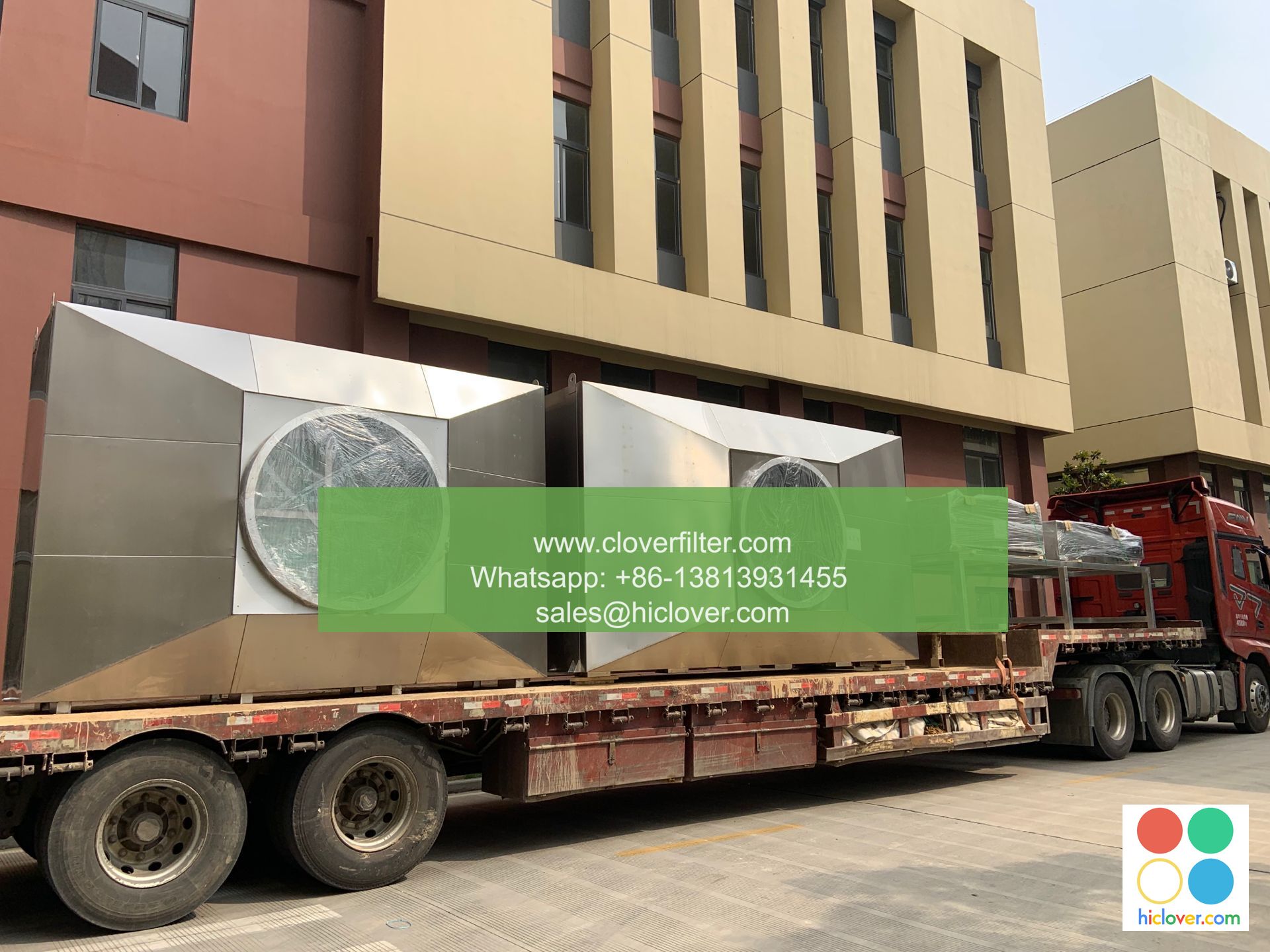
An Automatic Roll Air Filter is a sophisticated filtration system that utilizes a continuous roll of filter media to capture airborne particles efficiently. As the filter media gets saturated with particles, the system employs advanced roll media advance logic, allowing it to automatically replace the used media while maintaining continuous airflow. This design minimizes downtime and maximizes operational performance.
How It Works
The operational mechanism of an Automatic Roll Air Filter involves several key components:
Applications in HVAC/AHU Systems
Automatic Roll Air Filters fit seamlessly into HVAC and AHU systems as an effective prefilter for fresh air intake and make-up air requirements. By capturing particulates before they enter the primary HVAC system, these filters protect sensitive equipment and enhance overall air quality management.
Practical Selection Guide
Selecting the appropriate air filter involves several factors:
Comparison of Air Filters
| Filter Type | Best Use Case | Maintenance | Pressure Drop Behavior | Operating Cost | Typical Risk/Downside |
|---|---|---|---|---|---|
| Automatic Roll Air Filter | High airflow systems | Low | Minimal | Moderate | Initial installation cost |
| Bag Filter | General use | Moderate | Moderate to high | Low | Limited service life |
| Panel Filter | Residential & light commercial | Moderate | Varies | Moderate | Frequent replacement |
| V-bank | Large industrial | High | Low to moderate | Varies | Space consumption |
Common Mistakes & How to Avoid Them
Real-World Scenarios
1. Data Center
In a data center, maintaining clean air is crucial for equipment longevity. An Automatic Roll Air Filter installed at the fresh air intake prevented particulate buildup and reduced the cooling load, enhancing the HVAC system’s efficiency.
2. Lithium Battery Factory
A battery manufacturing facility implemented an Automatic Roll Air Filter system that significantly improved air quality control during the production process. The filters captured harmful particulates, ensuring compliance with environmental safety standards.
3. Paint Shop
In a paintshop environment, the Automatic Roll Air Filter ensured that paint particles were controlled during application. This resulted in improved product quality and reduced the risk of defects due to airborne contaminants.
4. Textile/Steel/Cement Plant
These industries typically face high particulate loads. The installation of an Automatic Roll Air Filter improved air circulation while minimizing maintenance time, which led to substantial energy savings and operational efficiency.
Compliance and Standards
While selecting air filters, it’s essential to be aware of industry standards like ISO 16890 and the MERV concept for evaluating performance, though specific certifications should be confirmed, as they are available on request. Factors such as particulate control and energy efficiency play a significant role in ensuring compliance without compromising operational efficiency.
Meta Description: Discover how air filter design, particularly the Automatic Roll Air Filter, influences efficiency in industries and HVAC systems for optimal performance.
For industry-leading solutions in air filtration, reach out to CloverFilter today for support and expertise in optimizing your air filtration systems. Visit us at CloverFilter.
It looks like you might want to provide a specific prompt, but I don’t see one in your message. Could you please share what you’re looking for? Whether it’s a story idea, a question, or something else, I’d be happy to help!
