The Impact of Air Filter Design on Energy Consumption
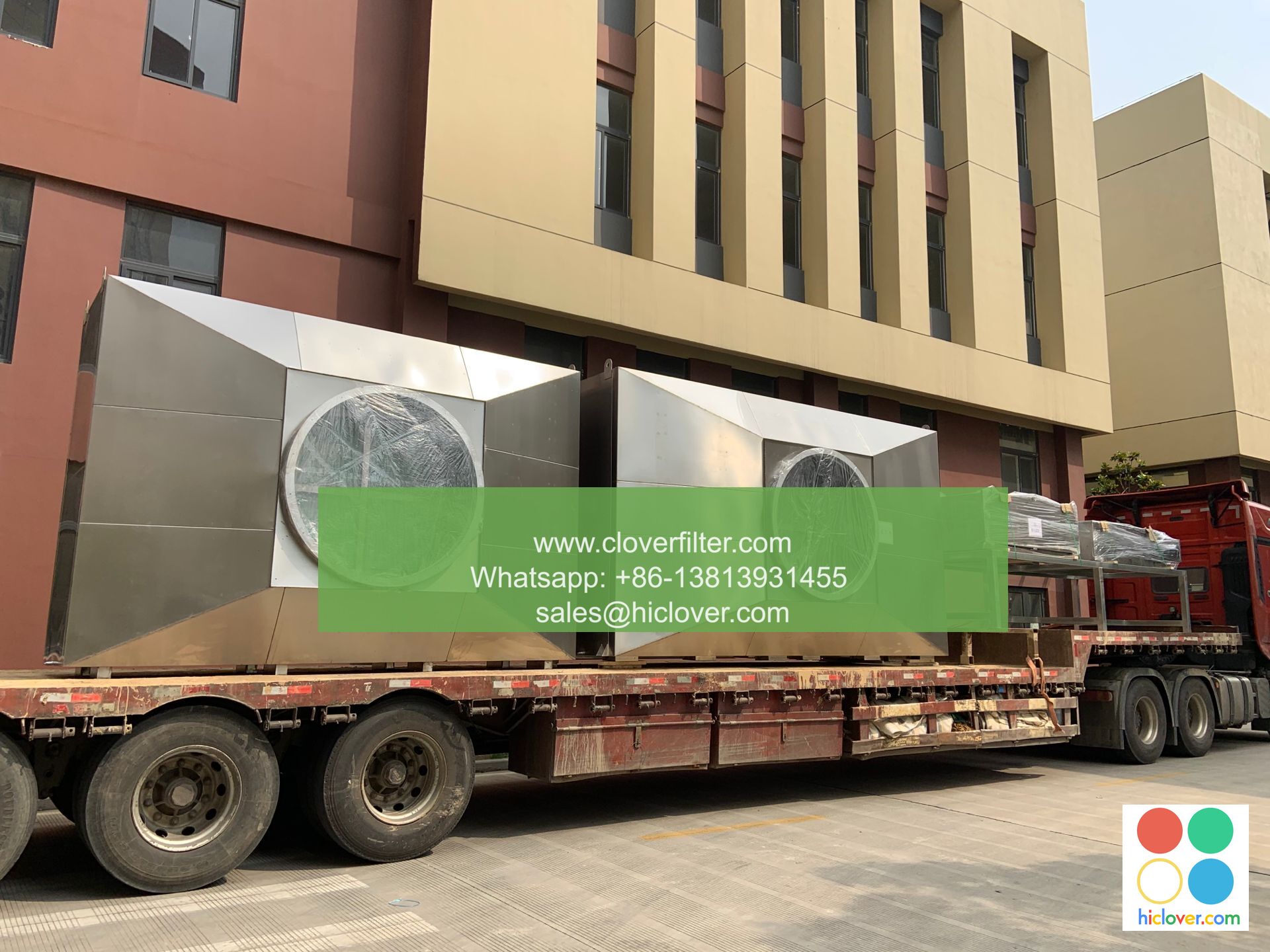
The design of air filters plays a crucial role in reducing energy consumption in various industries, including heating, ventilation, and air conditioning (HVAC), industrial processes, and cleanroom technology. A well-designed air filter can significantly minimize the energy consumption of a system, leading to cost savings and a reduction in greenhouse gas emissions. In this article, we will explore the impact of air filter design on energy consumption and highlight various application areas.
Introduction to Air Filter Design
Air filters are an essential component of many systems, including air purification systems, ventilation systems, and industrial processes. The primary function of an air filter is to remove particulate matter, gases, and odors from the air, improving indoor air quality and preventing equipment damage. However, the design of an air filter can significantly impact the energy efficiency of a system.
Factors Affecting Air Filter Design
Several factors can affect the design of an air filter, including:
* Filter media: The type of filter media used can significantly impact the energy consumption of a system. High-efficiency filters can capture more particulate matter but may require more energy to operate.
* Filter size and shape: The size and shape of an air filter can impact the airflow and pressure drop across the filter, affecting the energy consumption of a system.
* Airflow rate: The airflow rate of a system can impact the energy consumption of an air filter. Higher airflow rates may require more energy to operate.
Application Areas
The impact of air filter design on energy consumption is significant in various application areas, including:
* Commercial buildings: Air filters play a crucial role in maintaining indoor air quality in commercial buildings. A well-designed air filter can minimize the energy consumption of an HVAC system.
* Industrial processes: Air filters are used in various industrial processes, including chemical processing and pharmaceutical manufacturing. A well-designed air filter can reduce the energy consumption of a system and prevent equipment damage.
* Cleanroom technology: Air filters are critical in cleanroom technology, where ultra-high purity is required. A well-designed air filter can minimize the energy consumption of a system while maintaining ultra-high purity.

Benefits of Energy-Efficient Air Filter Design
The benefits of energy-efficient air filter design are numerous, including:
* Cost savings: Energy-efficient air filters can significantly reduce the energy consumption of a system, leading to cost savings.
* Reduced greenhouse gas emissions: Energy-efficient air filters can minimize the carbon footprint of a system, contributing to a sustainable future.
* Improved indoor air quality: Energy-efficient air filters can maintain indoor air quality while minimizing energy consumption.
Conclusion
In conclusion, the design of air filters plays a significant role in reducing energy consumption in various industries. By understanding the factors that affect air filter design and highlighting various application areas, we can develop energy-efficient air filters that minimize energy consumption while maintaining indoor air quality. As we move towards a sustainable future, it is essential to prioritize energy-efficient air filter design to reduce greenhouse gas emissions and contribute to a healthier environment. It seems like you’re ready to give me a prompt, but it hasn’t arrived yet! Please go ahead and share what’s on your mind, and I’ll do my best to help.
