The Impact of Air Filter Design on System Reliability in Industrial Applications
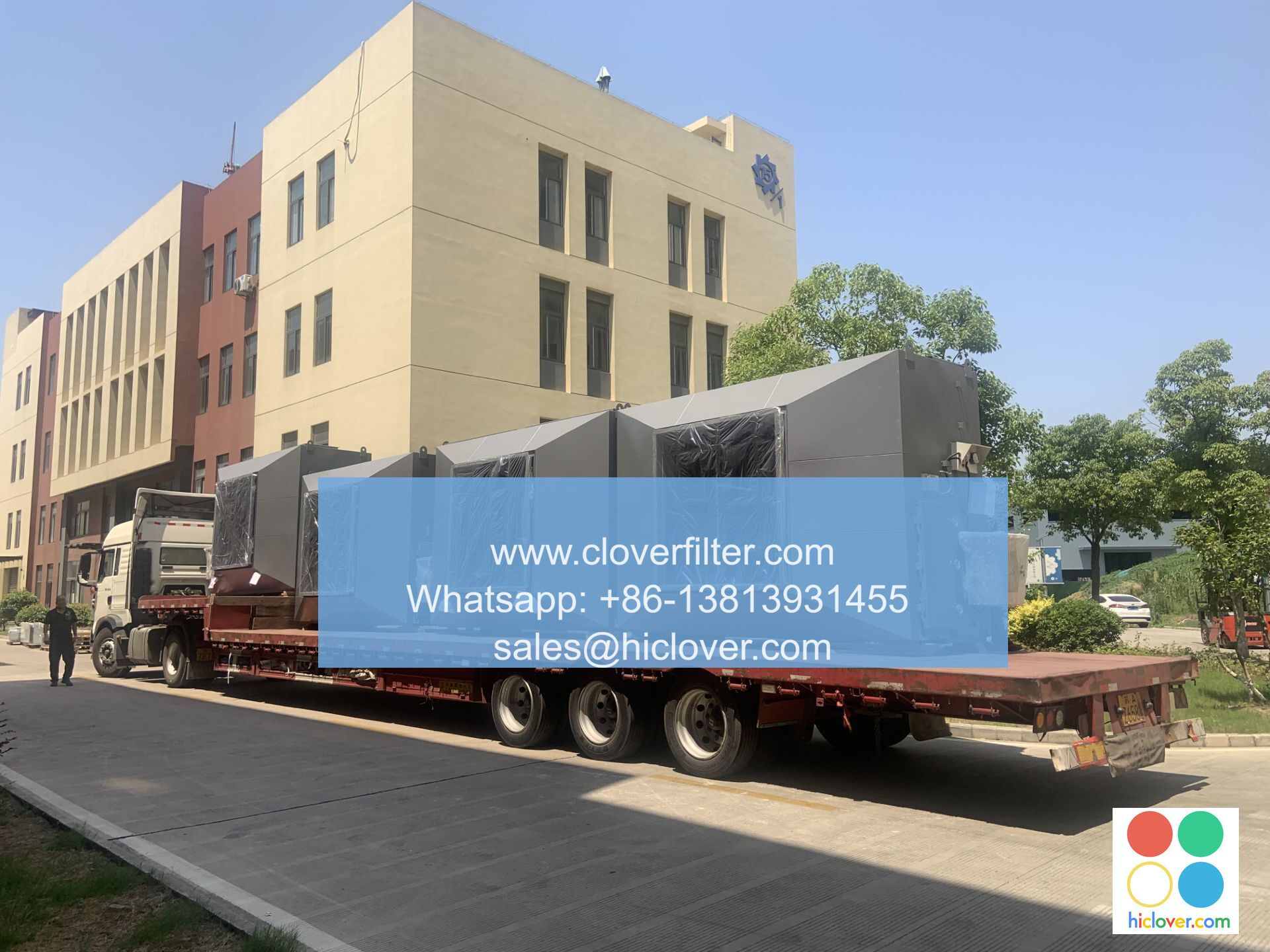
Air filter design plays a crucial role in ensuring the reliability and efficiency of industrial systems. In this article, we will delve into the significance of air filter design, its impact on system reliability, and explore various application areas where high-quality air filters are essential.
Introduction to Air Filter Design
Air filter design refers to the process of creating filters that can effectively remove contaminants, such as dust, dirt, and other pollutants, from the air. The design of air filters is critical in industrial applications, as it directly affects the performance, reliability, and lifespan of equipment and systems. A well-designed air filter can help prevent equipment failure, reduce maintenance costs, and minimize downtime.
Key Considerations in Air Filter Design
When designing air filters for industrial applications, several key factors must be considered. These include:
* Filtration efficiency: The ability of the filter to capture contaminants of varying sizes and types.
* Pressure drop: The resistance to airflow caused by the filter, which can impact system performance and energy consumption.
* Flow rate: The volume of air that can pass through the filter without compromising its efficiency or increasing pressure drop.
* Durability: The filter’s ability to withstand harsh environmental conditions, such as high temperatures, humidity, and vibration.
Impact of Air Filter Design on System Reliability
The design of air filters has a significant impact on system reliability in industrial applications. A poorly designed air filter can lead to:
* Premature equipment failure: Contaminants can cause damage to equipment, resulting in costly repairs and downtime.
* Increased energy consumption: Inefficient air filters can increase pressure drop, leading to higher energy costs and reduced system performance.
* Reduced system lifespan: The accumulation of contaminants can reduce the lifespan of equipment and systems, resulting in premature replacement.

Application Areas for High-Quality Air Filters
High-quality air filters are essential in various industrial application areas, including:
* Power generation: Air filters are used to protect turbine systems, generators, and other equipment from contaminants.
* Chemical processing: Air filters are used to remove hazardous chemicals and particles from the air, ensuring a safe working environment.
* Pharmaceutical manufacturing: Air filters are used to maintain sterile environments and prevent contamination of products.
* Aerospace and defense: Air filters are used to protect sensitive equipment and systems from contaminants, ensuring reliable performance in critical applications.
* Data centers and IT infrastructure: Air filters are used to protect sensitive electronic equipment from contaminants, ensuring reliable operation and minimizing downtime.
Best Practices for Air Filter Design and Selection
To ensure the reliability and efficiency of industrial systems, it is essential to follow best practices for air filter design and selection. These include:
* Conducting thorough site surveys: To determine the types and levels of contaminants present in the air.
* Selecting filters with high filtration efficiency: To ensure the removal of contaminants and prevent equipment damage.
* Considering pressure drop and flow rate: To minimize energy consumption and ensure system performance.
* Specifying durable filters: To withstand harsh environmental conditions and minimize maintenance costs.
Conclusion
In conclusion, air filter design plays a critical role in ensuring the reliability and efficiency of industrial systems. By considering key factors such as filtration efficiency, pressure drop, flow rate, and durability, designers and engineers can create high-quality air filters that meet the demands of various industrial application areas. By following best practices for air filter design and selection, industries can minimize downtime, reduce maintenance costs, and ensure the reliable operation of equipment and systems. It seems like you haven’t asked a question or provided any context for me to work with. Could you please provide more details or clarify what you would like to know? I’ll do my best to assist you.
