The Impact of Air Filter Ecosystems on Energy Efficiency

Air filter ecosystems have become an essential component in various industries, including HVAC (heating, ventilation, and air conditioning), automotive, and industrial manufacturing. The primary function of air filters is to remove contaminants and pollutants from the air, ensuring a clean and healthy environment. However, air filter ecosystems also play a significant role in energy efficiency, which is crucial for reducing energy consumption, costs, and environmental impact.
Introduction to Air Filter Ecosystems
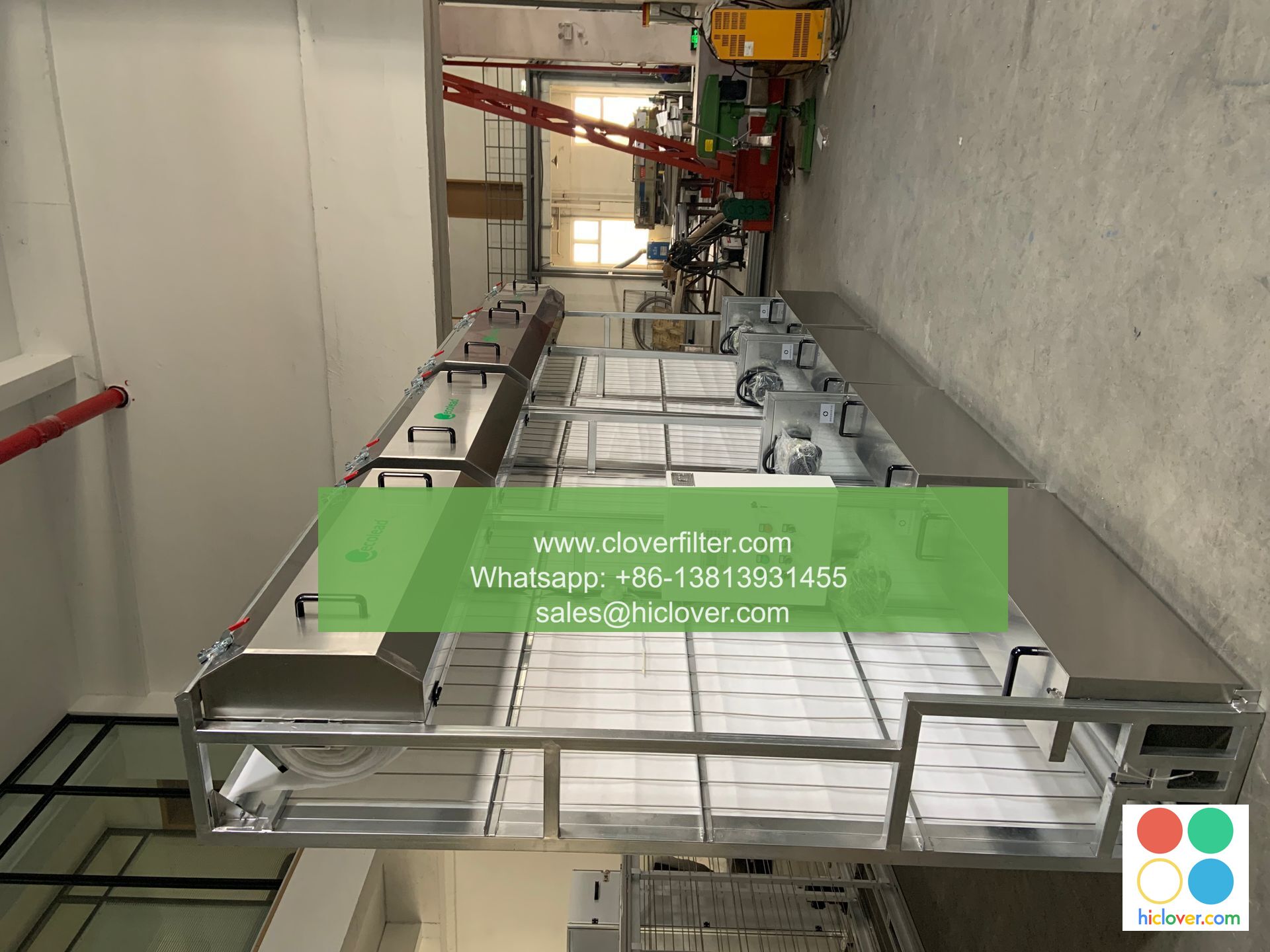
Air filter ecosystems consist of a network of filters, fans, and ducts that work together to provide clean air and maintain optimal airflow. The filters used in these ecosystems can be categorized into different types, including HEPA (High Efficiency Particulate Air) filters, activated carbon filters, and pre-filters. Each type of filter has its unique characteristics and applications, and the choice of filter depends on the specific requirements of the industry or application.
Energy Efficiency Benefits of Air Filter Ecosystems
The energy efficiency benefits of air filter ecosystems can be significant, particularly in industries that rely heavily on HVAC systems. Some of the key benefits include:
* Reduced energy consumption: By using high-efficiency air filters, businesses can reduce the energy required to heat, cool, and ventilate their buildings.
* Lower operating costs: Energy-efficient air filter ecosystems can help reduce operating costs by minimizing the energy required to power HVAC systems.
* Extended equipment lifespan: By reducing the strain on HVAC systems, air filter ecosystems can help extend the lifespan of equipment, reducing the need for costly repairs and replacements.
* Improved indoor air quality: Air filter ecosystems can help remove pollutants and contaminants from the air, improving indoor air quality and creating a healthier environment for occupants.
Application Areas of Air Filter Ecosystems
Air filter ecosystems have a wide range of applications across various industries, including:
* Commercial HVAC systems: Air filter ecosystems are essential in commercial buildings, where they help maintain optimal indoor air quality and reduce energy consumption.
* Industrial manufacturing: Air filter ecosystems are used in industrial manufacturing to remove contaminants and pollutants from the air, ensuring a clean and safe working environment.
* Automotive industry: Air filter ecosystems are used in the automotive industry to improve fuel efficiency, reduce emissions, and enhance vehicle performance.
* Residential HVAC systems: Air filter ecosystems are also used in residential buildings, where they help improve indoor air quality, reduce energy consumption, and lower operating costs.
Key Technologies and Trends
Some of the key technologies and trends in air filter ecosystems include:
* Nanofiltration technology: This technology uses nanoparticles to remove contaminants and pollutants from the air, providing improved filtration efficiency and energy efficiency.
* Smart air filtration systems: These systems use sensors and IoT technology to monitor and optimize air filtration, providing real-time feedback and improved energy efficiency.
* Sustainable air filter materials: Researchers are developing new, sustainable materials for air filters, such as biodegradable filters and recyclable filters, which can help reduce waste and minimize environmental impact.
Conclusion
In conclusion, air filter ecosystems play a critical role in energy efficiency, particularly in industries that rely heavily on HVAC systems. By using high-efficiency air filters, businesses can reduce energy consumption, lower operating costs, and improve indoor air quality. As the demand for energy-efficient solutions continues to grow, air filter ecosystems will remain a vital component in various industries, driving innovation and sustainability in the years to come.
It seems like you’re looking for a prompt to start a conversation or to generate some creative content. Here are a few ideas across different categories:
For Creative Writing
- The Mysterious Box: You wake up to find a mysterious box in your room with a note that says, “Do not open until you’re ready for the truth.”
- Future Earth: Describe Earth 100 years from now, considering current trends in technology, climate change, and societal shifts.
- A World Without Color: Imagine a world where color suddenly disappears. How do people adapt, and what are the emotional and psychological impacts?
For Personal Reflection
- Your Ideal Day: Describe your perfect day, from waking up to bedtime, considering where you’d be, who you’d be with, and what you’d do.
- Life Lessons: What are the most significant lessons you’ve learned in life so far, and how have they shaped you?
- Future Goals: Write about your long-term goals, both personal and professional, and outline the steps you need to take to achieve them.
For Fun Conversations
- Superpower Choice: If you could choose any superpower, what would it be and why? How would you use it for good or personal gain?
- Time Travel: If you could travel back in time and give advice to your younger self, what would it be and at what age would you choose to meet yourself?
- Dream Vacation: Plan your dream vacation, including the destination(s), activities, and who you’d like to travel with. What makes this trip so special?
For Deep Discussions
- Ethical Dilemmas: Present a complex ethical dilemma and discuss how you would approach solving it, considering different perspectives and potential consequences.
- Societal Challenges: Choose a current societal issue (e.g., inequality, environmental degradation) and propose innovative solutions, including how they could be implemented and funded.
- Technological Ethics: Discuss the ethics of emerging technologies like AI, gene editing, or virtual reality, focusing on their potential impacts on humanity and the environment.
Feel free to pick any of these prompts or use them as inspiration to explore your own ideas and interests!
