The Impact of Air Filter Humidity on Indoor Air Quality
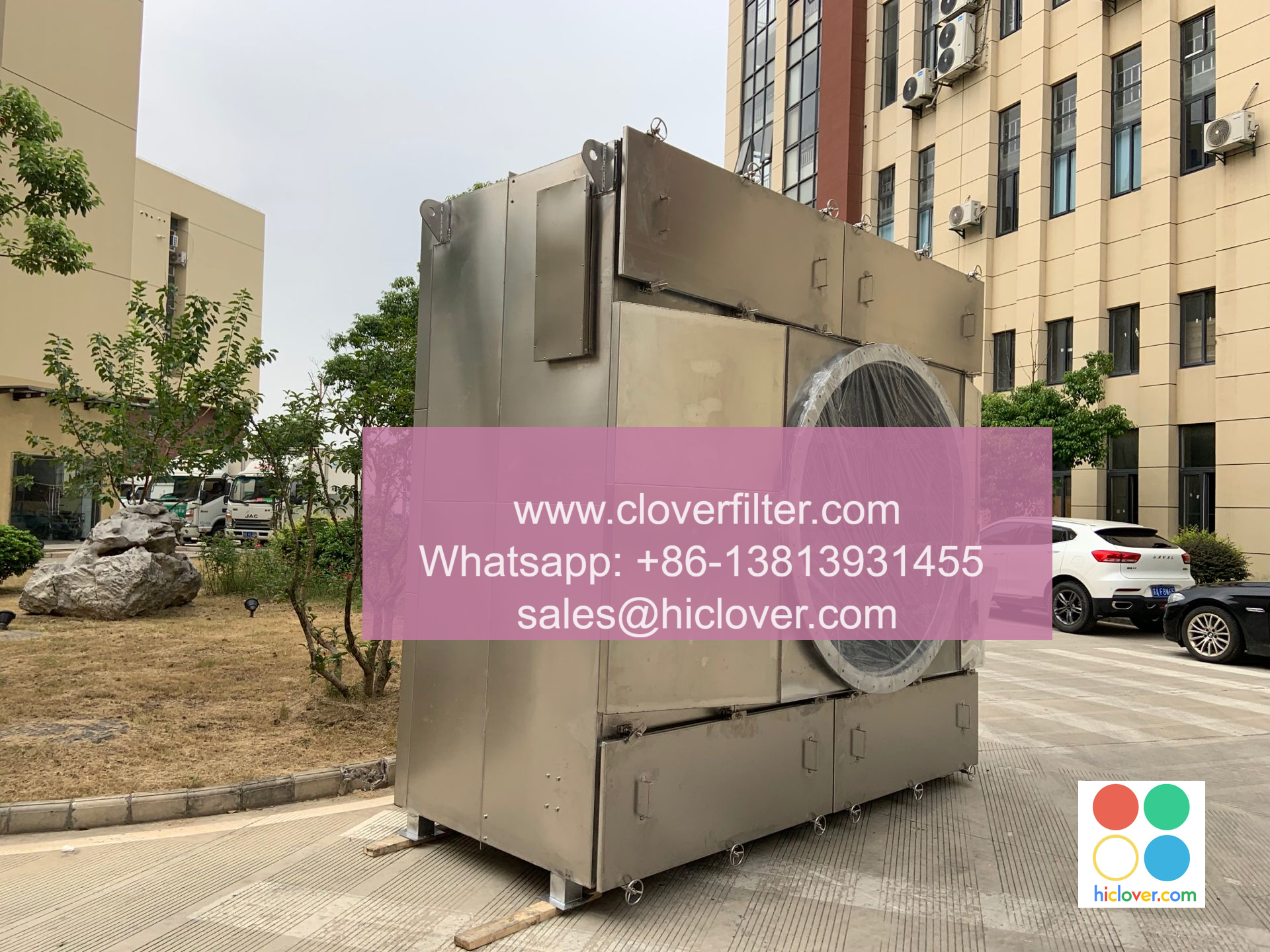
Indoor air quality (IAQ) is a critical factor that influences the health and well-being of occupants in enclosed spaces. One of the less-discussed yet essential contributors to IAQ is the humidity level of air filters. This article explores how air filter humidity affects indoor air quality and highlights its significance across various application areas.
Understanding Humidity and Air Filter Functionality
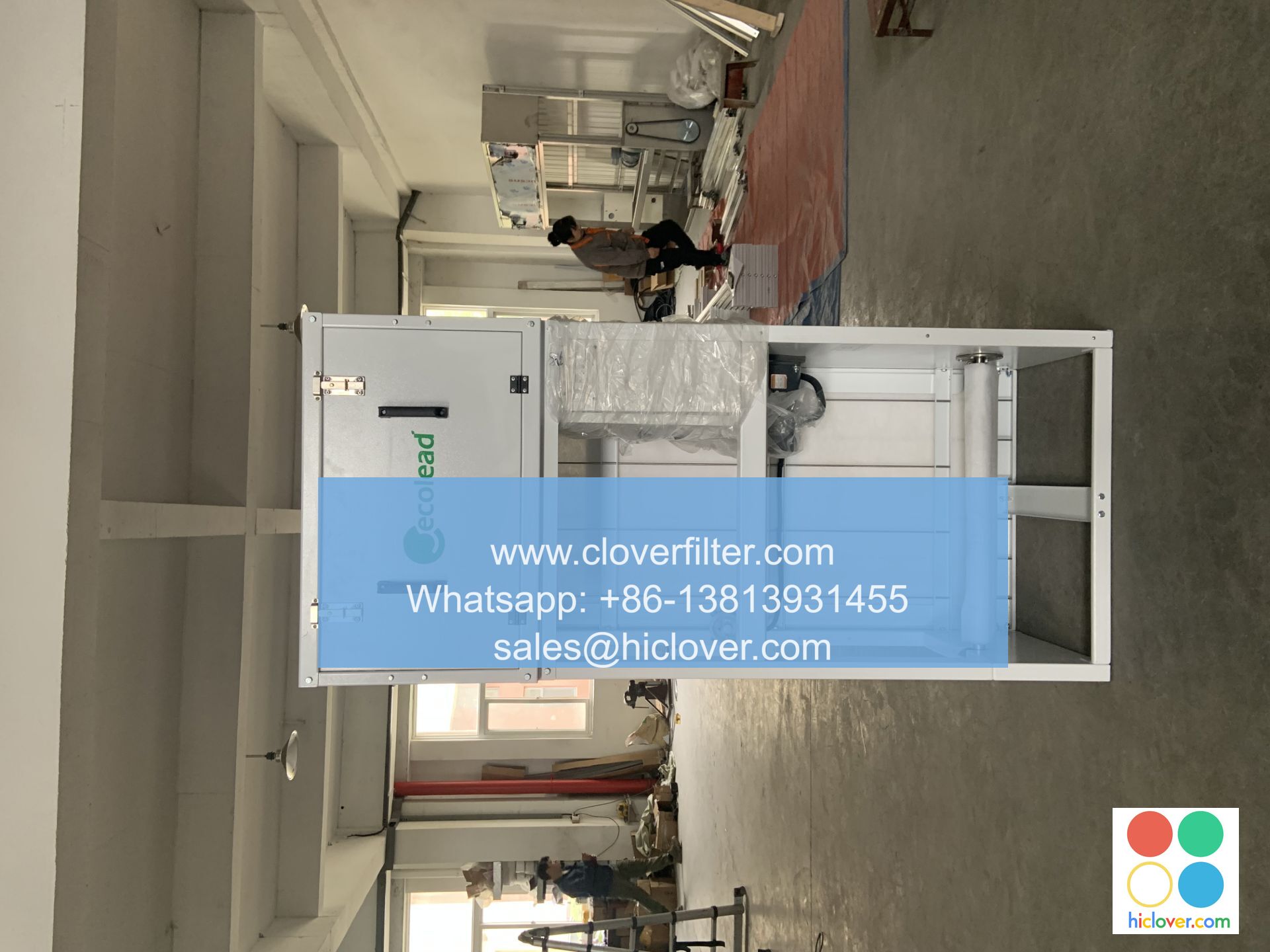
Humidity refers to the amount of moisture present in the air. It can significantly impact the effectiveness of air filters, which are designed to remove pollutants such as dust, allergens, and microscopic particles from indoor environments. When filters are exposed to high humidity levels, several reactions can occur that may compromise their efficiency.
Effects of High Humidity on Air Filters
1. Decreased Efficiency
High humidity can cause air filters to become saturated, losing their ability to trap airborne particles effectively. Moist conditions can lead to the formation of mold and bacteria, which can then be circulated back into the indoor environment, considerably worsening air quality.
2. Deterioration of Filter Material
In humid environments, certain filter materials—especially those made from paper or organic fibers—may deteriorate more rapidly. This decay not only reduces the filter’s lifespan but also compromises its air-cleaning capabilities.
Significance in Various Application Areas
1. Residential Settings
In homes, especially in regions with high humidity, regular maintenance of HVAC systems and air filters is essential. Homeowners should consider using filters suitable for their climate to optimize indoor air quality and mitigate health risks associated with poor air filtration.
2. Workplace Environments
In offices and commercial spaces, high humidity can affect productivity and employee comfort. Implementing advanced air filtration systems with humidity management capabilities can help ensure a healthier work environment, leading to enhanced employee performance and satisfaction.
3. Healthcare Applications
In healthcare settings, maintaining high indoor air quality is crucial for patient safety and recovery. Hospitals and clinics must monitor air filter humidity closely, using specialized filtration systems that can capture pathogens effectively while reducing humidity levels to prevent bacterial growth.
Strategies for Managing Air Filter Humidity
1. Regular Maintenance
Routine upkeep of HVAC systems and filters is vital. This includes timely changes of air filters and inspections to ensure that humidity levels are within acceptable ranges.
2. Utilizing Dehumidifiers
In areas prone to high humidity, using dehumidifiers can help control moisture levels in the air, thus enhancing the performance of air filters and overall indoor air quality.
Conclusion
Understanding the impact of air filter humidity on indoor air quality is essential for maintaining a healthy living or working environment. Whether in residential settings, workplaces, or healthcare facilities, awareness and proactive management of filter humidity can significantly improve the air quality and health outcomes for occupants. Proper strategies to control humidity can make a substantial difference in the effectiveness of air filtration systems, leading to cleaner, safer indoor air.
It seems like you might want help with creating a prompt or topic for discussion. Could you please provide more context or specify what kind of prompt you are looking for? Whether it’s for writing, art, discussion, or something else entirely, I’d be happy to assist!
