The Impact of Air Filter Integrations on Indoor Air Quality in Offices
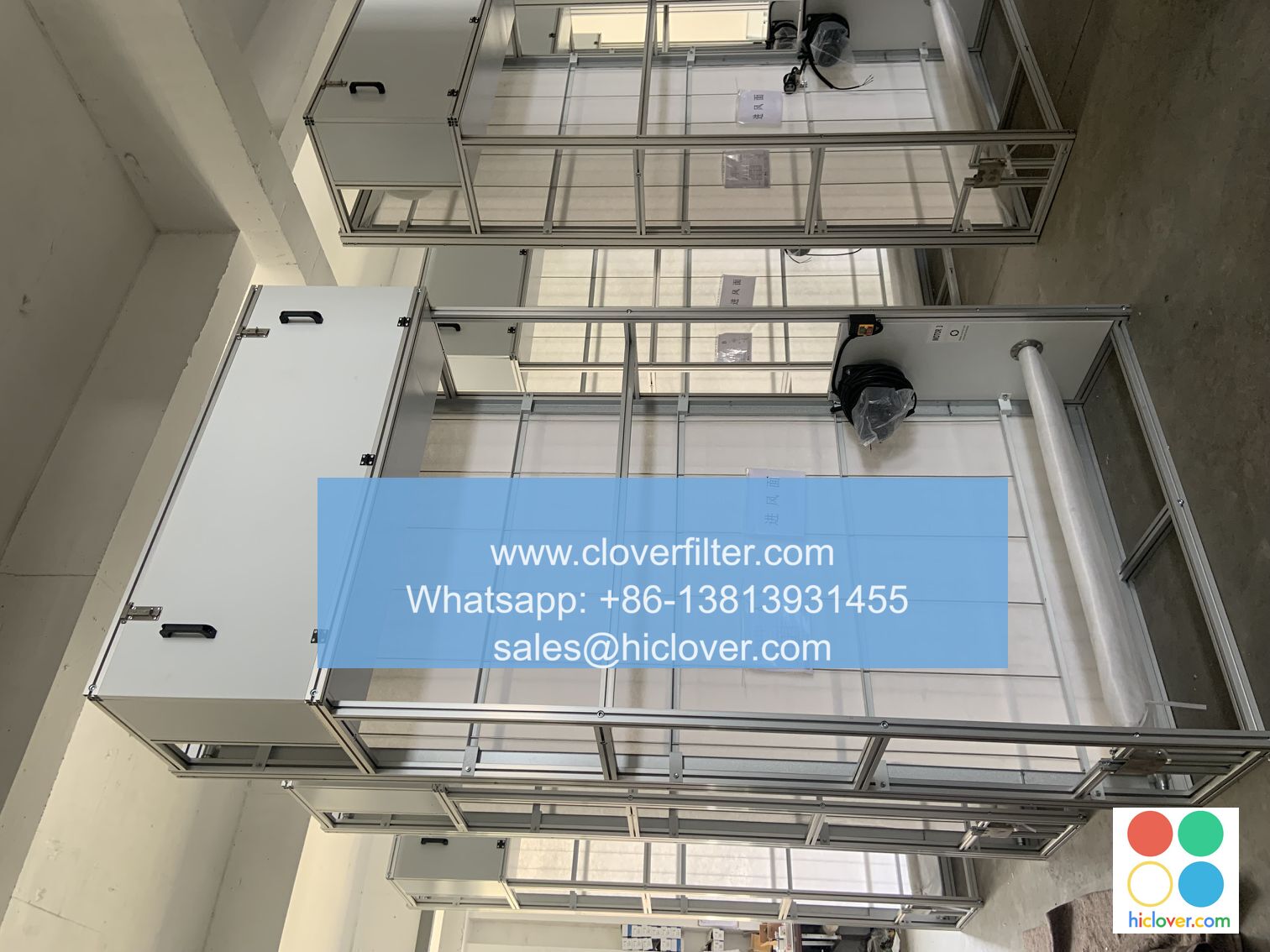
As the world becomes increasingly aware of the importance of indoor air quality (IAQ), office buildings are taking steps to improve the air their occupants breathe. One effective way to achieve this is through the integration of air filter systems that can remove pollutants and allergens from the air. In this article, we will explore the impact of air filter integrations on indoor air quality in offices and highlight various application areas where these systems can be used.
Why Indoor Air Quality Matters
Indoor air quality is a critical aspect of occupant health and productivity. Poor IAQ can lead to a range of health problems, including respiratory issues, allergies, and headaches. Furthermore, poor IAQ can also impact cognitive function and productivity, making it essential for offices to prioritize IAQ. By integrating air filtration systems, offices can reduce the concentration of particulate matter (PM), volatile organic compounds (VOCs), and other indoor air pollutants.
Types of Air Filter Integrations
There are several types of air filter integrations that can be used in offices, including:
* HEPA filters: High Efficiency Particulate Air filters that can remove 99.97% of particles as small as 0.3 microns
* Activated carbon filters: Effective at removing VOCs and odors from the air
* UV-C light filters: Use ultraviolet light to kill bacteria and viruses
* Smart filters: Integrated with IoT sensors to monitor and adjust air quality in real-time
Application Areas
Air filter integrations can be applied in various areas of an office building, including:
* HVAC systems: Integrating air filters into heating, ventilation, and air conditioning systems to improve indoor air quality
* Stand-alone air purifiers: Placing air purifiers in individual offices or common areas to improve local air quality
* Meeting rooms: Installing air filters in meeting rooms to improve indoor air quality and reduce the spread of illnesses
* Open offices: Using air filters to improve indoor air quality in open office spaces and reduce distractions

Benefits of Air Filter Integrations
The benefits of air filter integrations in offices are numerous, including:
* Improved occupant health: By reducing the concentration of indoor air pollutants, air filter integrations can improve occupant health and reduce absenteeism
* Increased productivity: By improving indoor air quality, air filter integrations can improve cognitive function and productivity
* Reduced maintenance costs: By reducing the concentration of particulate matter and other pollutants, air filter integrations can reduce maintenance costs and extend the life of office equipment
Conclusion
In conclusion, air filter integrations are a critical component of indoor air quality in offices. By removing pollutants and allergens from the air, air filter integrations can improve occupant health, productivity, and cognitive function. With various application areas and types of air filter integrations available, offices can choose the best solution to meet their specific needs. As the importance of indoor air quality continues to grow, air filter integrations will play an increasingly important role in creating healthy and productive work environments. It seems like you forgot to include the prompt. Please go ahead and provide the prompt, and I’ll be happy to help!
