The Impact of Air Filter Societies on Outdoor Air Quality in Urban Environments
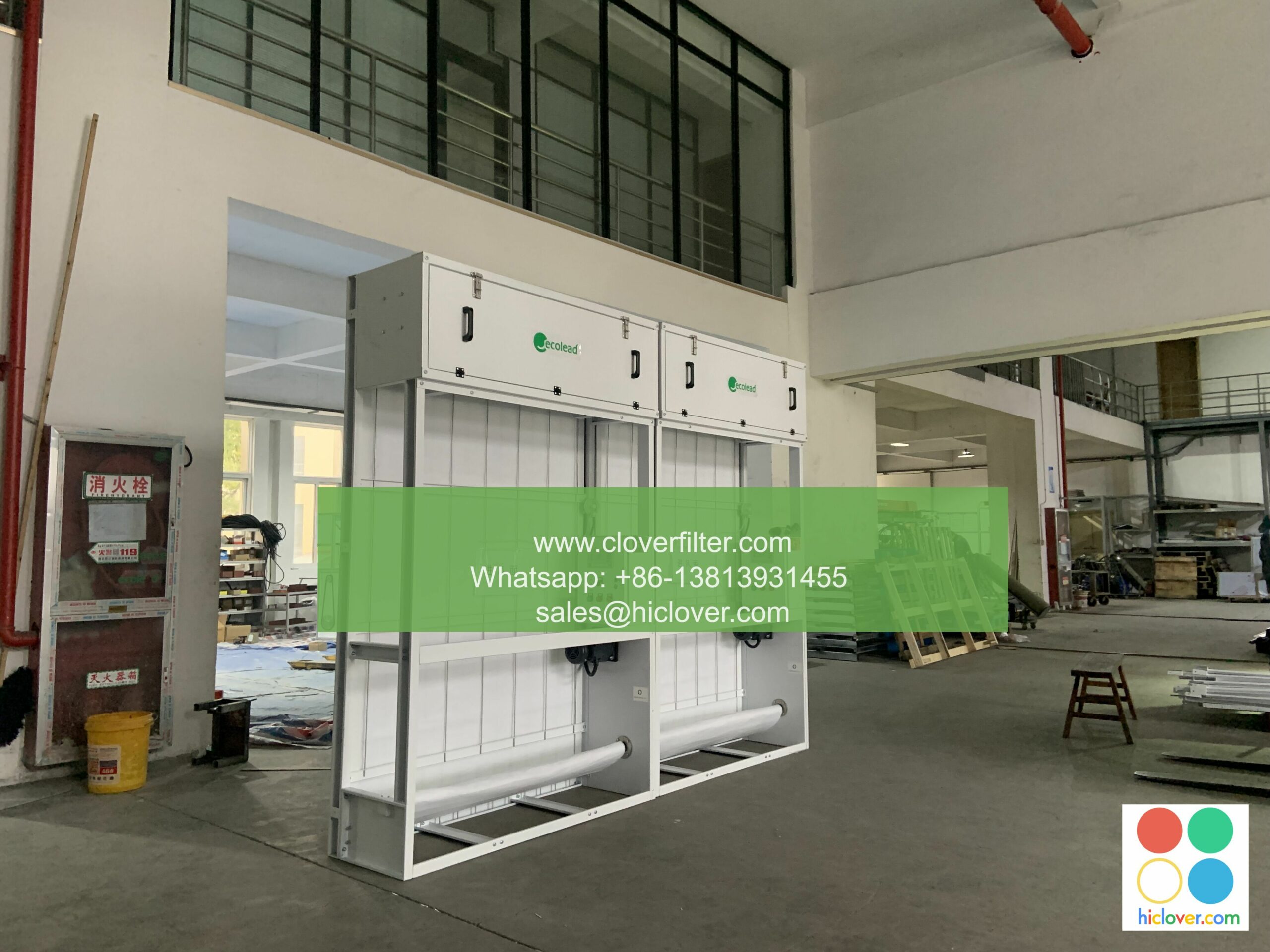
The air we breathe is a vital component of our daily lives, and the quality of that air is crucial for our health and well-being. In urban environments, air pollution is a significant concern, with pollutants from vehicles, industries, and other human activities contributing to poor air quality. In recent years, air filter societies have emerged as a potential solution to mitigate the effects of air pollution on outdoor air quality. In this article, we will explore the impact of air filter societies on outdoor air quality in urban environments, highlighting various application areas, including indoor air quality improvement, urban planning, and public health.
Introduction to Air Filter Societies
Air filter societies are organizations that promote the use of air filters to improve indoor and outdoor air quality. These societies often work with air quality monitoring systems to track and analyze air pollution levels, providing valuable insights into the effectiveness of air filters in reducing pollution. By leveraging technological advancements in air filtration, such as nanofiltration and membrane technology, air filter societies aim to create healthier and more sustainable urban environments.
Impact on Outdoor Air Quality
The impact of air filter societies on outdoor air quality is multifaceted. By promoting the use of air filters in urban areas, these societies can help reduce the amount of pollutants in the air, including particulate matter (PM), nitrogen dioxide (NO2), and volatile organic compounds (VOCs). This can lead to significant improvements in respiratory health and cardiovascular health for urban residents. Additionally, air filter societies can work with urban planners to design more sustainable cities, incorporating green spaces and air quality monitoring systems to create healthier and more livable environments.
Application Areas
Air filter societies have various application areas, including:

- Indoor Air Quality Improvement: Air filters can be used in homes, offices, and other buildings to improve indoor air quality, reducing the risk of respiratory diseases and allergies.
- Urban Planning: Air filter societies can work with urban planners to design cities that prioritize air quality, incorporating green infrastructure and air quality monitoring systems.
- Public Health: By promoting the use of air filters and improving outdoor air quality, air filter societies can contribute to significant improvements in public health, reducing the burden of respiratory diseases and other health problems associated with air pollution.
Challenges and Future Directions
While air filter societies have the potential to make a significant impact on outdoor air quality in urban environments, there are challenges to be addressed. These include cost, accessibility, and education, as well as the need for policy support and regulatory frameworks to promote the use of air filters. Future research directions may include the development of more efficient air filtration technologies, integration with renewable energy systems, and expanded application areas, such as transportation systems and industrial processes.
Conclusion
In conclusion, air filter societies have the potential to make a significant impact on outdoor air quality in urban environments, promoting healthier and more sustainable cities. By highlighting various application areas, including indoor air quality improvement, urban planning, and public health, we can better understand the importance of air filter societies in mitigating the effects of air pollution. As we move forward, it is essential to address the challenges associated with air filter societies and to continue innovating and developing more effective solutions to improve outdoor air quality in urban environments. It seems like you’re ready to start a conversation or ask a question, but you haven’t provided any details yet. What’s on your mind? Would you like to discuss a particular topic, ask for advice, or perhaps explore something you’re curious about? I’m here to help!
