The Impact of Air Filter Systems on Energy Efficiency
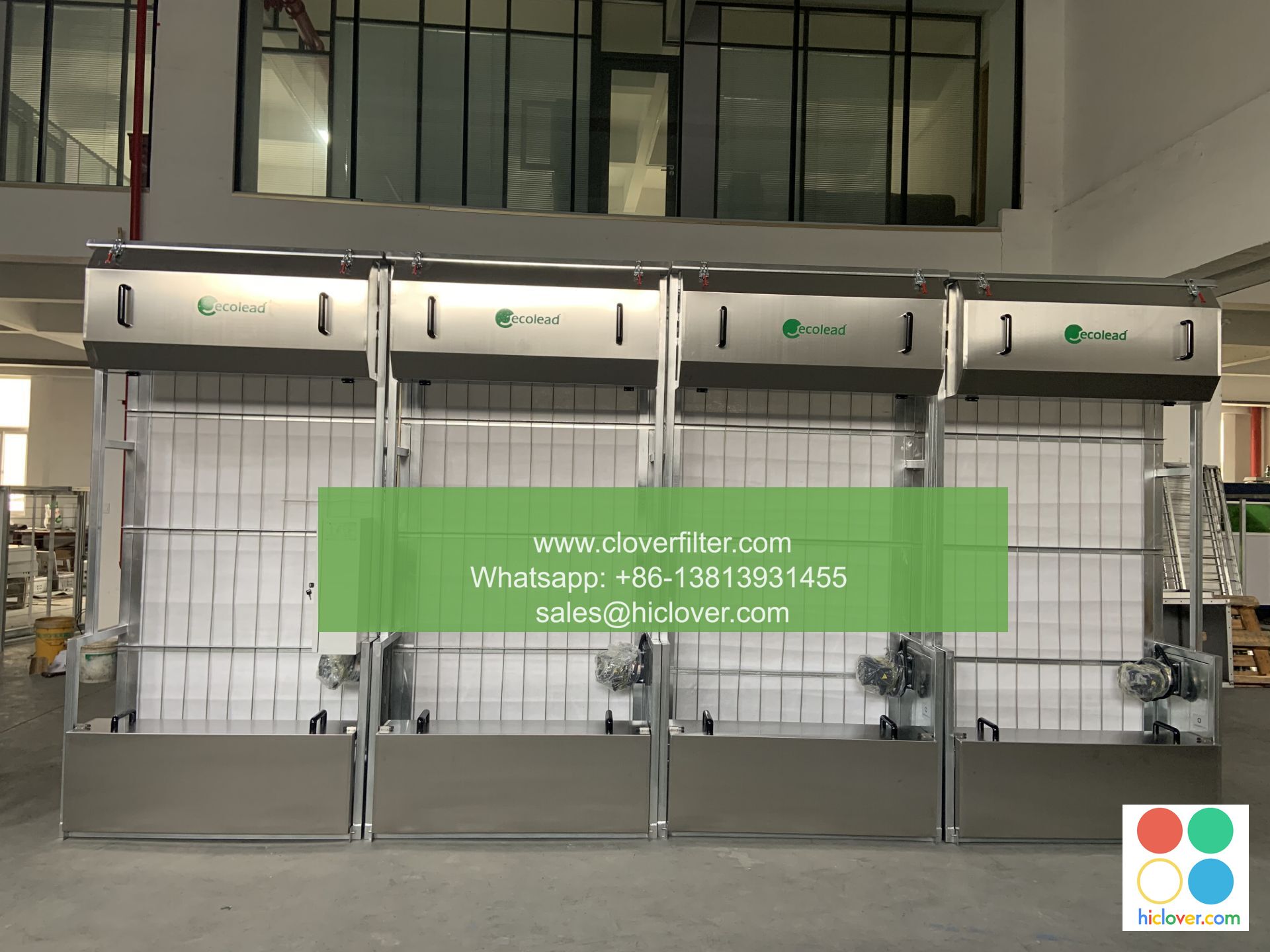
The Impact of Air Filter Systems on Energy Efficiency
Introduction

Air filter systems have become an essential component in various industries, including residential, commercial, and industrial settings. These systems are designed to capture particles, pollutants, and contaminants from the air, improving indoor air quality (IAQ) and reducing the risk of respiratory problems. However, the impact of air filter systems on energy efficiency is a crucial aspect that is often overlooked. In this article, we will explore the role of air filter systems in reducing energy consumption and highlight their various application areas.
Energy Efficiency and Air Filter Systems
Air filter systems can significantly impact energy efficiency by minimizing the amount of energy needed to heat and cool buildings. A study by the U.S. Department of Energy found that air filters can reduce energy consumption by up to 30%. This is achieved through a number of mechanisms, including:
- Reducing the load on heating and cooling systems by filtering out contaminants and pollutants, which can improve system efficiency
- Minimizing air leaks and reducing the need for reheat and recool
- Improving air circulation and reducing pressure drop, which can increase system efficiency

Key Words: Energy efficiency, air filter systems, HVAC systems, indoor air quality (IAQ), building management systems (BMS)
Application Areas
Air filter systems have a wide range of applications across various industries, including:
Residential Sector
In residential settings, air filter systems play a crucial role in maintaining healthy indoor air quality. They can capture allergens, dust, and other particles, reducing the risk of respiratory problems and improving overall living conditions.
Commercial Sector
In commercial settings, air filter systems are essential for maintaining a productive and healthy work environment. They can reduce the spread of airborne diseases, improve air circulation, and minimize the need for costly systems replacements.
Industrial Sector
In industrial settings, air filter systems are critical for ensuring the integrity of manufacturing processes and minimizing downtime. They can capture contaminants and pollutants, reducing the risk of equipment damage and improving product quality.
Data Centers and Telecommunications
In data centers and telecommunications facilities, air filter systems play a vital role in maintaining optimal equipment performance and reducing the risk of downtime. They can capture heat and humidity, improving air circulation and reducing the need for costly cooling systems.
Healthcare and Life Sciences
In healthcare and life sciences, air filter systems are essential for maintaining a sterile and controlled environment. They can capture particles and pollutants, reducing the risk of infection and improving patient outcomes.
Conclusion
In conclusion, air filter systems have a significant impact on energy efficiency, reducing the load on heating and cooling systems, and minimizing air leaks and pressure drop. By understanding the various application areas of air filter systems, facility managers and building owners can optimize their systems, reducing energy consumption and improving indoor air quality. As the demand for efficient and sustainable solutions continues to grow, air filter systems are likely to play an increasingly important role in a wide range of industries.
I’m here to help! What’s on your mind? Do you have a specific request, question, or topic you’d like to discuss? I’m all ears!
