The Impact of Air Filter Teams on Business Operations and Bottom Line
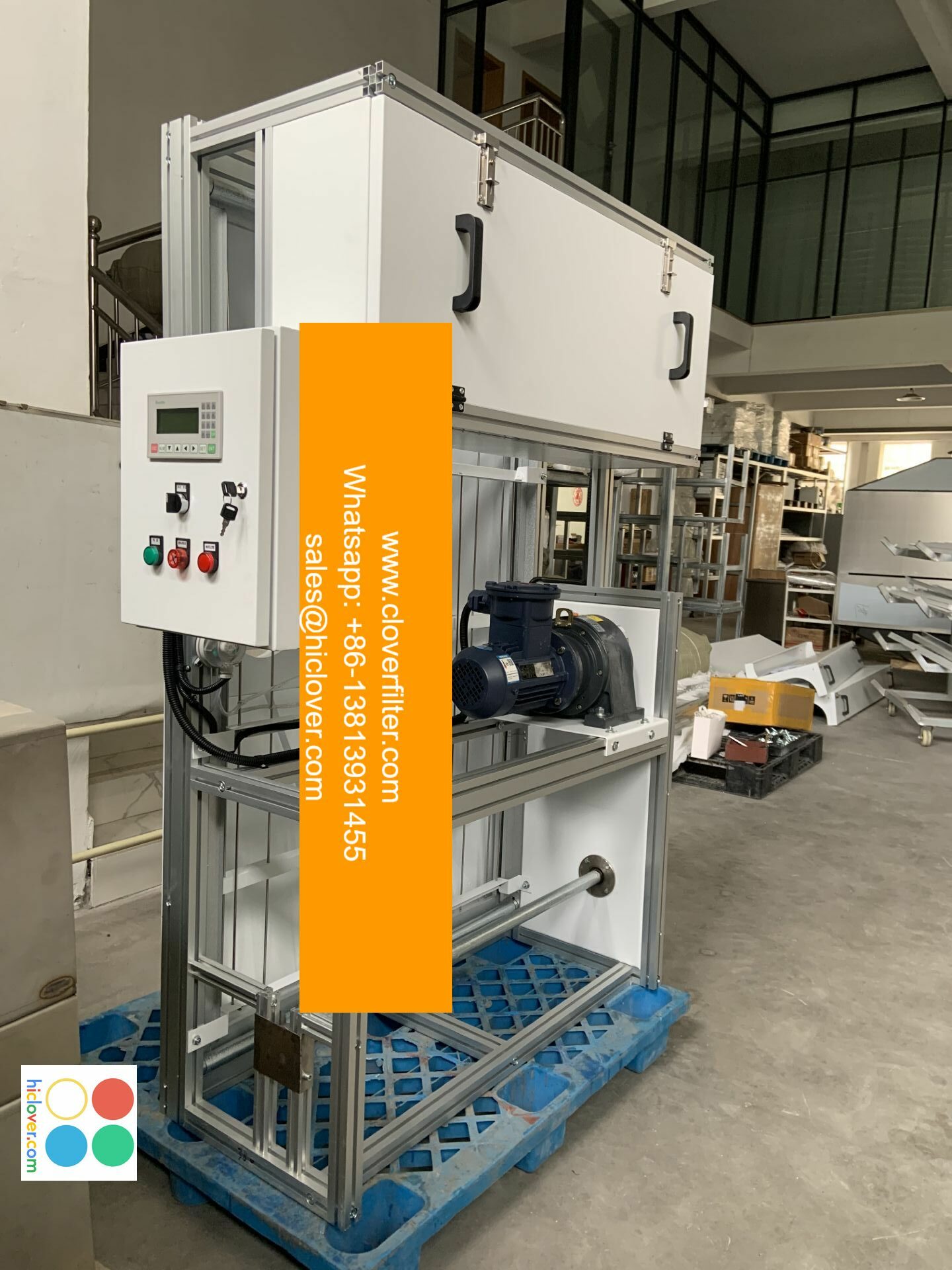
In today’s fast-paced business environment, the health and efficiency of indoor air quality have become pivotal to operational success. Air filter teams play a crucial role in maintaining air quality within business premises, which ultimately impacts productivity, employee health, and, consequently, the bottom line.
Understanding Air Filter Teams

Air filter teams are specialized groups responsible for the installation, maintenance, and monitoring of air filtration systems in various commercial settings. These teams are composed of HVAC professionals and environmental health specialists trained to apply industry best practices and ensure compliance with air quality standards.
Key Responsibilities of Air Filter Teams
- Regular inspection and maintenance of air filtering systems.
- Replacement of filters and parts to ensure optimal performance.
- Monitoring air quality using advanced technologies.
- Training staff on the importance of air quality and system operation.

The Business Operations Impact
The effectiveness of air filter teams directly influences several operational aspects within organizations:
1. Improved Indoor Air Quality
Healthy indoor air quality reduces the risk of airborne illnesses, leading to fewer sick days and improved employee morale. A clean environment not only fosters productivity but also helps attract and retain talent.
2. Enhanced Productivity
Studies have shown that poor air quality can lead to decreased cognitive function and productivity among employees. By ensuring high air quality, businesses can enhance focus and efficiency in the workplace.
3. Reduced Energy Costs
Maintaining air filtration systems ensures they run efficiently, consuming less energy. This translates to reduced utility bills and cost savings for the business, positively affecting the overall bottom line.
Application Areas of Air Filter Teams
Air filter teams are versatile and can be implemented across various sectors. Here we highlight some primary application areas:
1. Healthcare Facilities
In hospitals and clinics, maintaining high air quality standards is essential for patient safety and comfort. Air filter teams ensure that air filtration systems function effectively to prevent contamination.
2. Educational Institutions
Schools and universities benefit significantly from clean air. Air filter teams help create healthier learning environments, which can lead to improved student performance.
3. Manufacturing and Industrial Settings
Factories and manufacturing facilities often face challenges related to airborne pollutants. Air filter teams contribute to maintaining regulatory compliance while improving worker safety and operational efficiency.
Conclusion
In summary, the impact of air filter teams on business operations and the overall bottom line is substantial. By investing in proficient air filtration teams, businesses can reap benefits such as enhanced employee health and productivity, reduced energy costs, and a more attractive work environment. Understanding the importance and applications of these teams can lead to more strategic operational decisions that ultimately drive success.
It seems like you might be looking for a writing prompt or some specific assistance. Could you please provide more details or clarify what you need help with?
