The Impact of Air Filter Technology on Allergies and Asthma
- Key Takeaways:
- Air filter technology significantly improves indoor air quality.
- Automatic Roll Air Filters enhance particulate control in HVAC systems.
- Maintaining optimal pressure drop behavior is crucial for system efficiency.
- Proper selection of air filter technology can reduce maintenance efforts.
- Compliance with ISO standards ensures reliable filtration.
- Investing in advanced filtration technology can lower operating costs.
- Air quality improvements help mitigate allergies and asthma symptoms.
Understanding Air Filter Technology

Air filter technology plays a critical role in various industrial environments, especially for individuals suffering from allergies and asthma. The right air filtration system not only ensures cleaner air but also enhances overall health and productivity in workplaces like factories, hospitals, and data centers. By minimizing airborne particles, air filters help in creating safer and more breathable environments.
What is an Automatic Roll Air Filter?
An Automatic Roll Air Filter is designed to provide continuous filtration in various HVAC systems, specifically for fresh air intake applications. This filter operates using roll media advance logic, where a continuous roll of filter media is fed through a filtration chamber. When the differential pressure reaches a predetermined threshold, the system automatically advances the roll media, ensuring a fresh filter surface while maintaining optimal airflow.
How Does an Automatic Roll Air Filter Work?
The effectiveness of this filtration technology hinges on a few key operational elements:
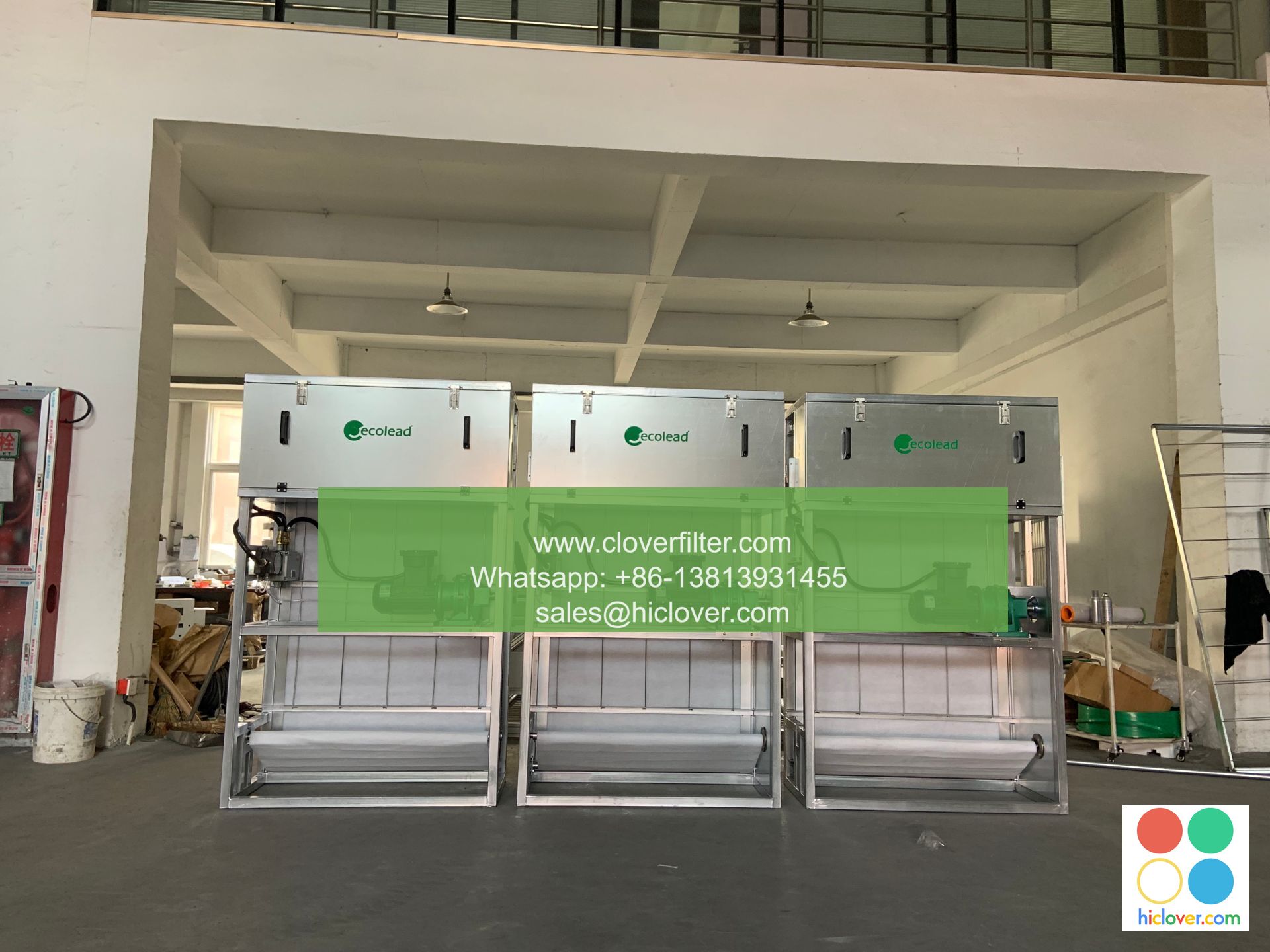
- Roll Media Advance Logic: The filter media is continuously unwound and advanced, minimizing the frequency of manual filter changes.
- Differential Pressure Trigger: When the pressure drop across the filter exceeds a set limit, it signals the system to advance the roll, ensuring consistent airflow and filtration efficacy.
- Timer Mode: Advanced models can also operate on a timer mode, preemptively changing the media based on predetermined schedules.
This combination of features makes Automatic Roll Air Filters ideal for clean environments in industrial settings while fitting seamlessly into HVAC/AHU systems.
Practical Selection Guide for Air Filter Technology
When selecting an air filter technology, consider these essential criteria:
- Airflow Range: Ensure the filter can handle required volumetric flow rates.
- Face Velocity: Understand the optimal face velocity for efficiency and filtration effectiveness.
- Media Width/Length: Choose dimensions that accommodate system specifications.
- Frame Size: Ensure compatibility with existing filter frames in the air handling units.
- Control Options: Consider options like manual vs. automated advancement of media.
- Power Supply: Confirm power requirements for advanced controls.
- Installation Location: Decide on the placement (fresh air intake, return ducts, or process airflow).
Comparison of Filter Types
| Filter Type | Best Use Case | Maintenance | Pressure Drop Behavior | Operating Cost | Typical Risk/Downside |
|---|---|---|---|---|---|
| Automatic Roll Filter | Large scale clean zones | Low due to automation | Moderate | Medium | Initial installation complexity |
| Bag Filter | General-purpose commercial spaces | Moderate | Higher | Low | Manual handling required |
| Panel Filter | Small residential systems | Low | Low | Low | Limited dust holding capacity |
| V-bank Filter | High efficiency requirements | High | Low to Moderate | High | Requires frequent maintenance |
Common Mistakes & How to Avoid Them
- Ignoring Airflow Requirements: Always calculate required airflow before selecting a filter.
- Neglecting Differential Pressure Monitoring: Set up alerts for when filters need changing.
- Overestimating Filter Lifespan: Regularly check and replace filters based on usage, not just time.
- Inadequate Size Selection: Ensure proper dimensions to avoid installation issues.
- Forgetting Installation Guidelines: Follow manufacturer recommendations for optimal performance.
- Choosing Based on Price Alone: Evaluate total cost of ownership, including maintenance.
- Not Considering Environment-Specific Needs: Assess specific contaminants in the air for better filtration selection.
- Underestimating Impact on HVAC Efficiency: Regularly clean and replace filters to maintain system efficiency.
Real-World Scenarios
-
Data Center: In a state-of-the-art data center, Automatic Roll Air Filters are deployed to manage thermal loads and particulate control, extending server life and improving air quality for personnel.
-
Battery Factory: Innovative air filtration is critical in lithium battery manufacturing. The Automatic Roll Air Filter effectively captures dust and emissions, ensuring compliance and worker safety.
-
Paint Shop: In paint booths, filters need to manage volatile organic compounds (VOCs) and particulate matter. Utilizing CloverFilter’s technology allows for efficient air management, reducing health risks and ensuring quality finishes.
-
Textile and Steel Plants: High dust environments benefit from Automatic Roll Air Filters, which reduce both airborne particles and maintenance frequency, translating to cost-saving and enhanced worker safety.
FAQ Section
Q1: How often should I replace my air filters?
A1: It typically depends on usage and conditions, but monthly checks and replacements are often recommended for optimal performance.
Q2: What is differential pressure in air filters?
A2: Differential pressure is the difference in air pressure across the filter, indicating how effectively it is working.
Q3: Are Automatic Roll Air Filters more efficient than traditional filters?
A3: Yes, they reduce manual maintenance and help maintain consistent airflow, leading to more efficient systems.
Q4: Can Automatic Roll Air Filters be used in all facilities?
A4: Generally, they are versatile but should be selected based on specific application needs.
Q5: What compliance standards should filters meet?
A5: While the ISO 16890 and MERV concepts are standard benchmarks, specifics should be confirmed with manufacturers like CloverFilter.
Q6: How do I know if I need higher MERV rated filters?
A6: If your facility harbors sensitive operations or individuals, higher MERV ratings might be necessary for optimal air quality.
By employing advanced air filter technology like the Automatic Roll Air Filter from CloverFilter, businesses can improve indoor air quality, reduce allergy and asthma symptoms, and ensure cleaner environments. Consider your specific needs and explore options at CloverFilter.
Meta Description: Explore how air filter technology, including Automatic Roll Air Filters, affects allergies and asthma, enhancing air quality in various industrial settings.
For tailored solutions in air filtration technology, connect with CloverFilter at CloverFilter Contact.
It seems you might want to provide a specific prompt or topic for me to assist you with. Could you please clarify what you’re looking for? Whether it’s writing, brainstorming ideas, answering questions, or something else, I’m here to help!
