The Impact of Air Filters on Allergies and Asthma
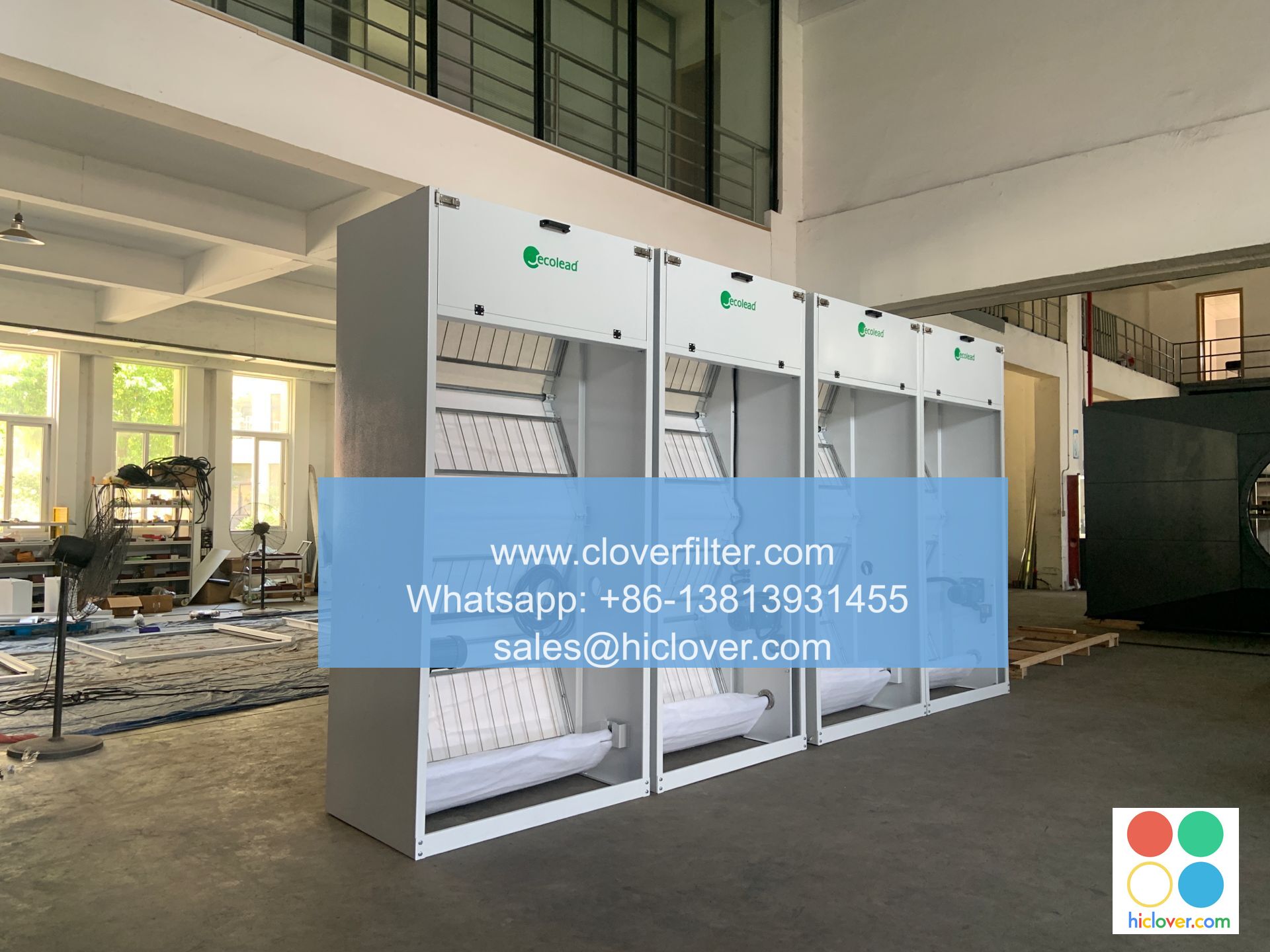
Air filters have become an essential component in maintaining good indoor air quality, particularly for individuals suffering from allergies and asthma. The impact of air filters on allergies and asthma cannot be overstated, as they play a crucial role in removing airborne allergens, irritants, and pollutants that can exacerbate respiratory issues. In this article, we will explore the significance of air filters in managing allergies and asthma, and highlight their various application areas.
Understanding Allergies and Asthma
Allergies and asthma are respiratory conditions that affect millions of people worldwide. Allergies occur when the immune system overreacts to harmless substances such as pollen, dust, mold, or pet dander, triggering symptoms like sneezing, congestion, and itchy eyes. Asthma, on the other hand, is a chronic condition characterized by inflammation and constriction of the airways, leading to wheezing, coughing, and shortness of breath. Both conditions can be triggered by poor indoor air quality, making air filters a vital tool in their management.
The Role of Air Filters in Allergy and Asthma Management
Air filters work by capturing airborne particles, including allergens, pollutants, and irritants, preventing them from circulating in the air and triggering allergic reactions or asthma attacks. High-efficiency particulate air (HEPA) filters, in particular, are designed to capture 99.97% of particles as small as 0.3 microns, making them an effective solution for removing allergens and irritants from the air. By using air filters, individuals with allergies and asthma can reduce their exposure to triggers, alleviate symptoms, and improve their overall quality of life.
Application Areas of Air Filters
Air filters have various application areas, including:
* Residential Air Purification: Whole-house air purifiers, portable air cleaners, and HVAC filters can be used to remove allergens and pollutants from indoor air, creating a healthier environment for individuals with allergies and asthma.
* Commercial Air Filtration: Air filters can be used in offices, schools, and healthcare facilities to improve indoor air quality, reduce absenteeism, and promote a healthier work environment.
* Industrial Air Purification: Air filters can be used in industrial settings to remove pollutants, dust, and other airborne particles, protecting workers from respiratory hazards and improving overall air quality.

Types of Air Filters
There are several types of air filters available, each with its own unique characteristics and benefits. Some of the most common types of air filters include:
* HEPA Filters: Designed to capture 99.97% of particles as small as 0.3 microns, HEPA filters are ideal for removing allergens, pollutants, and irritants from the air.
* Activated Carbon Filters: These filters use activated carbon to capture gases, odors, and chemicals, making them effective in removing volatile organic compounds (VOCs) and other pollutants.
* Ionizing Air Purifiers: These filters use ions to attract and trap airborne particles, making them a popular choice for removing allergens and pollutants from the air.
Conclusion
In conclusion, air filters play a vital role in managing allergies and asthma by removing airborne allergens, irritants, and pollutants from indoor air. By using high-quality air filters, individuals can reduce their exposure to triggers, alleviate symptoms, and improve their overall quality of life. With various application areas, including residential, commercial, and industrial settings, air filters are a versatile solution for improving indoor air quality and promoting healthier living and working environments. Whether you’re looking to alleviate allergy symptoms, reduce asthma attacks, or simply improve your overall health and wellbeing, air filters are an essential tool in maintaining good indoor air quality. It looks like you didn’t include a specific prompt for me to respond to. Could you please provide more details or clarify what you would like to talk about? I’m here to help with any questions or topics you have in mind!
