The Impact of Air Filters on Energy Efficiency and Utility Bills
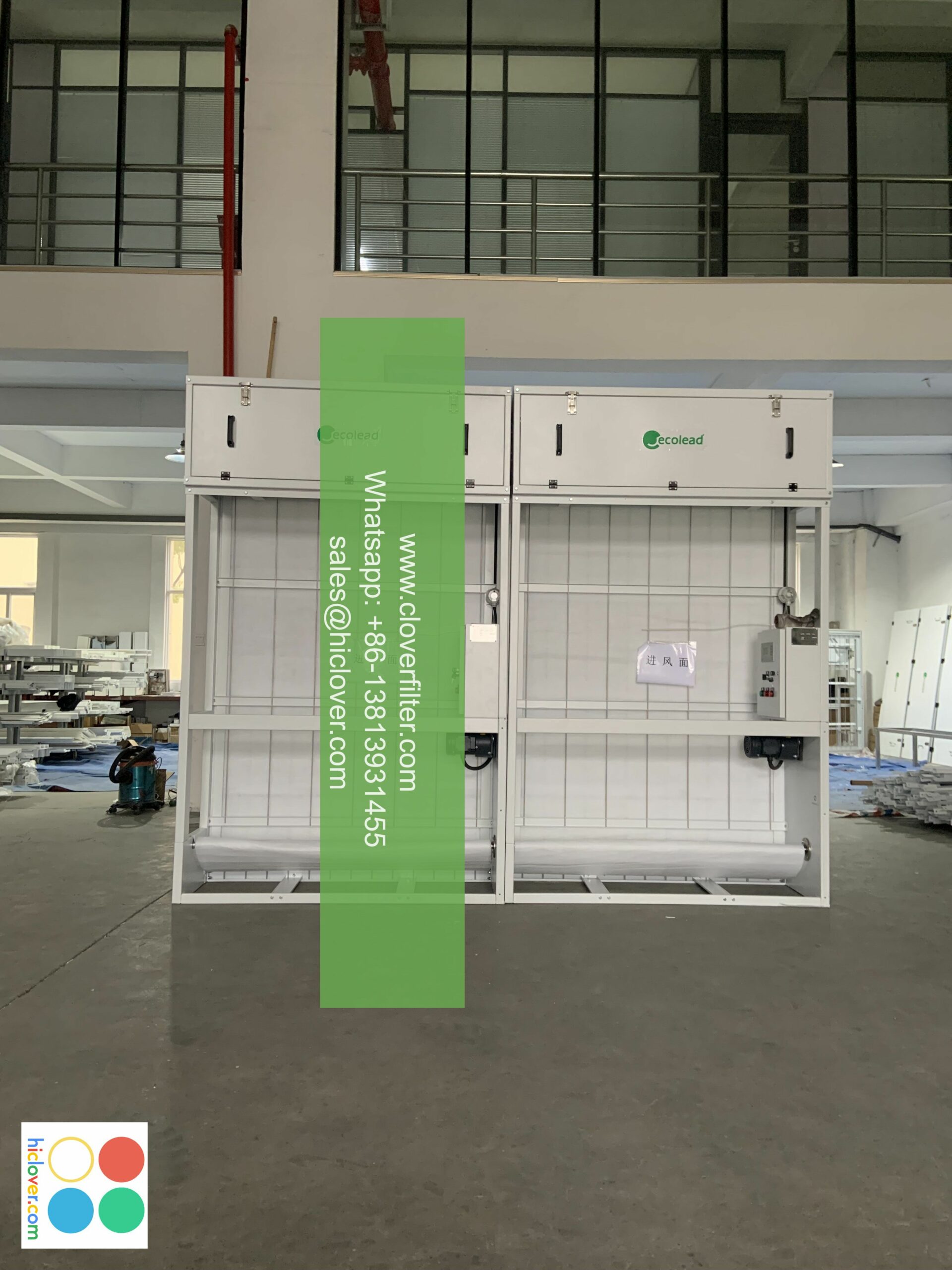
Air filters play a crucial role in maintaining good indoor air quality, but their impact extends beyond just air purification. The use of high-quality air filters can have a significant effect on energy efficiency and utility bills, making them a vital component of any commercial or residential building’s HVAC system. In this article, we will explore the relationship between air filters, energy efficiency, and utility bills, highlighting various application areas and key benefits of using advanced air filtration systems.
How Air Filters Affect Energy Efficiency
Air filters can impact energy efficiency in several ways. Firstly, a dirty or clogged air filter can cause the HVAC system to work harder, resulting in increased energy consumption. This is because the system has to overcompensate for the reduced airflow, leading to higher energy bills. On the other hand, a clean and efficient air filter can help reduce energy consumption by allowing for smooth airflow and optimal system performance. This is especially important in commercial buildings, where energy consumption can be a significant expense.
The Role of MERV Ratings in Energy Efficiency
The Minimum Efficiency Reporting Value (MERV) rating is a measure of an air filter’s ability to capture particles of different sizes. A higher MERV rating indicates a more efficient filter. However, it’s essential to note that a higher MERV rating can also mean increased air resistance, which can lead to higher energy consumption. Therefore, it’s crucial to balance the need for efficient air filtration with the need for energy efficiency. High-efficiency air filters with a MERV rating of 13 or higher can provide excellent air purification while minimizing energy consumption.
Application Areas for Energy-Efficient Air Filters
Energy-efficient air filters can be applied in various settings, including:

- Residential buildings: Homeowners can benefit from energy-efficient air filters by reducing their utility bills and improving indoor air quality.
- Commercial buildings: Office buildings, schools, and hospitals can all benefit from energy-efficient air filters, which can help reduce energy consumption and improve occupant health.
- Industrial settings: Manufacturing facilities and other industrial settings can use energy-efficient air filters to reduce energy consumption and improve air quality, which is critical for equipment performance and worker health.
Utility Bills and Air Filter Maintenance
Regular air filter maintenance is essential to ensure optimal energy efficiency and cost savings. A dirty or clogged air filter can increase energy consumption, leading to higher utility bills. By replacing air filters regularly, building owners and managers can help reduce energy consumption and save money on their utility bills. Additionally, smart air filtration systems can be used to monitor and optimize air filter performance, providing real-time data on energy consumption and air quality.
Conclusion
In conclusion, air filters play a vital role in maintaining energy efficiency and reducing utility bills. By using high-quality, energy-efficient air filters and maintaining them regularly, building owners and managers can save money, reduce energy consumption, and improve indoor air quality. Whether in residential, commercial, or industrial settings, energy-efficient air filters are a cost-effective solution for improving building performance and occupant health. As the demand for energy-efficient solutions continues to grow, the importance of air filters in achieving this goal will only continue to increase. You haven’t asked a question or provided any context. What would you like to talk about or ask?
