The Impact of Air Filtration on Air Quality

Understanding Air Quality
Air quality refers to the condition of the air within our surroundings and is affected by various factors, including pollutants, allergens, and particulates. Poor air quality has been linked to numerous health issues ranging from respiratory diseases to cardiovascular problems. As urbanization and industrialization continue to escalate, maintaining a healthy indoor air quality has become increasingly essential.
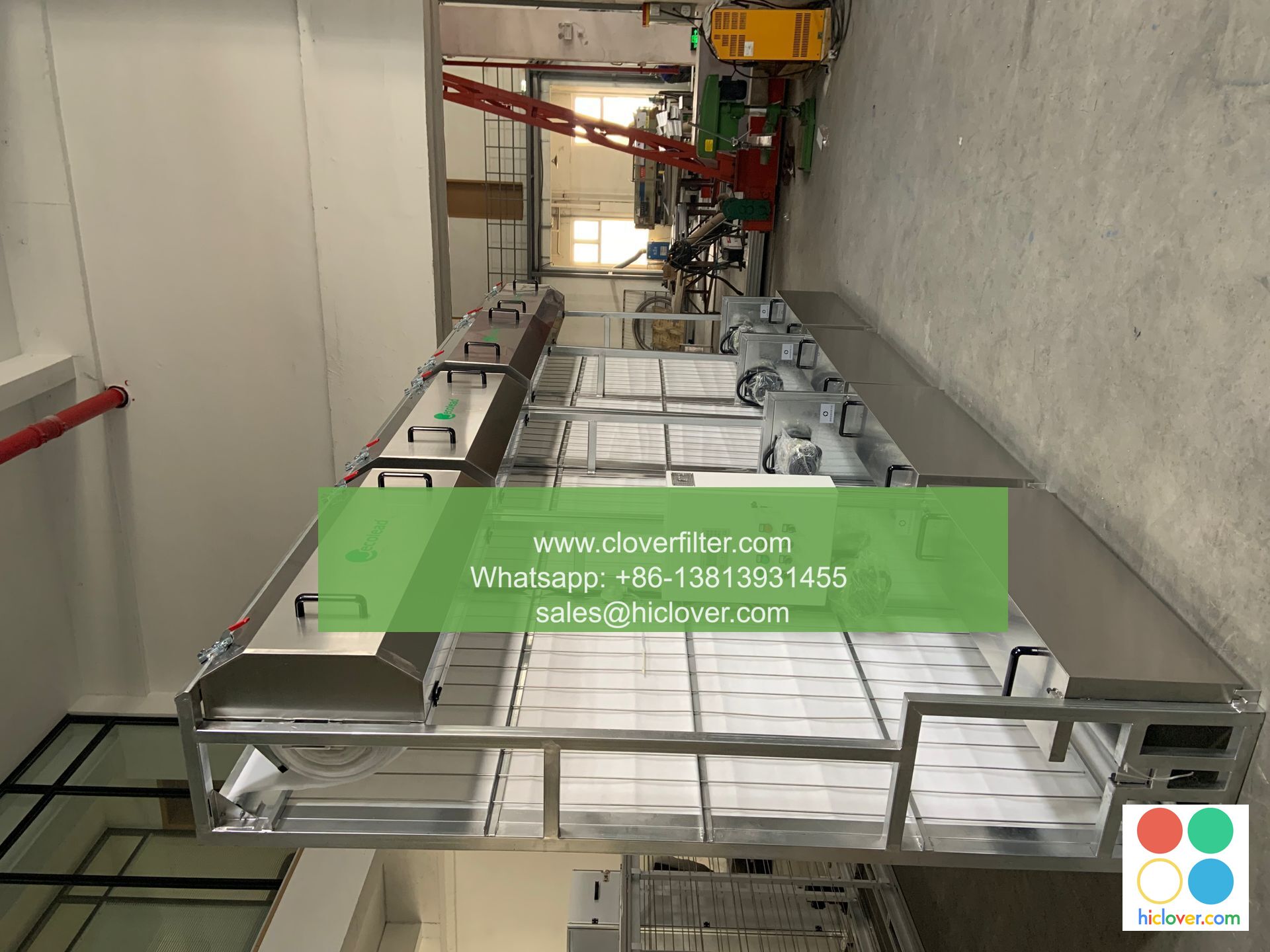
What is Air Filtration?
Air filtration is the process of removing contaminants from the air through various technologies and methods. Filters can capture dust, pollen, smoke, and other particulates, significantly improving the air we breathe. Different types of air filters exist, including HEPA (High-Efficiency Particulate Air) filters, activated carbon filters, and electrostatic filters, each designed for specific applications.
The Role of Air Filtration in Improving Indoor Air Quality
Implementing air filtration systems can immensely enhance indoor air quality. Here are some critical areas where air filtration makes a significant impact:
1. Residential Homes
In residential settings, air filters can trap dust mites, mold spores, and pet dander. Devices such as air purifiers and HVAC filters not only improve comfort but also reduce allergy symptoms and respiratory problems, particularly for vulnerable populations such as children and the elderly.

2. Commercial Spaces
Office buildings and retail spaces often utilize air filtration systems to create a healthier work environment. Cleaner air can boost employee productivity, reduce sick days, and enhance customer satisfaction. Investing in high-quality air filtration not only meets health guidelines but can also be a marketing advantage.
3. Industrial Applications
In industries, air filtration systems are essential for maintaining compliance with air quality regulations. Factories that deal with chemicals or produce particulate matter rely on advanced filtration systems to protect worker health and reduce environmental impact.
4. Healthcare Facilities
In hospitals and clinics, air filtration is critical to prevent the spread of airborne infections and provide a sterile environment. HEPA filters are commonly used in surgical rooms and patient wards to ensure the highest air quality standards.
The Benefits of Air Filtration
The impact of air filtration on air quality extends beyond immediate health benefits. Here are some renowned advantages:
- Reduction of Allergens: Filters significantly lower the presence of common allergens, making spaces livable for those with sensitivities.
- Enhanced Respiratory Health: Cleaner air reduces the risk of chronic respiratory diseases, particularly for individuals with pre-existing conditions.
- Odor Control: Activated carbon filters are effective in neutralizing unpleasant odors from food, pets, or smoke.
- Increased Energy Efficiency: Removing dirt and debris from HVAC systems enhances operation efficiency, leading to lower energy costs.
Conclusion
As we continue to face challenges related to air quality, the importance of effective air filtration systems becomes increasingly evident. By enhancing indoor environments—whether at home, in offices, or industrial facilities—air filtration plays a vital role in promoting public health and well-being. Investing in quality air filtration is not just a luxury; it’s a necessity in today’s air-polluted world.
It seems you’ve entered the word “Prompt.” Could you please provide more context or specify what you would like assistance with regarding prompts? Are you looking for writing prompts, creative ideas, or something else?
