The Impact of Air Quality on Electronics Assembly Plant Efficiency: Automatic Roll Air Filters
The Impact of Air Quality on Electronics Assembly Plant Efficiency
Maintaining optimal air quality is vital in various industrial sectors, particularly in electronics assembly plants where precision and environmental control are paramount. The air quality directly influences the overall efficiency of manufacturing processes, product quality, and workforce health. This article examines how air quality affects these plants and outlines the role of automatic roll air filters in enhancing performance and productivity.

Understanding the Relationship Between Air Quality and Plant Efficiency
Electronics assembly involves the integration of sensitive components that can easily be damaged by dust, humidity, or harmful pollutants. Poor air quality can lead to:
- Defective Products: Dust particles can accumulate on circuit boards and other sensitive areas, leading to short circuits and malfunctions.
- Increased Downtime: Contaminated environments often require increased maintenance and cleaning, resulting in loss of production time.
- Health Concerns: Workers in poor air quality conditions might face respiratory issues, affecting morale and productivity.
In light of these factors, ensuring high air quality becomes essential for maximizing operational efficiency and maintaining product standards within the plant.
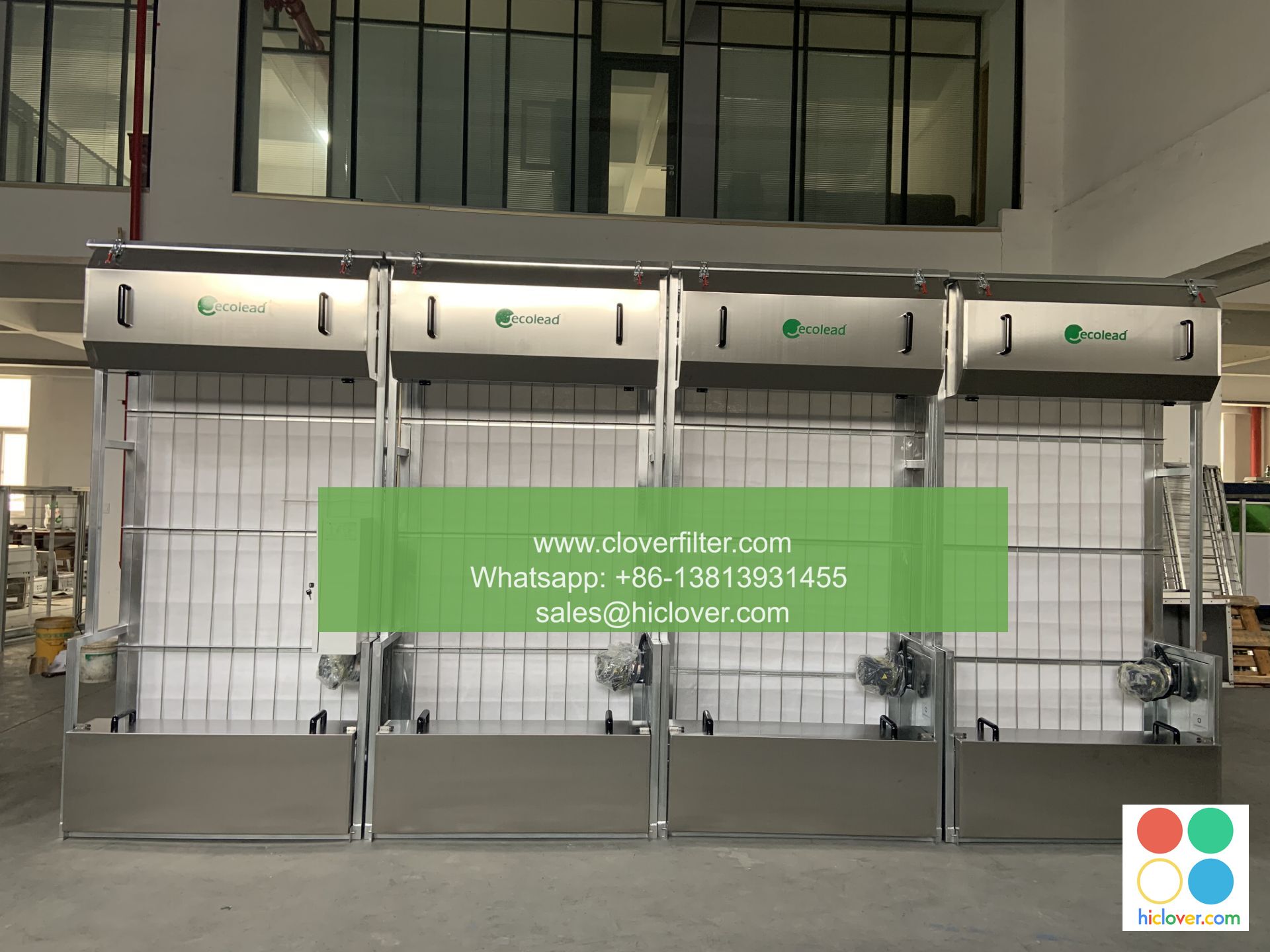
The Role of Automatic Roll Air Filters
Automatic roll air filters serve as critical components in maintaining air quality in electronics assembly environments. These systems are designed to capture and eliminate airborne particles and pollutants effectively. Key benefits include:
- Consistent Air Quality: Automatic roll air filters continuously cleanse the air, adapting to varying levels of airborne contaminants to maintain optimal quality.
- Energy Efficiency: Many modern air filters are equipped with energy-efficient technology, reducing operational costs while providing superior air filtration.
- Reduced Labor Costs: Automation eliminates the need for frequent manual replacements of filters, allowing personnel to focus on more critical tasks.
Cost-Benefit Analysis
Investing in automatic roll air filters may require an upfront cost, but the long-term benefits often outweigh such expenses:
- Improved Product Yield: Fewer defects lead to higher customer satisfaction and reduced costs associated with returns or replacements.
- Extended Equipment Life: Cleaner air reduces wear and tear on machinery, leading to lower maintenance and repair costs.
- Enhanced Employee Well-Being: A healthier work environment promotes better employee health, thus boosting productivity and reducing absenteeism.
Conclusion
In conclusion, air quality plays a crucial role in the efficiency of electronics assembly plants. By implementing automatic roll air filters, manufacturers can significantly improve air cleanliness, reduce defects, and enhance overall productivity. Ultimately, this investment not only benefits operations by lowering costs but also contributes to better worker health and morale, creating a more productive and sustainable work environment.
FAQs
What are automatic roll air filters?
Automatic roll air filters are advanced filtration systems designed to continuously clean the air in industrial environments by trapping dust, allergens, and other airborne particles.
How often should air filters be replaced?
The frequency of replacing air filters can vary based on usage and environmental conditions. However, automatic systems often monitor and signal when filters need to be changed.
Can poor air quality affect electronics performance?
Yes, poor air quality can lead to contamination of electronic components, resulting in increased defects and reduced overall performance of the products.
What are the signs of poor air quality in a plant?
Signs of poor air quality include visible dust accumulation, increased worker health complaints, and a rise in product defects.
