The Impact of Automatic Roll Air Filter on Biotech Research and Development: A Study
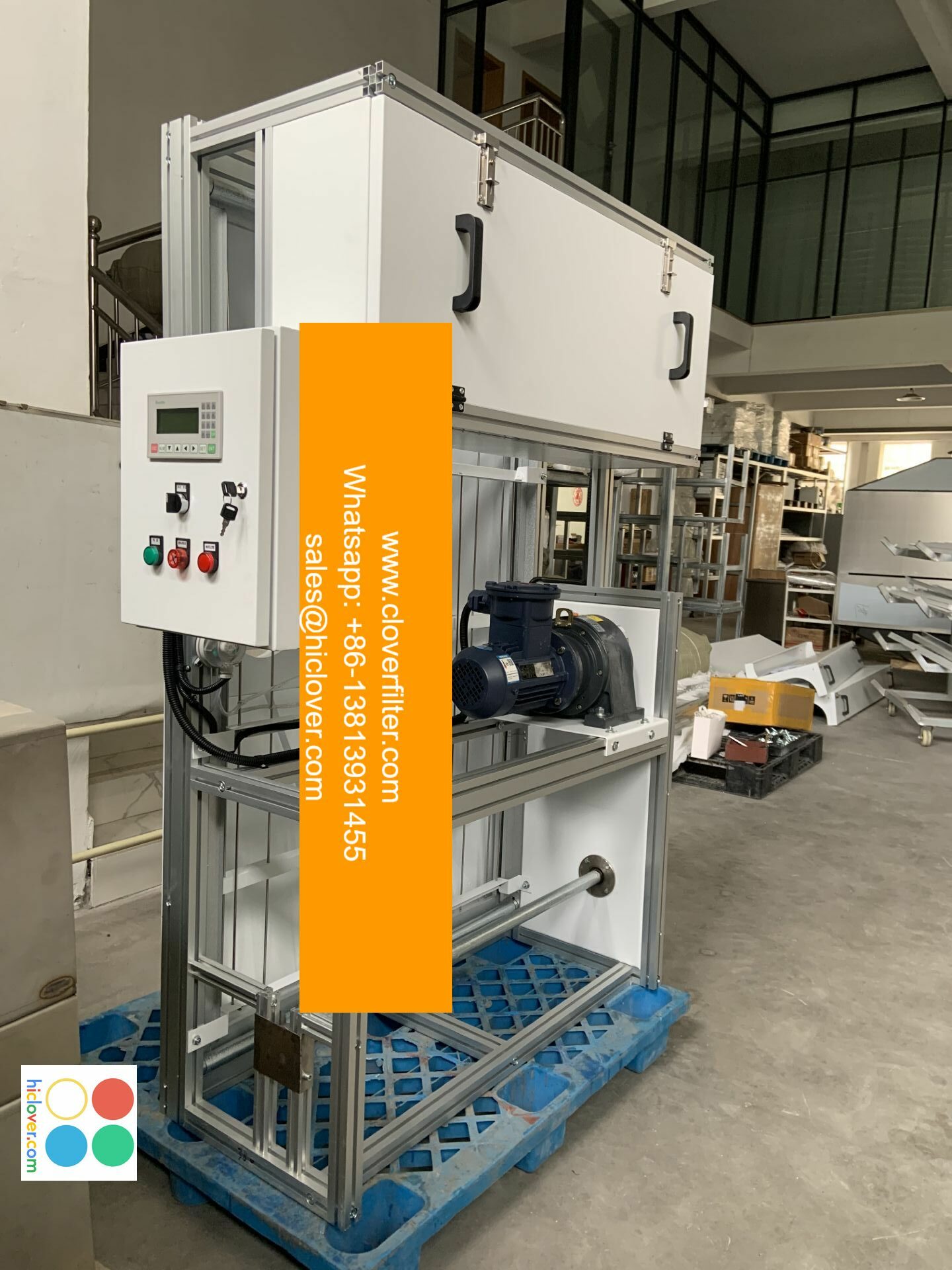
The Impact of Automatic Roll Air Filter on Biotech Research and Development
In the ever-evolving world of biotechnology, research and development (R&D) require a meticulously controlled environment. Among the many technological advancements contributing to this field, the Automatic Roll Air Filter (ARAF) has emerged as a critical component in ensuring high-quality, contaminant-free air in laboratory settings. This article explores the profound impact that ARAF has on biotech R&D, highlighting its role in enhancing experimental accuracy, safeguarding sample integrity, and promoting efficient workflows.

Enhanced Air Quality and Microbial Control
Biotechnology research often involves highly sensitive biological materials that can be severely affected by airborne contaminants. The ARAF system continuously filters and purifies air in laboratory environments, drastically reducing the risk of microbial contamination. This system utilizes advanced filtration media that not only capture dust and particulate matter but also filter out various types of microorganisms.
Studies have shown that implementing ARAF systems can lead to a marked reduction in contamination rates. This is particularly crucial during critical experiments such as cell cultures or genetic manipulations, where even a minute introduction of a contaminant can skew results or compromise the viability of samples.
Cost Efficiency Over Time
While the initial investment in ARAF technology may seem substantial, the long-term benefits are undeniable. Cost savings arise from reduced losses associated with contaminated samples, fewer re-runs of experiments, and less downtime due to maintenance. By providing consistently clean air, researchers can work confidently, knowing they are not jeopardizing their results due to environmental factors.

Improved Operational Efficiency
Laboratories are often bustling hubs for research activity, and maintaining optimal conditions can be challenging. The automatic nature of the ARAF system means it can adjust airflow and filter replacements without manual intervention. This automation allows researchers to focus on their work rather than worrying about air quality, thereby streamlining the entire research process.
Moreover, with real-time monitoring capabilities, the ARAF system can send alerts for filter changes and other maintenance needs. This proactive approach ensures that the laboratory environment remains stable, further contributing to the reliability of research outcomes.
Ensuring Compliance with Regulations
The biotech industry is heavily regulated, with strict guidelines regarding laboratory conditions and safety standards. The implementation of ARAF systems can aid in ensuring compliance with these regulations. By providing consistent air purity levels, labs can easily meet the required standards set forth by regulatory bodies, thus avoiding penalties and preserving their credibility in the research community.
Conclusion
The Automatic Roll Air Filter is more than just a filtering mechanism; it represents a paradigm shift in how biotechnology laboratories approach the critical aspect of air quality management. By reducing contamination risk, promoting cost efficiency, enhancing operational workflows, and ensuring regulatory compliance, ARAF systems play a pivotal role in promoting the integrity and success of biotech research. As biotechnology continues to advance, embracing innovations like the ARAF will remain essential in optimizing research capabilities and outcomes.
FAQs
- What is an Automatic Roll Air Filter?
- An Automatic Roll Air Filter is a sophisticated air filtration system designed to continuously filter and purify air in laboratory environments, minimizing contaminants and ensuring high-quality air.
- How does ARAF impact biotech research?
- ARAF systems enhance experimental accuracy, protect sample integrity, improve operational efficiency, and ensure compliance with regulatory standards by providing a consistent air quality control.
- Are ARAF systems costly to maintain?
- While initial installation might be expensive, ARAF systems save money in the long run through reduced sample contamination and the need for fewer experiments due to improved air quality.
- Can ARAF systems be integrated into existing lab infrastructure?
- Yes, ARAF systems are designed to be easily integrated into existing laboratory setups without significant modifications.
