The Impact of Automatic Roll Air Filters on Clean Zone Contamination Control at Sanofi Pasteur
Introduction to Clean Zone Contamination Control
Clean zone contamination control is a critical aspect of the pharmaceutical industry, particularly in vaccine manufacturing. Sanofi Pasteur, a leading vaccine manufacturer, requires meticulous control over airborne contaminants to ensure the quality and safety of its products. One key component in achieving this control is the use of automatic roll air filters (ARAFs). This article will explore the impact of ARAFs on clean zone contamination control at Sanofi Pasteur, highlighting their _efficacy_, _energy efficiency_, and _cost-effectiveness_ in various _application areas_.
Understanding Automatic Roll Air Filters (ARAFs)
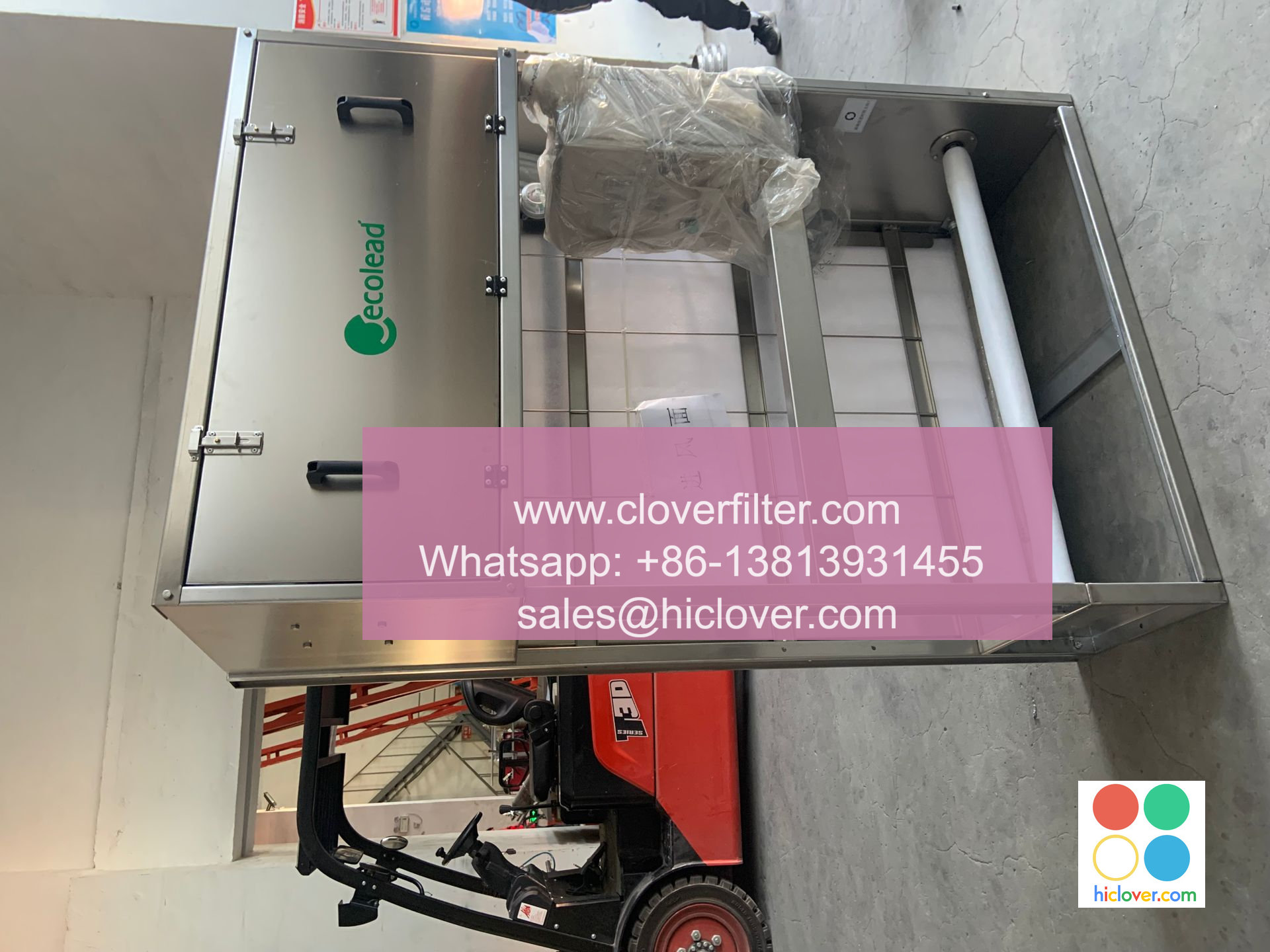
ARAFs are designed to provide _high-efficiency filtration_ of airborne particles, including _bacteria_, _viruses_, and _other contaminants_. These filters use a _rolling mechanism_ to advance a new filter media, ensuring a consistent _airflow_ and _filtration efficiency_. ARAFs are particularly useful in _clean rooms_, _laboratories_, and _pharmaceutical manufacturing facilities_ where _stringent cleanliness standards_ must be maintained.
Impact of ARAFs on Clean Zone Contamination Control at Sanofi Pasteur
The implementation of ARAFs at Sanofi Pasteur has had a significant _impact_ on clean zone contamination control. By providing _high-efficiency filtration_ of airborne particles, ARAFs have helped to _reduce contamination risks_ and _improve product quality_. Additionally, ARAFs have been shown to be _energy efficient_ and _cost-effective_, resulting in _lower operating costs_ and _increased productivity_.

Application Areas of ARAFs at Sanofi Pasteur
ARAFs have been successfully applied in various _application areas_ at Sanofi Pasteur, including:
* _Clean rooms_: ARAFs are used to maintain _strict cleanliness standards_ in clean rooms where vaccines are manufactured.
* _Laboratories_: ARAFs are used to provide _high-efficiency filtration_ of airborne particles in laboratories where vaccine research and development are conducted.
* _Pharmaceutical manufacturing facilities_: ARAFs are used to _reduce contamination risks_ and _improve product quality_ in pharmaceutical manufacturing facilities.
Conclusion
In conclusion, the implementation of automatic roll air filters (ARAFs) has had a significant _impact_ on clean zone contamination control at Sanofi Pasteur. By providing _high-efficiency filtration_ of airborne particles, ARAFs have helped to _reduce contamination risks_ and _improve product quality_. Additionally, ARAFs have been shown to be _energy efficient_ and _cost-effective_, resulting in _lower operating costs_ and _increased productivity_. As the pharmaceutical industry continues to evolve, the use of ARAFs is likely to become increasingly important in maintaining _stringent cleanliness standards_ and ensuring the _quality and safety_ of pharmaceutical products.
