The Impact of Automatic Roll Air Filters on Cleanroom Energy Efficiency in Montreal
The city of Montreal, known for its vibrant culture and history, is also a hub for various industries, including pharmaceuticals, electronics, and biotechnology. These industries rely heavily on cleanrooms, which are controlled environments that maintain extremely low levels of dust, humidity, and other contaminants. One crucial aspect of maintaining a cleanroom is the air filtration system, and automatic roll air filters have become an essential component in achieving optimal cleanroom energy efficiency.
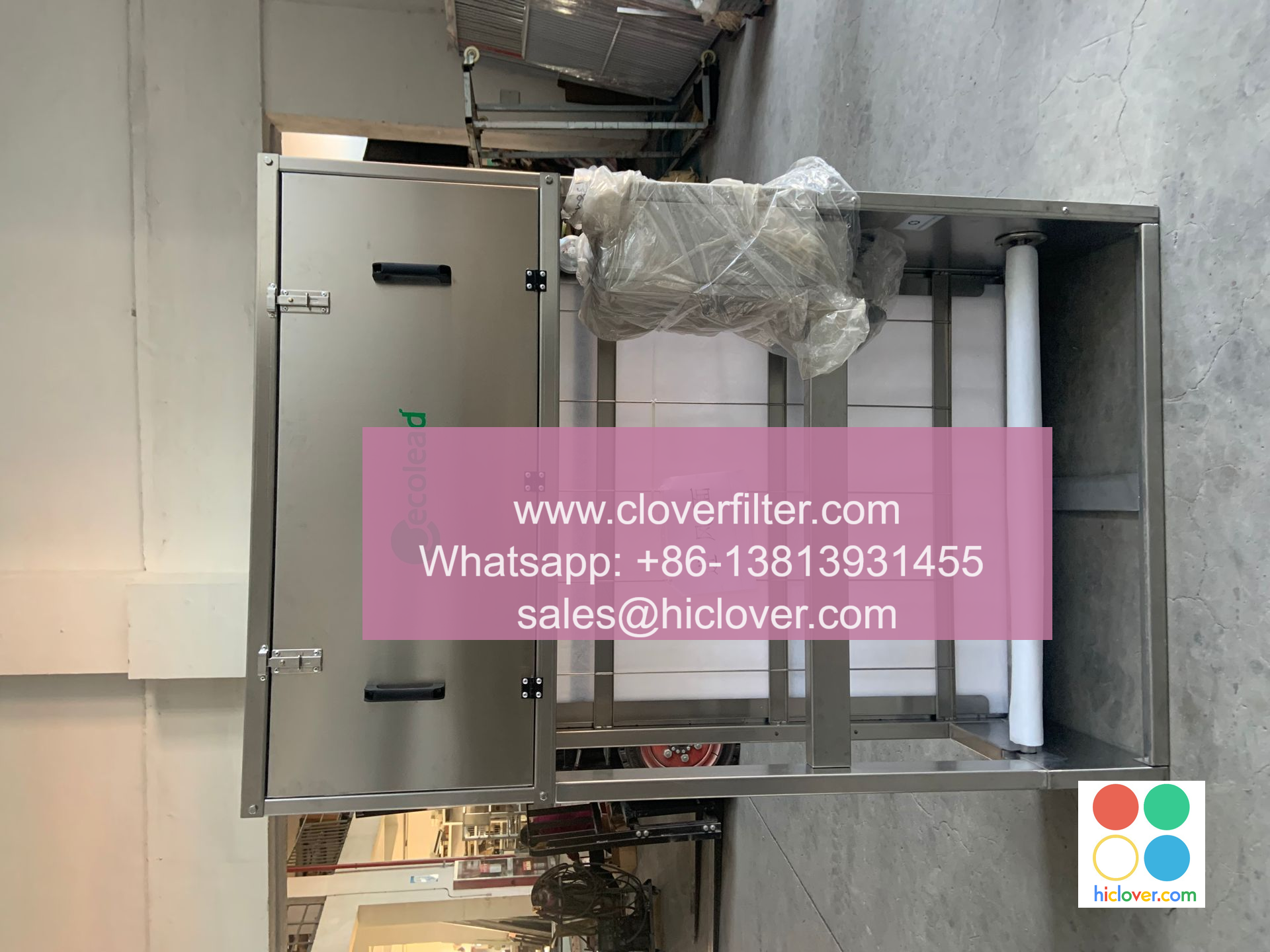
Traditional air filters can be a significant contributor to energy consumption in cleanrooms. They require frequent replacement, which can lead to increased labor costs and waste generation. Moreover, the energy required to power the fans and other equipment to push air through these filters can be substantial. Automatic roll air filters, on the other hand, offer a more energy-efficient solution. These filters are designed to automatically advance a new section of filter media as the old section becomes dirty, ensuring a consistent airflow and reducing the pressure drop across the filter.

The impact of automatic roll air filters on cleanroom energy efficiency in Montreal is multifaceted. Firstly, they reduce the energy required to power the fans and other equipment. By maintaining a consistent airflow and minimizing the pressure drop, the fans do not have to work as hard, resulting in lower energy consumption. This not only reduces the operating costs but also decreases the carbon footprint of the cleanroom. Secondly, automatic roll air filters minimize the need for frequent replacements, which reduces waste generation and the associated costs. Finally, these filters can be designed to optimize the use of energy-efficient motors and other components, further contributing to energy savings.
In addition to the energy efficiency benefits, automatic roll air filters also improve the overall performance of the cleanroom. By maintaining a consistent airflow, they ensure that the cleanroom environment remains stable and controlled, which is critical for sensitive manufacturing processes. Moreover, the reduced pressure drop across the filter results in less turbulence and particle disruption, which can compromise the integrity of the cleanroom.
The adoption of automatic roll air filters in Montreal’s cleanrooms is also driven by regulatory requirements and industry standards. The city’s cleanroom facilities must comply with strict regulations and guidelines, such as those set by the International Organization for Standardization (ISO) and the International Society for Pharmaceutical Engineering (ISPE). Automatic roll air filters can help these facilities meet these standards by providing a reliable and efficient air filtration system.
Furthermore, the use of automatic roll air filters can also contribute to the overall sustainability of Montreal’s cleanroom industry. By reducing energy consumption and waste generation, these filters can help minimize the environmental impact of cleanroom operations. This is particularly important in a city like Montreal, which is committed to reducing its carbon footprint and promoting sustainable development.

In conclusion, automatic roll air filters have a significant impact on cleanroom energy efficiency in Montreal. By reducing energy consumption, minimizing waste generation, and improving overall performance, these filters can help cleanroom facilities optimize their operations and reduce their environmental footprint. As the city’s cleanroom industry continues to grow and evolve, the adoption of automatic roll air filters is likely to become increasingly important for maintaining a competitive edge and complying with regulatory requirements.
Frequently Asked Questions (FAQs)
Q: What is the average lifespan of an automatic roll air filter in a cleanroom environment?
A: The average lifespan of an automatic roll air filter can vary depending on the specific application and operating conditions. However, most filters can last for several months to a year or more before needing to be replaced.
Q: How do automatic roll air filters compare to traditional air filters in terms of cost?
A: While the initial cost of an automatic roll air filter may be higher than a traditional air filter, the long-term savings in energy consumption and reduced maintenance costs can make them a more cost-effective option.
Q: Can automatic roll air filters be used in conjunction with other air filtration systems?
A: Yes, automatic roll air filters can be used in conjunction with other air filtration systems, such as HEPA filters or ULPA filters, to provide a comprehensive air filtration solution for cleanrooms.
Q: Are automatic roll air filters suitable for use in all types of cleanrooms?
A: Automatic roll air filters can be used in a variety of cleanroom applications, including pharmaceutical, biotechnology, and electronics manufacturing. However, the specific requirements of the cleanroom and the type of filter media used may vary depending on the application.
