The Impact of Automatic Roll Air Filters on UCLA’s Research Funding
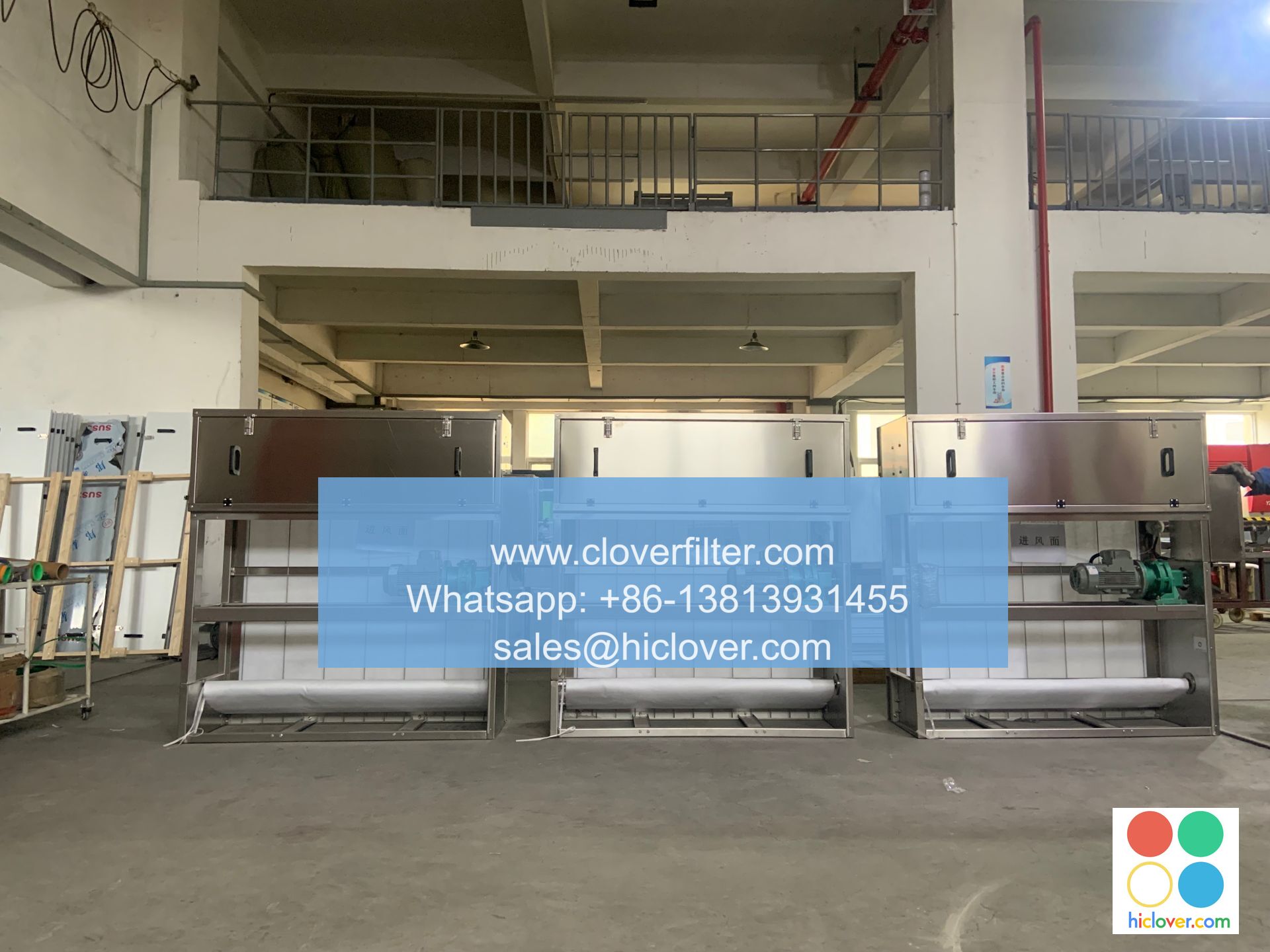
In recent years, the increasing demand for clean air technologies has emerged as a pivotal factor influencing research funding across various academic institutions, including the University of California, Los Angeles (UCLA). Among the innovative solutions gaining traction are automatic roll air filters, which have shown significant promise in both environmental and health-related applications. This article delves deeper into how these systems impact research funding at UCLA, while also exploring their application in various domains.
What are Automatic Roll Air Filters?

Automatic roll air filters are advanced filtration systems designed to efficiently capture airborne pollutants, allergens, and microbes. They operate using a continuous roll of filter material that can automatically maintain optimal performance, reducing the need for manual replacement and ensuring consistent air quality. As researchers at UCLA explore innovative engineering solutions, these systems stand out for their potential to enhance indoor air quality, especially in environments such as laboratories, hospitals, and classrooms.
Research Funding at UCLA: A Growing Focus on Air Quality
UCLA has long been at the forefront of environmental research and health sciences, securing substantial funding from both public and private sector sources. The recent focus on sustainable practices and clean air technologies has positioned the university to attract increased grants and funding opportunities. The integration of automatic roll air filters into research projects has opened new avenues for collaboration with industry partners, thereby enhancing funding prospects.
Key Areas of Application
The versatility of automatic roll air filters lends itself to various research domains, including:

- Environmental Science: Researchers are studying the efficiency of these filters in urban environments plagued by smog and particulate matter.
- Public Health: The filters are being tested in hospitals to assess their ability to reduce airborne infections.
- Engineering Innovations: Engineers are developing smarter filtration systems that can be integrated with existing HVAC systems for improved energy efficiency.
- Aerospace and Defense: Research teams are exploring applications in airborne surveillance to secure cleaner air in sensitive environments.
Attracting Industry Partnerships
The development and implementation of automatic roll air filters have attracted interest from numerous industry players, including corporations specializing in HVAC technologies and public health initiatives. By partnering with these entities, UCLA enhances its attractiveness as a research institution capable of leveraging funding for innovative projects. Such collaborations can lead to increased grants, investments, and sponsorships directed towards the university’s ongoing research efforts.
Future Implications
As the call for cleaner air solutions echoes across the globe, the investment in automated air filtration technologies will likely continue to grow. For UCLA, the integration of automatic roll air filters not only signifies a commitment to environmental sustainability but also reinforces its position as a leader in interdisciplinary research. The university’s ability to secure funding in this arena will depend on ongoing innovations and the successful application of these technologies across multiple sectors.
Conclusion
In summary, automatic roll air filters represent a transformative step in addressing air quality challenges that can significantly affect public health and the environment. UCLA has the opportunity to harness this technology to bolster its research funding and further its mission of advancing knowledge. By exploring various application areas and fostering industry partnerships, UCLA is well-positioned to lead the charge in developing sustainable solutions that benefit society at large.
