The Impact of Automatic Roll Air Filters on UCLA’s Research Productivity

The University of California, Los Angeles (UCLA) is a world-renowned research institution, consistently ranked among the top universities globally. With a strong focus on innovation and discovery, UCLA’s research productivity is crucial to its success. Recently, the university has implemented automatic roll air filters in its research facilities, which has had a significant impact on its research productivity. In this article, we will explore the application areas where these filters have made a difference and highlight the benefits they have brought to the university.
Introduction to Automatic Roll Air Filters
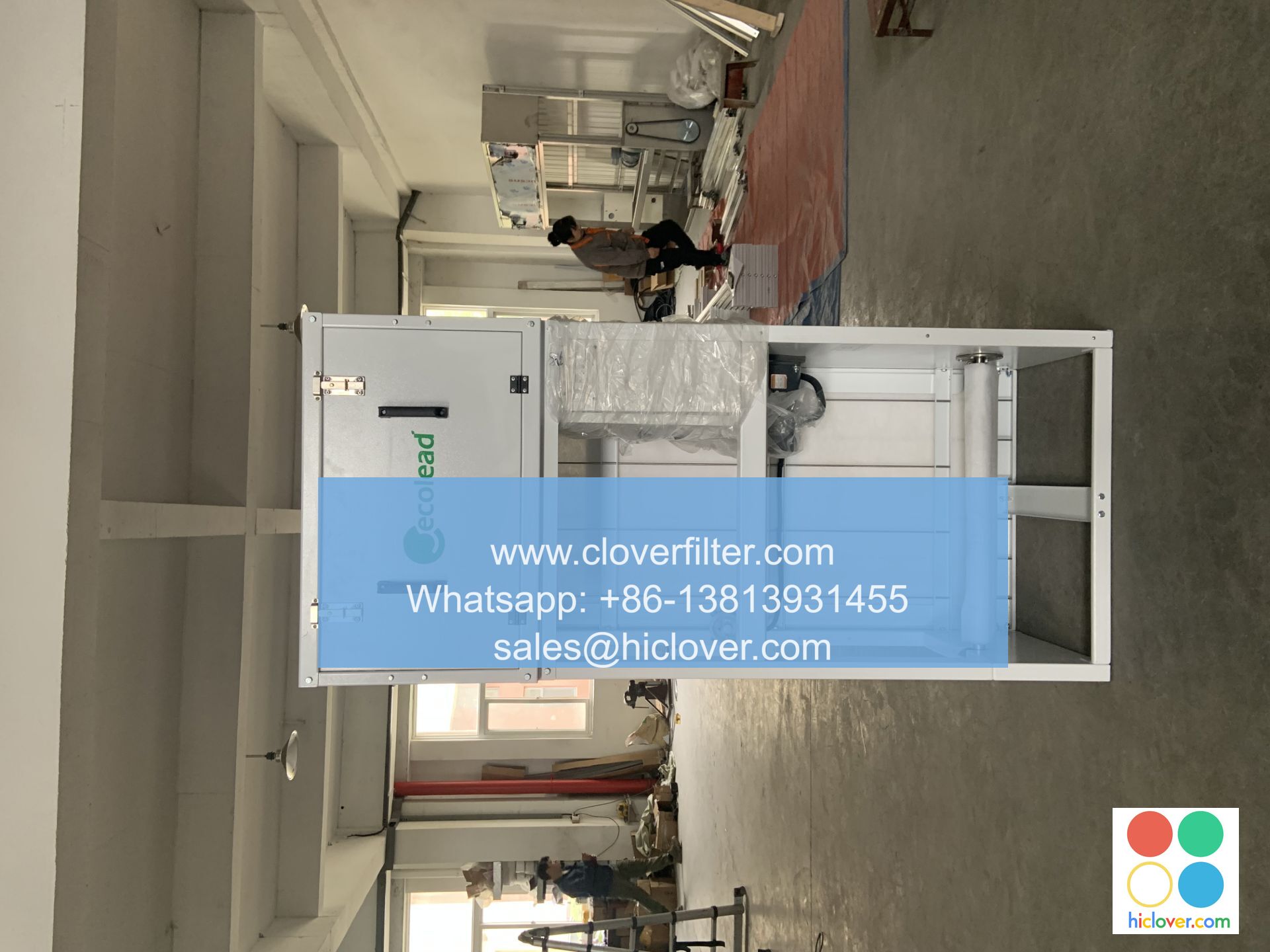
Automatic roll air filters are a type of air filtration system that uses a rolling filter media to capture particulate matter and contaminants from the air. These filters are designed to provide high-efficiency filtration while minimizing energy consumption and maintenance costs. By installing these filters in its research facilities, UCLA aimed to create a cleaner and healthier environment for its researchers and students.
Application Areas
The automatic roll air filters have been installed in various research facilities across UCLA, including:
* Laboratories: The filters have been installed in laboratories where sensitive equipment and experiments are conducted. The clean air environment provided by the filters has helped to reduce contamination and errors in research experiments.
* Animal research facilities: The filters have been installed in animal research facilities to provide a clean and healthy environment for the animals. This has helped to reduce animal stress and health problems, which can impact research results.
* Computer rooms: The filters have been installed in computer rooms to protect sensitive equipment from dust and other contaminants. This has helped to reduce equipment failure and downtime.
Benefits
The installation of automatic roll air filters has brought several benefits to UCLA’s research productivity, including:
* Improved air quality: The filters have provided a cleaner and healthier environment for researchers and students, which has helped to reduce health problems and absenteeism.
* Increased equipment lifespan: The filters have helped to reduce equipment failure and downtime by protecting sensitive equipment from dust and other contaminants.
* Enhanced research accuracy: The clean air environment provided by the filters has helped to reduce contamination and errors in research experiments, which has enhanced the accuracy and reliability of research results.
* Energy efficiency: The filters have helped to reduce energy consumption and greenhouse gas emissions, which has contributed to UCLA’s sustainability goals.
Conclusion
The installation of automatic roll air filters has had a significant impact on UCLA’s research productivity. By providing a cleaner and healthier environment, reducing equipment failure and downtime, and enhancing research accuracy, these filters have contributed to the university’s success in innovation and discovery. As UCLA continues to push the boundaries of knowledge and understanding, the use of automatic roll air filters will remain an important component of its research infrastructure.
