The Impact of Automatic Roll Air Filters on UCLA’s Student Research Experience
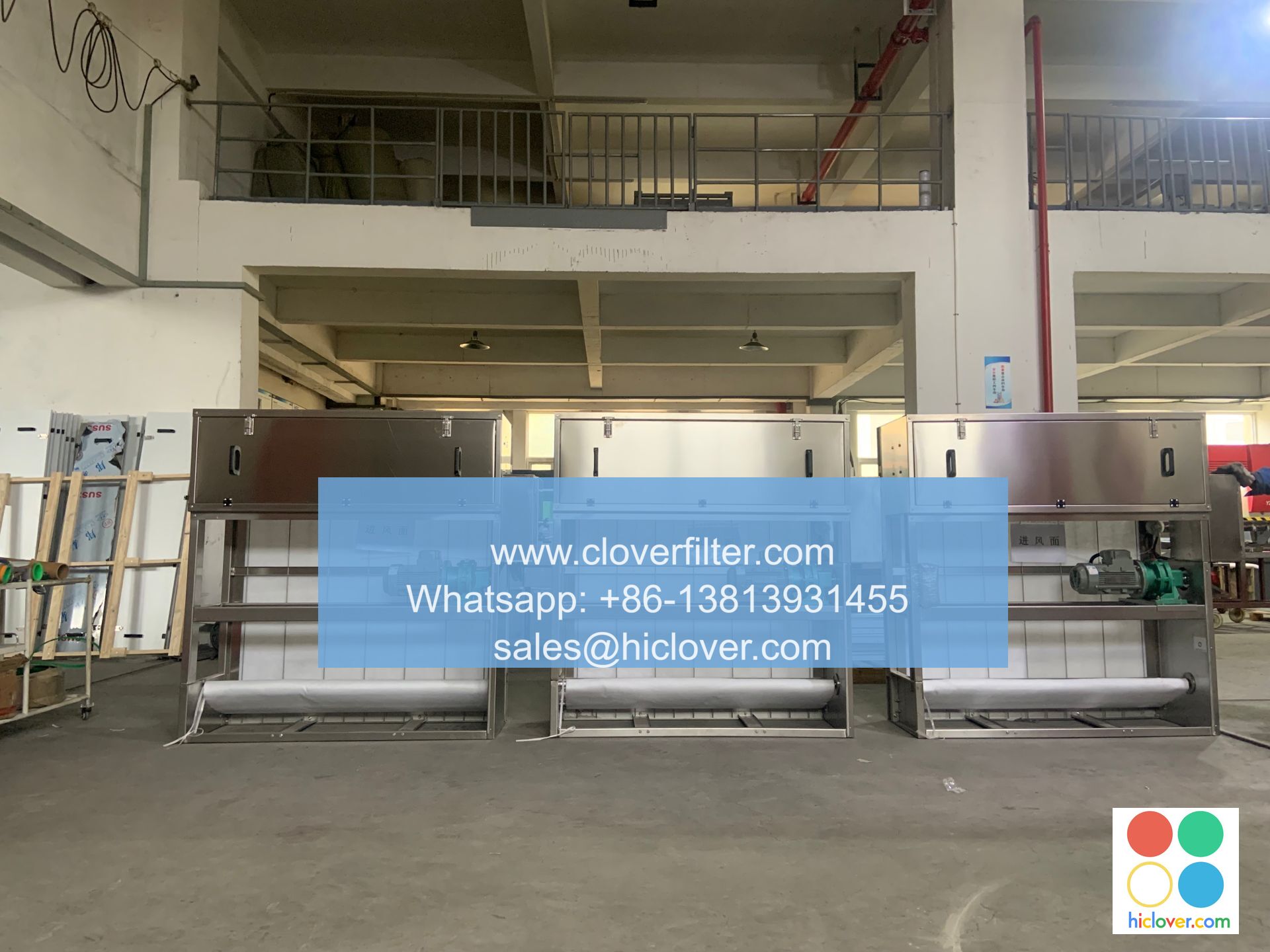
At the forefront of research innovation, the University of California, Los Angeles (UCLA) has continually strived to enhance the research environment for its students. A recent development in this domain is the incorporation of automatic roll air filters, which have significantly transformed the research experience across various disciplines.
Improving Air Quality in Research Laboratories
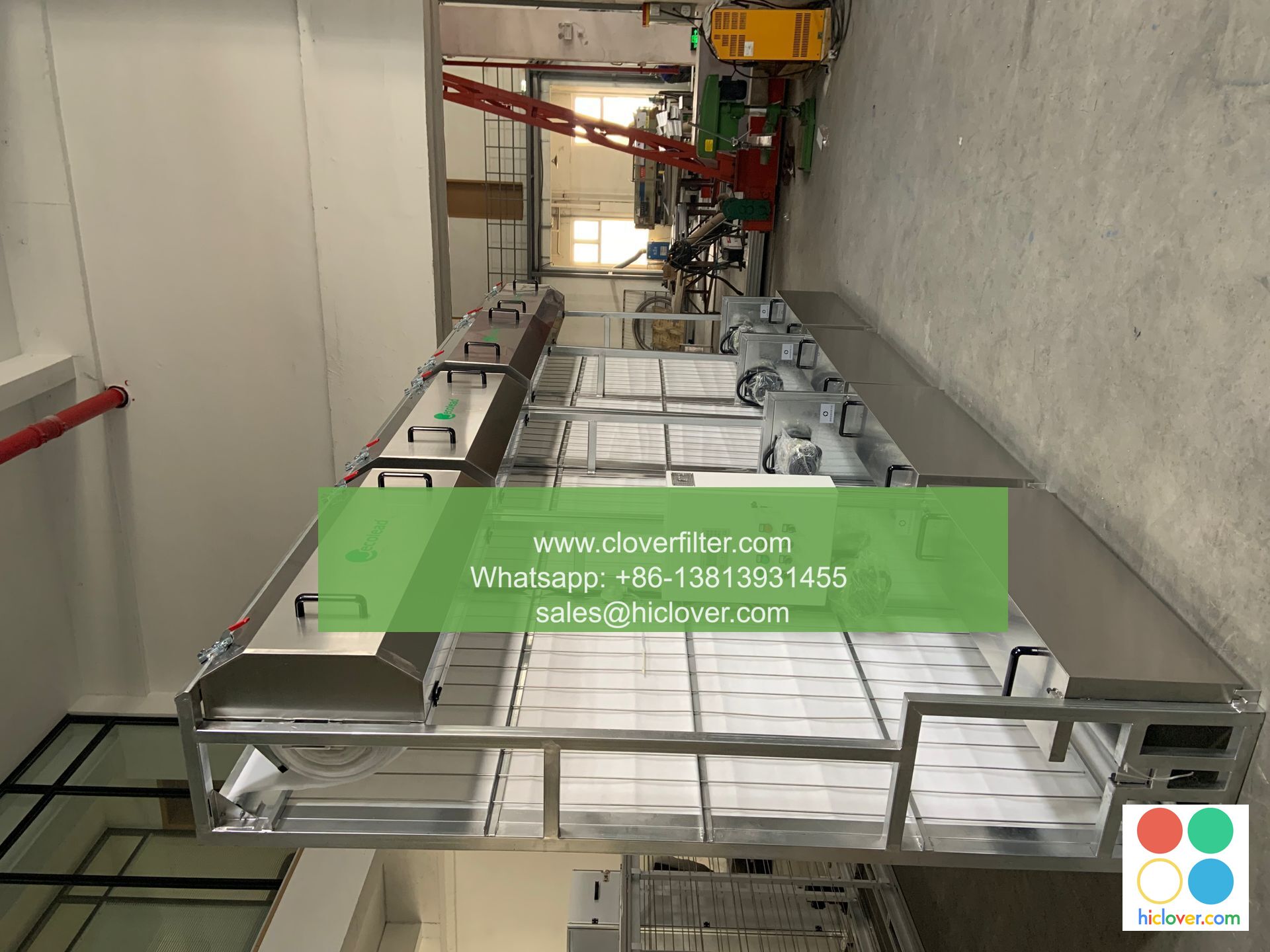
One of the primary applications of automatic roll air filters is in improving the air quality within research laboratories. Many labs at UCLA focus on sensitive experiments that require stringent control over environmental conditions. High-efficiency air filtration ensures that airborne contaminants do not interfere with delicate research processes such as:
- Biological experiments
- Chemical analyses
- Material science testing
Enhanced Focus and Productivity
Clean air directly contributes to enhanced student focus and productivity. With fewer allergens and pollutants, researchers can devote more attention to their experiments, ultimately leading to:
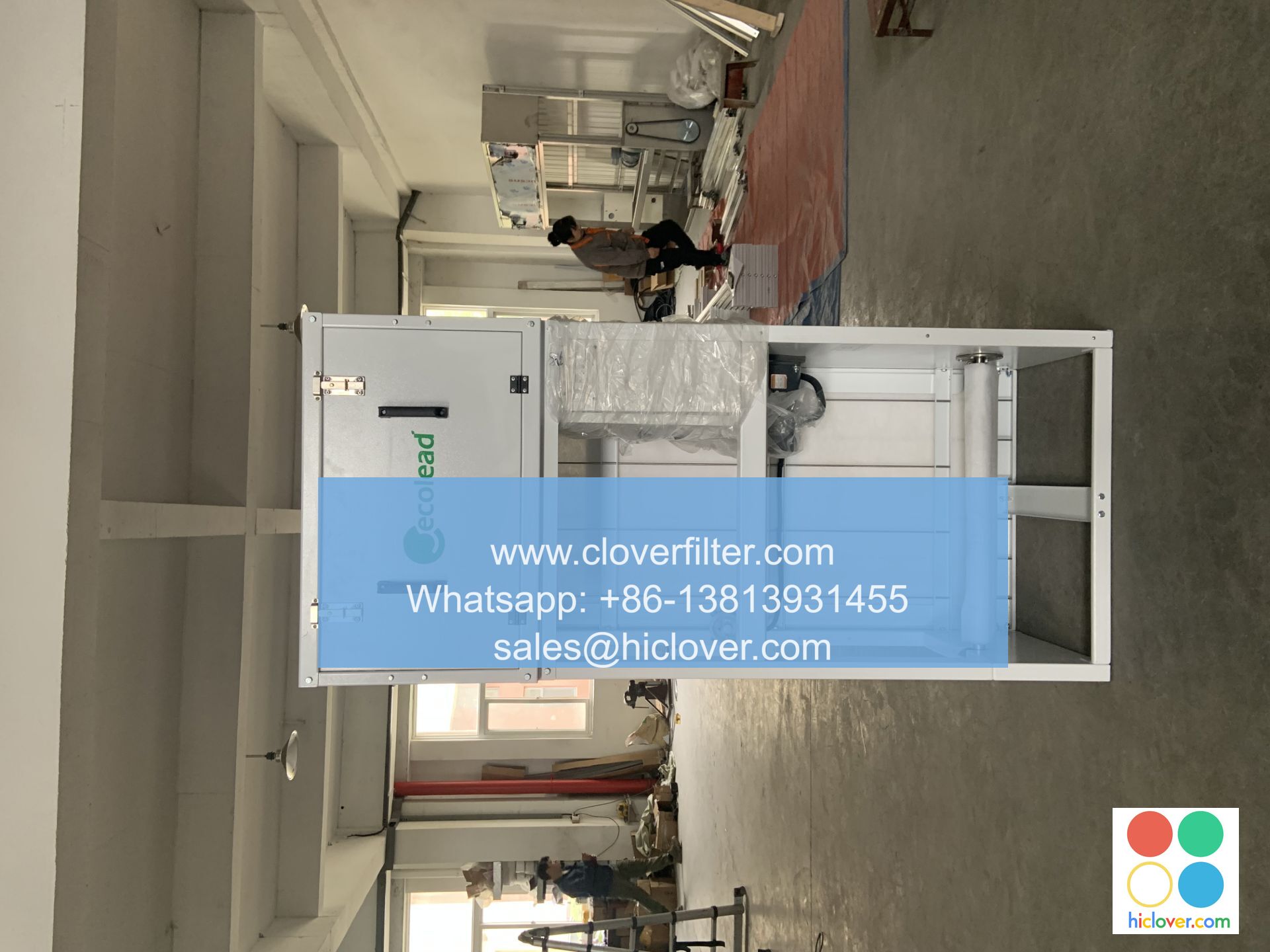
- Increased accuracy in experimental results
- Reduced risk of health-related disruptions
- More efficient utilization of research time
Support for Diverse Research Areas
The versatility of automatic roll air filters reaches beyond a single discipline. UCLA’s diverse research areas can benefit vastly, including:
- Health Sciences: Ensures sterile environments for clinical and laboratory research.
- Environmental Studies: Provides clean air for sustainable energy research.
- Engineering: Supports innovation in material fabrication by reducing contaminants.
Training and Development Opportunities
Integrating advanced filtration systems also opens new doors for student training. UCLA students can now gain hands-on experience with:
- Operating and maintaining automatic air filtration systems
- Conducting air quality assessments
- Applying engineering principles to real-world challenges
Challenges and Future Directions
While the benefits of automatic roll air filters are evident, challenges such as initial installation costs and maintenance must be addressed. UCLA is committed to exploring sustainable funding options and technologies to ensure that all research facilities can benefit from these advancements. Future research may lead to:
- Enhanced filtration technologies
- Smart air quality monitoring systems
- Greater collaboration across departments to optimize usage
Conclusion
The implementation of automatic roll air filters at UCLA undoubtedly enhances the student research experience. By fostering a healthier work environment, supporting diverse fields, and providing valuable training opportunities, these filters play a crucial role in advancing research quality and output. As UCLA continues to evolve as a research powerhouse, such innovations will remain at the core of its mission to equip students for the challenges of tomorrow.
