The Impact of Automatic Roll Air Filter’s Technology on Cleanroom Energy Efficiency
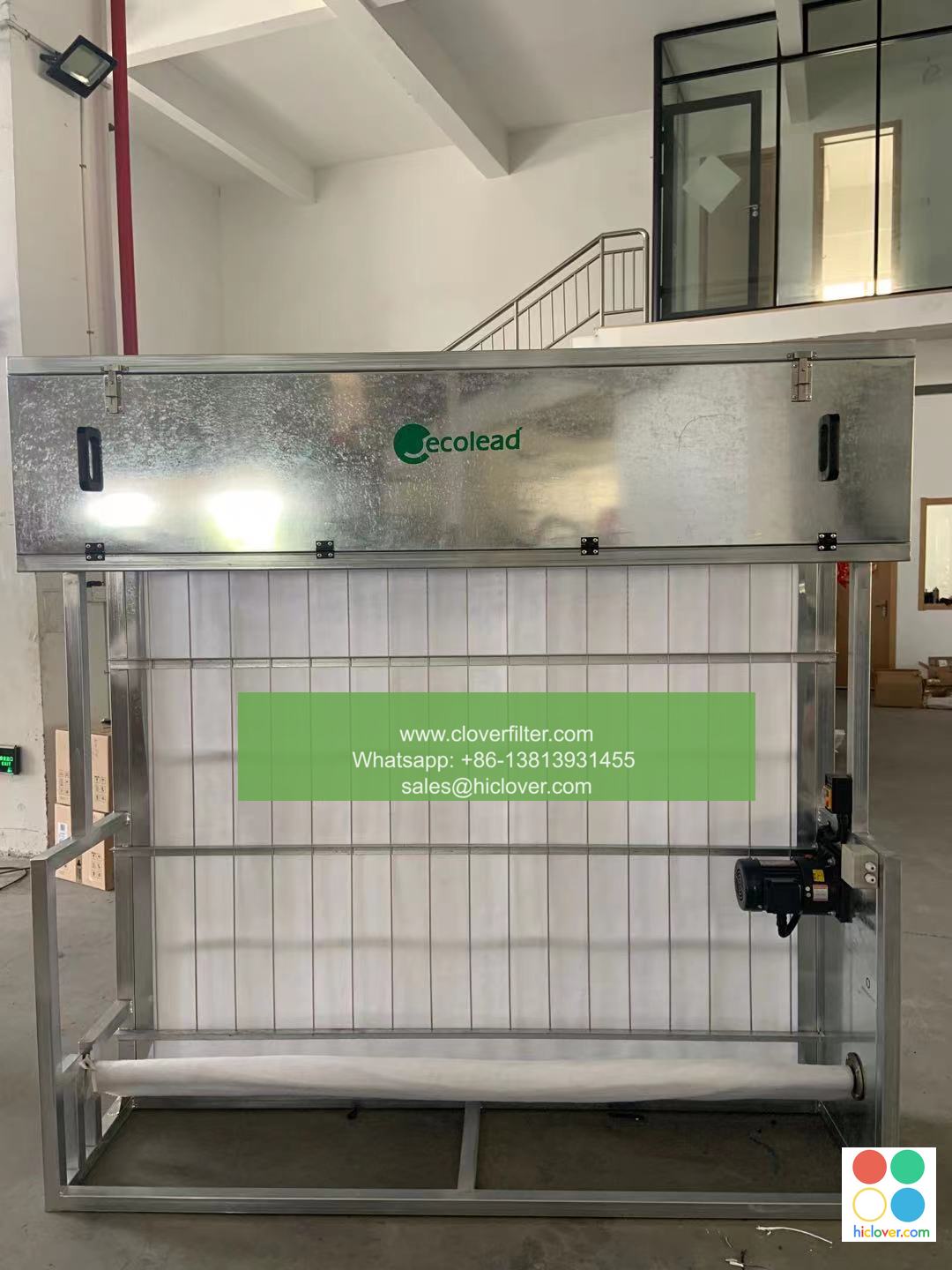
The increasing demand for cleanrooms in various industries such as pharmaceuticals, biotechnology, and semiconductor manufacturing has led to a growing focus on energy efficiency in these controlled environments. Cleanrooms are designed to minimize dust, particles, and other contaminants, which requires significant amounts of energy to maintain the precise temperature, humidity, and air quality conditions. One technology that has gained attention in recent years for its potential to improve cleanroom energy efficiency is the Automatic Roll Air Filter (ARAF). In this article, we will explore the impact of ARAF technology on cleanroom energy efficiency and its benefits.
Traditional air filtration systems in cleanrooms rely on manual replacement of filters, which can lead to increased energy consumption due to the need for frequent filter changes and the resulting downtime. ARAF technology, on the other hand, uses a automated roll-up filter system that continuously feeds a new filter media, eliminating the need for manual intervention. This results in a significant reduction in energy consumption, as the system can operate continuously without interruptions.

The ARAF technology also improves the overall air quality in cleanrooms by providing a consistent and reliable air filtration process. The continuous replacement of filter media ensures that the air is always filtered to the highest standards, reducing the risk of contamination and improving the overall quality of the air. This is particularly important in industries where even the smallest particles can have a significant impact on the quality of the products being manufactured.
In addition to the energy efficiency and air quality benefits, ARAF technology also offers several other advantages. The automated system reduces the need for manual labor, which can be a significant cost savings in industries where labor costs are high. The system also provides real-time monitoring and reporting, allowing facility managers to track energy consumption and air quality in real-time, making it easier to identify areas for improvement.
Another significant benefit of ARAF technology is its ability to integrate with existing building management systems (BMS). This allows facility managers to control and monitor the air filtration system remotely, making it easier to optimize energy consumption and air quality. The integration with BMS also enables the system to respond to changes in the cleanroom environment, such as changes in temperature or humidity, by adjusting the air filtration process accordingly.
The impact of ARAF technology on cleanroom energy efficiency is significant, with some studies showing energy savings of up to 50% compared to traditional air filtration systems. The technology also offers a quick return on investment, with payback periods of less than two years in some cases. The reduced energy consumption and lower operational costs also make ARAF technology an attractive option for companies looking to reduce their environmental footprint and improve their sustainability.
In conclusion, the Automatic Roll Air Filter technology has a significant impact on cleanroom energy efficiency, offering several benefits including reduced energy consumption, improved air quality, and lower operational costs. The technology is also scalable and can be integrated with existing building management systems, making it an attractive option for companies looking to improve their cleanroom operations. As the demand for cleanrooms continues to grow, the adoption of ARAF technology is likely to become more widespread, leading to significant energy savings and improved sustainability in the industry.
Frequently Asked Questions
Q: What is Automatic Roll Air Filter (ARAF) technology?
ARAF technology is an automated air filtration system that uses a continuous roll-up filter media to provide high-quality air filtration in cleanrooms.
Q: How does ARAF technology improve energy efficiency in cleanrooms?
ARAF technology improves energy efficiency by reducing the need for manual filter changes, which can lead to increased energy consumption due to downtime and frequent filter replacements.
Q: Can ARAF technology be integrated with existing building management systems (BMS)?
Yes, ARAF technology can be integrated with existing BMS, allowing facility managers to control and monitor the air filtration system remotely and optimize energy consumption and air quality.
Q: What are the benefits of using ARAF technology in cleanrooms?
The benefits of using ARAF technology in cleanrooms include reduced energy consumption, improved air quality, lower operational costs, and a quick return on investment.
Q: Is ARAF technology scalable?
Yes, ARAF technology is scalable and can be designed to meet the specific needs of different cleanroom environments.
