The Impact of IoT on Air Filter Technology
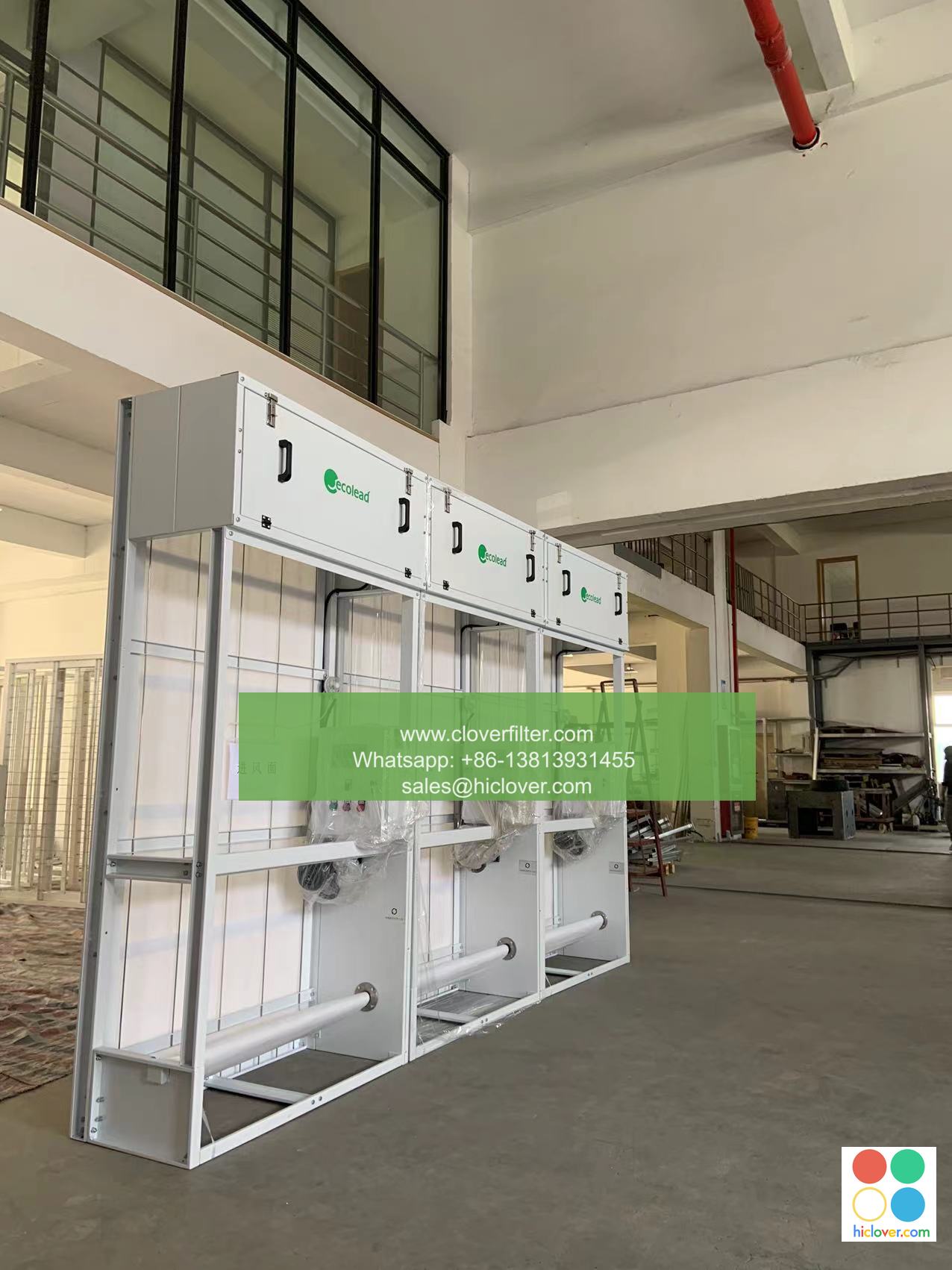
The Internet of Things (IoT) has been transforming various industries, and air filter technology is no exception. The integration of IoT with air filter systems has led to the development of smart air filtration systems that can monitor, control, and optimize indoor air quality in real-time. This article will explore the impact of IoT on air filter technology, highlighting various application areas, and the benefits it brings to indoor air quality management, energy efficiency, and smart building automation.
Enhanced Air Quality Monitoring and Control
IoT-enabled air filters can be equipped with air quality sensors that detect and measure various pollutants, such as particulate matter (PM), nitrogen dioxide (NO2), and volatile organic compounds (VOCs). These sensors can transmit real-time data to the cloud, enabling remote monitoring and data analytics to identify trends and patterns. This information can be used to optimize air filter performance, ensuring that the air is clean and healthy to breathe. Additionally, IoT-enabled air filters can be integrated with building management systems (BMS) to control and optimize heating, ventilation, and air conditioning (HVAC) systems, leading to improved energy efficiency and reduced energy consumption.
Smart Maintenance and Predictive Maintenance
IoT-enabled air filters can also be equipped with predictive maintenance capabilities, which use machine learning algorithms and data analytics to predict when maintenance is required. This can help prevent air filter failures, reduce downtime, and optimize maintenance schedules. Furthermore, IoT-enabled air filters can be integrated with computerized maintenance management systems (CMMS) to streamline maintenance workflows and improve overall facility management.
Application Areas: Residential, Commercial, and Industrial
The impact of IoT on air filter technology is being felt across various application areas, including:
* Residential air filtration: IoT-enabled air filters can be integrated with smart home systems to provide real-time monitoring and control of indoor air quality, leading to improved indoor air quality and health benefits.
* Commercial air filtration: IoT-enabled air filters can be used in office buildings, retail stores, and restaurants to improve indoor air quality, reduce energy consumption, and enhance occupant comfort.
* Industrial air filtration: IoT-enabled air filters can be used in manufacturing facilities, data centers, and hospitals to improve indoor air quality, reduce equipment downtime, and enhance process control.

Conclusion
In conclusion, the impact of IoT on air filter technology is revolutionizing the way we manage indoor air quality, energy efficiency, and smart building automation. With the integration of IoT, air filter systems can become smarter, more efficient, and more effective in providing clean and healthy air. As the demand for indoor air quality management and smart building automation continues to grow, the use of IoT-enabled air filters is expected to become increasingly prevalent across various application areas, leading to a healthier, more sustainable, and more connected future. Prompt
