The Impact of Nanotechnology on Air Filter Standards and Design
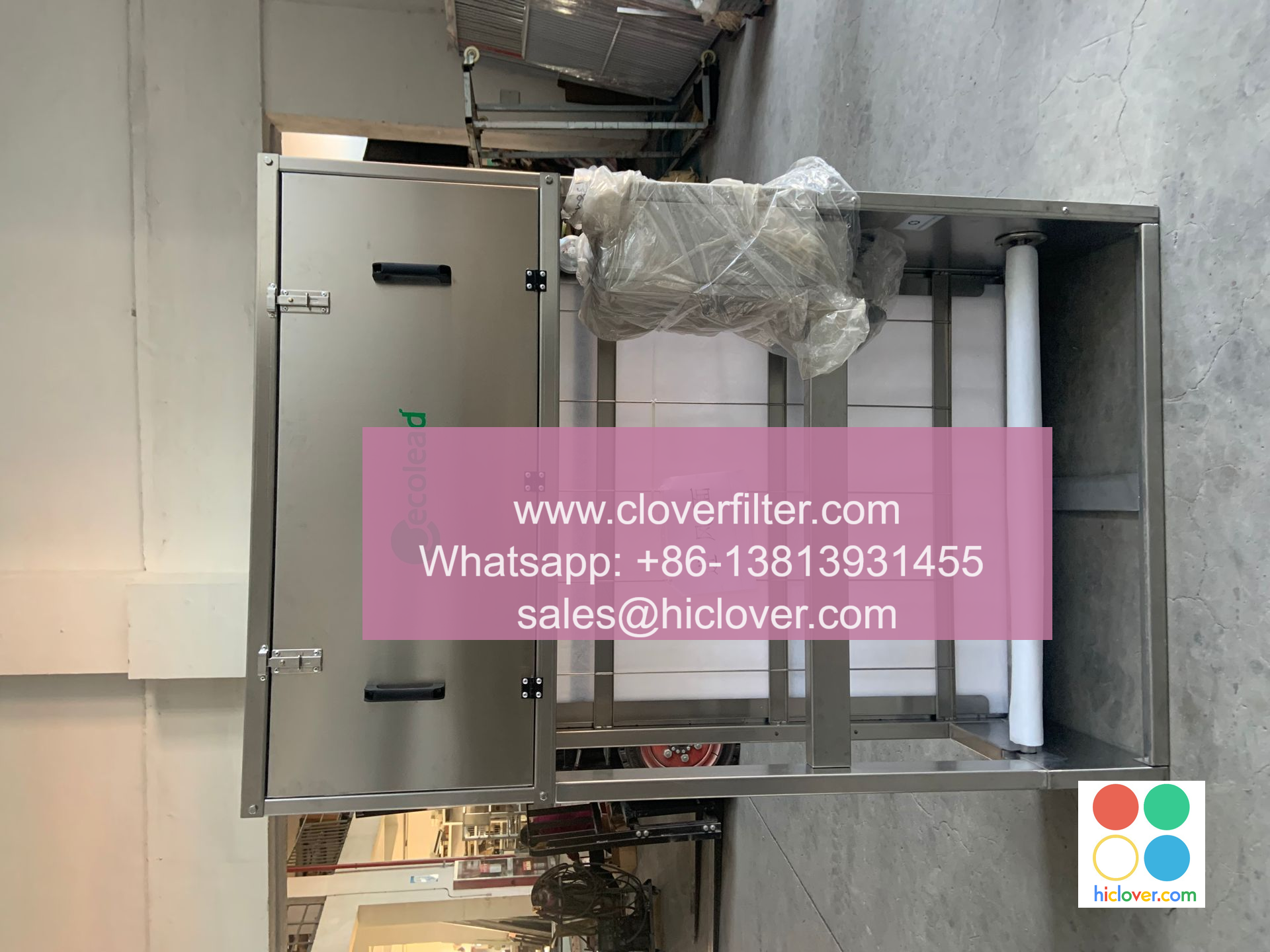
The integration of nanotechnology into air filter standards and design has revolutionized the way we approach air purification, marking a significant shift towards more efficient and effective indoor air quality management. By leveraging the unique properties of nanomaterials, air filter manufacturers can now create products that are not only more powerful but also more energy-efficient and cost-effective. This article explores the impact of nanotechnology on air filter standards and design, highlighting various application areas where this technology is making a notable difference.
Enhanced Filtration Efficiency with Nanofibers
One of the most significant contributions of nanotechnology to air filter design is the introduction of nanofibers. These ultra-fine fibers, typically measuring less than 1 micron in diameter, are woven into nanofiber filters that can capture even the smallest aerosol particles and microorganisms, including viruses and bacteria. The use of nanofibers in air filters has led to a significant enhancement in filtration efficiency, making them particularly effective in hospital settings, laboratories, and other high-risk environments where airborne pathogens are a major concern.
Improving Air Filter Performance with Nanoparticles
Nanoparticles are another area where nanotechnology is making a substantial impact on air filter standards and design. By incorporating nano-sized particles into air filter media, manufacturers can enhance the surface area of the filter, allowing for better gas phase filtration and vapor removal. This is particularly beneficial in industrial settings where volatile organic compounds (VOCs) and other hazardous chemicals are present. The use of nano-enabled air filters in these environments can significantly reduce the risk of occupational exposure to harmful substances.
Nanotechnology in Air Filter Media: A New Era of Sustainability
The application of nanotechnology in air filter media is not only improving filtration performance but also contributing to a more sustainable and environmentally friendly approach to air purification. For instance, nanocellulose-based air filters are being developed as a more biodegradable and renewable alternative to traditional filter materials. This shift towards green technology in air filtration is expected to have a positive impact on waste reduction and energy conservation, aligning with global efforts to mitigate climate change and promote sustainable development.

Future Directions: Integrating Nanotechnology with Other Technologies
As nanotechnology continues to evolve, its integration with other technologies such as artificial intelligence (AI), Internet of Things (IoT), and biotechnology is expected to further transform the air filter industry. The development of smart air filters that can monitor and adjust to changing indoor air quality conditions in real-time is one potential area of innovation. Additionally, the use of biotechnological approaches to create bio-based air filters that can not only capture but also degrade pollutants is another exciting frontier. These advancements will not only enhance air filter performance but also contribute to a healthier and more sustainable built environment.
Conclusion
In conclusion, the impact of nanotechnology on air filter standards and design is profound, offering significant improvements in filtration efficiency, energy efficiency, and sustainability. As this technology continues to advance, it is expected to play a critical role in addressing the global challenge of indoor air pollution, contributing to better public health outcomes and a more sustainable future. Whether in residential, commercial, or industrial settings, the application of nanotechnology in air filters is set to redefine the standards of air quality management, paving the way for a cleaner, healthier, and more technologically advanced world. It seems like you didn’t include a prompt. Could you please provide more details or specify what you would like to know or discuss? I’m here to help with a wide range of topics!
