The Importance of Air Filter Certification for Compliance with Industry Standards
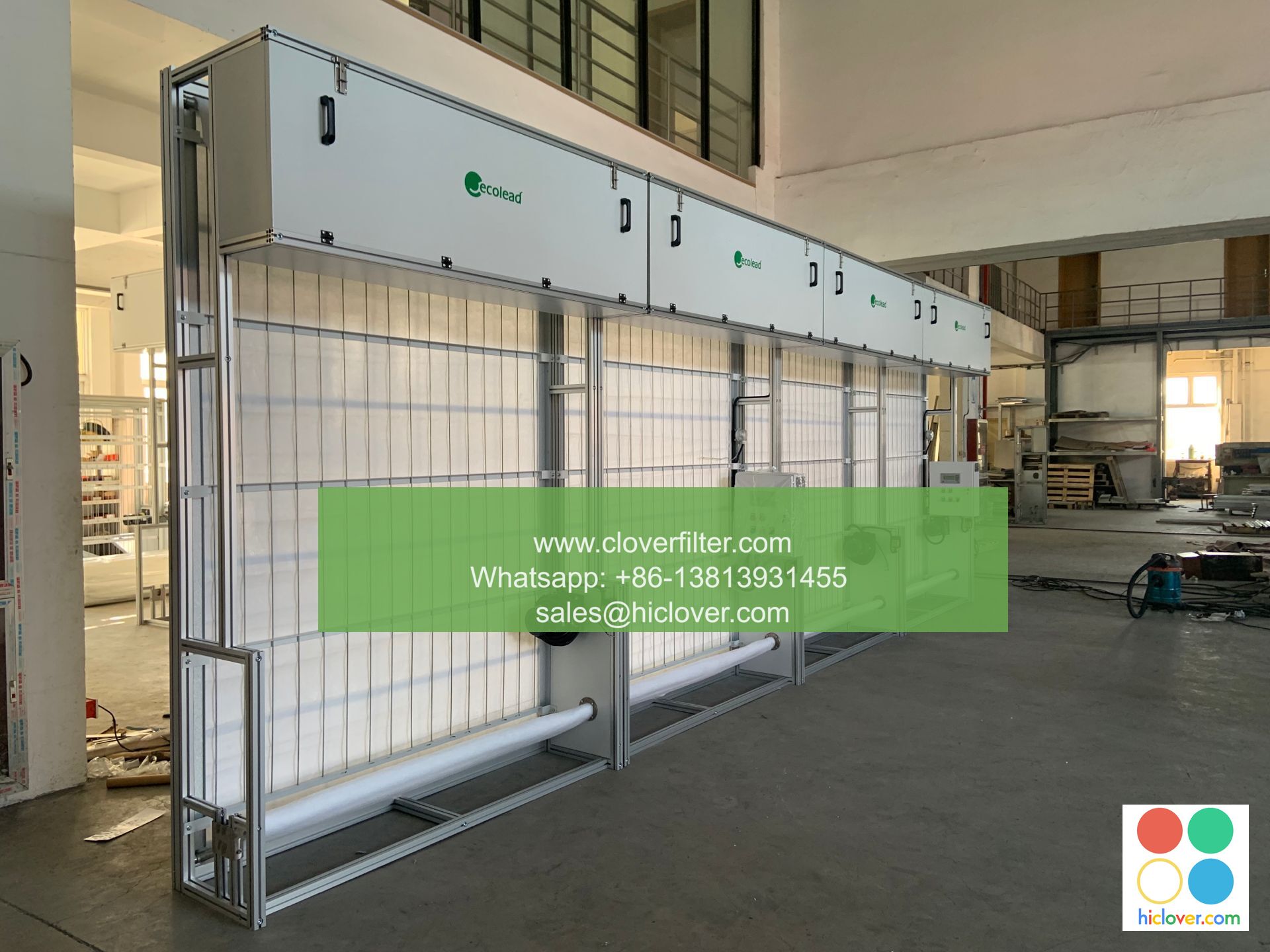
In today’s world, maintaining high air quality is essential not only for health reasons but also for compliance with industry regulations. Air filter certification serves as a key indicator that air filtration products meet recognized standards, thereby supporting various industries in achieving compliance and enhancing performance.
Understanding Air Filter Certification

Air filter certification involves rigorous testing and evaluation by recognized organizations to ensure that air filters meet specific performance criteria. These certifications may include HEPA (High Efficiency Particulate Air), MERV (Minimum Efficiency Reporting Value), and ISO 16890 standards. Meeting these standards not only assures users of the filter’s effectiveness but also helps businesses comply with local and international regulations.
Application Areas for Certified Air Filters
Healthcare Facilities
In healthcare settings, such as hospitals and clinics, the quality of air is crucial to prevent the spread of infectious diseases. Certified air filters help to maintain sterile environments by removing pollutants, allergens, and pathogens. Compliance with standards such as ASHRAE 170 is essential for ensuring optimal indoor air quality.
Manufacturing Industries
In manufacturing, especially in sectors like pharmaceuticals, food production, and electronics, the presence of contaminants can compromise product quality. Air filters must be certified to safeguard against particulate contamination. Compliance with industry standards ensures that manufacturers can deliver safe and high-quality products to their consumers.

Commercial Buildings
Certified air filters are vital in commercial buildings to enhance comfort, improve indoor air quality, and ensure compliance with LEED (Leadership in Energy and Environmental Design) standards. Proper air filtration contributes to employee well-being and productivity while reducing energy costs and environmental impact.
Automotive and Aerospace Industries
In the automotive and aerospace sectors, certified air filters are crucial for engine performance and efficiency. They help maintain optimal airflow and protect sensitive components from dirt and contaminants. Compliance with regulations ensures reliability and safety in these highly regulated industries.
Benefits of Air Filter Certification
Obtaining and maintaining air filter certification offers several significant benefits:
- Enhanced Performance: Certified air filters have demonstrated their effectiveness in removing harmful particles and improving air quality.
- Regulatory Compliance: Certification helps companies comply with applicable regulations, reducing the risk of penalties.
- Marketability: Products that meet certification standards are often more attractive to consumers who prioritize quality and safety.
- Trust: Certification builds consumer trust in a brand or product, essential for maintaining a competitive edge.
Conclusion
In conclusion, air filter certification is not just a regulatory requirement but a vital component of effective air quality management across various industries. Whether in healthcare, manufacturing, commercial buildings, or automotive applications, certified air filters ensure compliance with industry standards, promote safety, and enhance overall air quality. As businesses and individuals increasingly recognize the importance of clean air, investing in certified air filters is an investment in health, safety, and sustainability.
It looks like you entered “Prompt,” but there’s no specific question or context given. Could you please provide more details or clarify what you’d like to discuss or inquire about? Whether it’s a writing prompt, a topic for discussion, or something else, I’m here to help!
