The Importance of Air Filter Contacts in Commercial Development
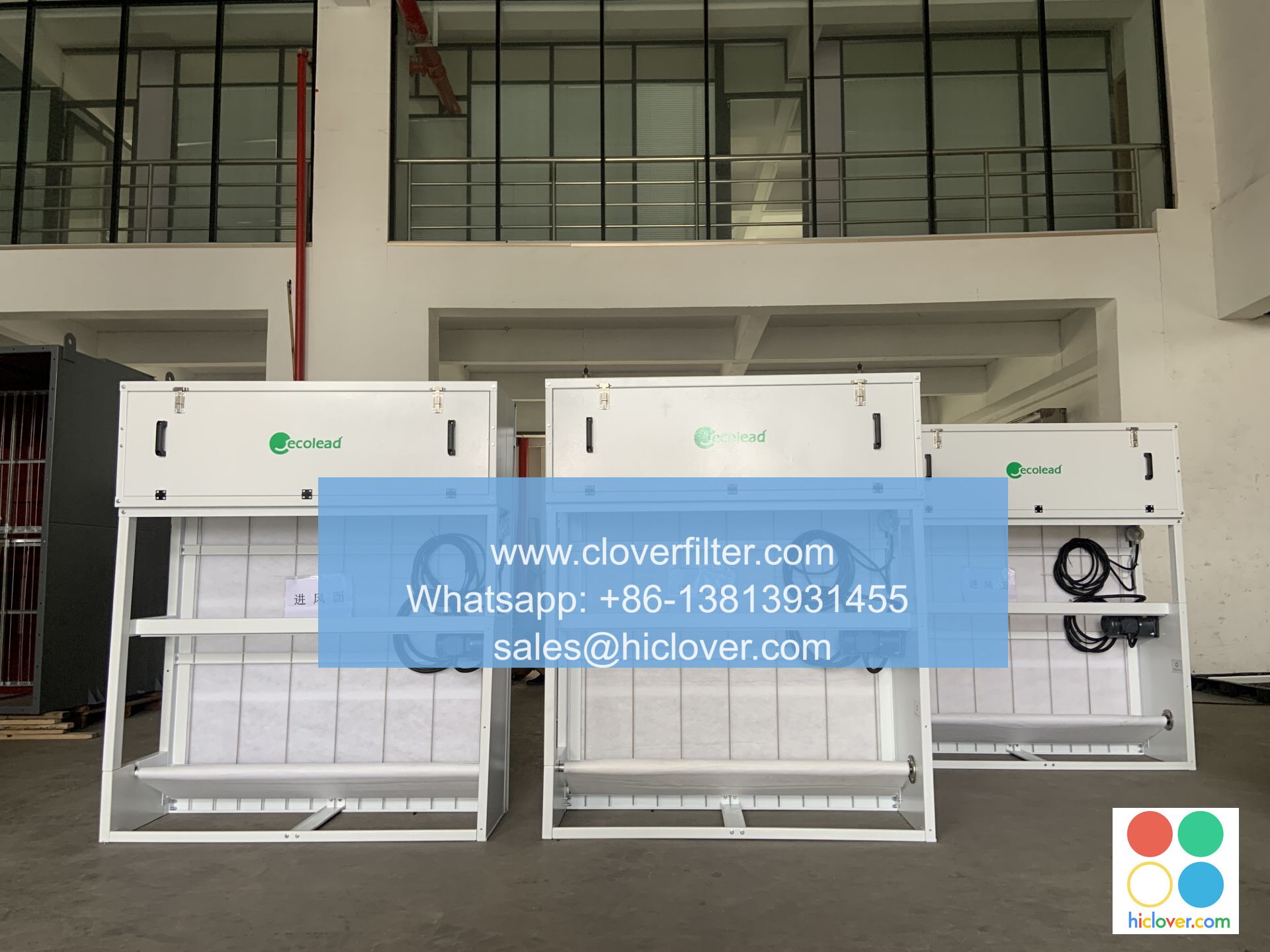
As the world becomes increasingly industrialized, the need for clean air and efficient ventilation systems has become a top priority in commercial development. One crucial component that plays a significant role in achieving this goal is the air filter contact. In this article, we will discuss the importance of air filter contacts in commercial development, highlighting various application areas and key benefits.
What are Air Filter Contacts?
Air filter contacts, also known as HEPA filter contacts or air purification contacts, are devices designed to capture and remove airborne pollutants, dust, and other contaminants from the air. These contacts are typically installed in HVAC systems (Heating, Ventilation, and Air Conditioning) and air purification systems to ensure the air quality is clean and safe for occupants.
Importance of Air Filter Contacts in Commercial Development
The importance of air filter contacts in commercial development cannot be overstated. Some of the key benefits include:
* Improved Indoor Air Quality (IAQ): Air filter contacts help remove airborne pollutants, allergens, and bacteria, creating a healthier environment for occupants.
* Increased Energy Efficiency: By reducing the amount of airborne contaminants, air filter contacts can help reduce the load on HVAC systems, resulting in lower energy consumption and costs.
* Extended Equipment Life: Air filter contacts help protect HVAC equipment and other machinery from damage caused by dust and debris, extending their lifespan and reducing maintenance costs.
* Compliance with Regulations: Air filter contacts can help commercial developments meet indoor air quality standards and regulations, such as those set by the Occupational Safety and Health Administration (OSHA) and the Environmental Protection Agency (EPA).
Application Areas
Air filter contacts have a wide range of applications in commercial development, including:
* Office Buildings: Air filter contacts are essential in office buildings to maintain a healthy and productive work environment.
* Hospitals and Healthcare Facilities: Air filter contacts play a critical role in hospitals and healthcare facilities, where infection control and patient safety are top priorities.
* Industrial Facilities: Air filter contacts are used in industrial facilities to remove airborne pollutants and contaminants, improving worker safety and equipment efficiency.
* Data Centers: Air filter contacts are used in data centers to protect sensitive electronic equipment from damage caused by dust and debris.

Conclusion
In conclusion, air filter contacts are a crucial component in commercial development, playing a vital role in maintaining indoor air quality, energy efficiency, and equipment longevity. With their wide range of applications, air filter contacts are an essential investment for any commercial development project. By prioritizing air filter contacts, developers can create healthier, more sustainable, and more productive environments for occupants, while also reducing costs and complying with regulations. As the demand for clean air and efficient ventilation systems continues to grow, the importance of air filter contacts in commercial development will only continue to increase.
It looks like you’re ready to start a conversation, but you haven’t given me a specific topic or question to work with. That’s perfectly okay! I can suggest some prompts to get us started. Would you like to:
- Explore a random topic I suggest?
- Discuss a specific subject you have in mind (e.g., science, history, technology, etc.)?
- Play a game (e.g., trivia, word games, etc.)?
- Create a story together, one paragraph at a time?
- Ask for advice on something that’s been on your mind?
Let me know which direction you’d like to take our conversation, or feel free to provide your own prompt!
