The Importance of Air Filter Converters in Reducing Exposure to Airborne Pathogens
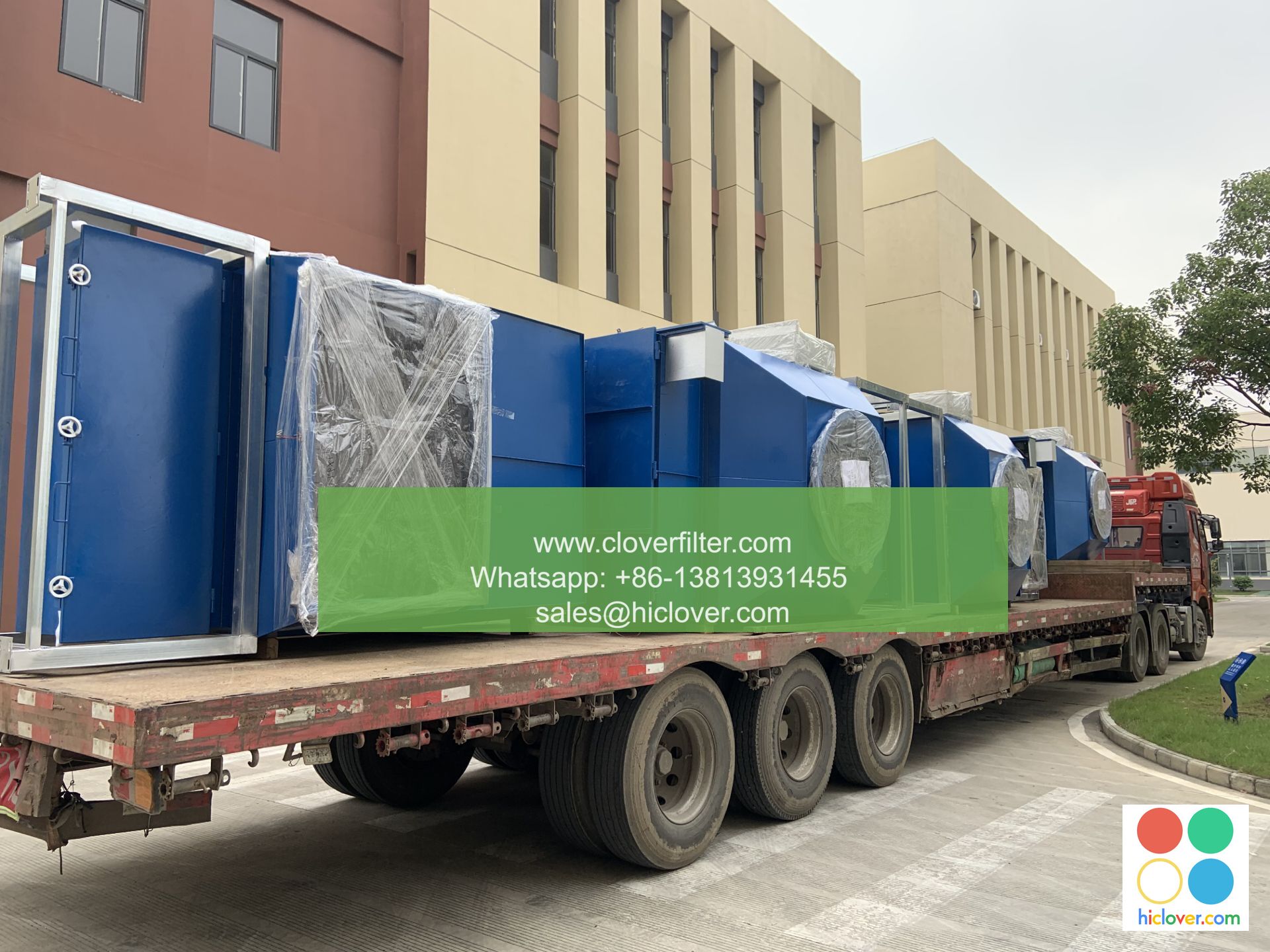
In today’s world, the threat from airborne pathogens such as bacteria, viruses, and allergens is a growing concern. With increasing indoor activities and the prevalence of respiratory diseases, the need for an effective solution to improve indoor air quality has never been more critical. This is where air filter converters play a vital role in minimizing health risks associated with airborne contaminants.
What are Air Filter Converters?

Air filter converters are specialized devices designed to enhance the efficiency of existing air filtration systems. By upgrading standard filters to more advanced filtering technologies, these converters significantly improve the removal of harmful airborne particles. This technology ensures a higher level of protection against pathogens that can circulate in homes, offices, schools, and healthcare facilities.
Why Air filter Converters Matter
One of the primary benefits of using air filter converters is their ability to reduce the exposure to airborne pathogens. By efficiently trapping viruses and bacteria, they contribute to better public health outcomes. Here are some reasons highlighting their importance:
- Increased Filtration Efficiency: Air filter converters upgrade existing systems to high-efficiency particulate air (HEPA) filters, which can capture 99.97% of particles as small as 0.3 microns.
- Cost-Effectiveness: Rather than investing in entirely new HVAC systems, air filter converters provide a cost-efficient alternative to improve air quality.
- Ease of Use: Most air filter converters can be easily installed into current air filtration systems, making it accessible for a wide range of users.

Application Areas of Air Filter Converters
The application of air filter converters spans multiple fields, making them necessary in various settings.
Healthcare Facilities
Hospitals and clinics are at the forefront of infection control. Utilizing air filter converters in these environments helps in reducing the spread of airborne diseases and improves the safety of patients and medical staff alike.
Residential Homes
As people spend more time indoors, enhancing indoor air quality becomes paramount. Air filter converters help reduce allergens and other pathogens, creating a healthier living space for families, especially those with respiratory issues.
Office Spaces
In corporate settings, air filter converters can help maintain a comfortable and healthy working environment, reducing the likelihood of illness among employees and thereby increasing productivity.
Educational Institutions
Schools benefit greatly from improved air quality by mitigating the spread of infectious diseases among students and staff. The implementation of air filter converters can ensure safer learning environments.
Conclusion: Investing in Public Health
The ongoing battle against airborne pathogens requires innovative and practical solutions. Air filter converters stand out as a pivotal technology in enhancing the safety of various environments. By implementing such solutions, we can significantly reduce the incidence of airborne diseases and contribute to the overall health and resilience of our communities.
Take Action Today!
Consider upgrading your air filtration systems with air filter converters. The investment is not just in technology; it’s an investment in health, safety, and well-being. Together, we can breathe easier.
It looks like you entered “Prompt.” Could you please provide more details or specify what type of prompt you’re looking for? Whether it’s writing inspiration, creative ideas, or something else, I’m here to help!
